Politics news and discussion on TalkFuse.
Democrats take control of the Senate after winning key midterm races
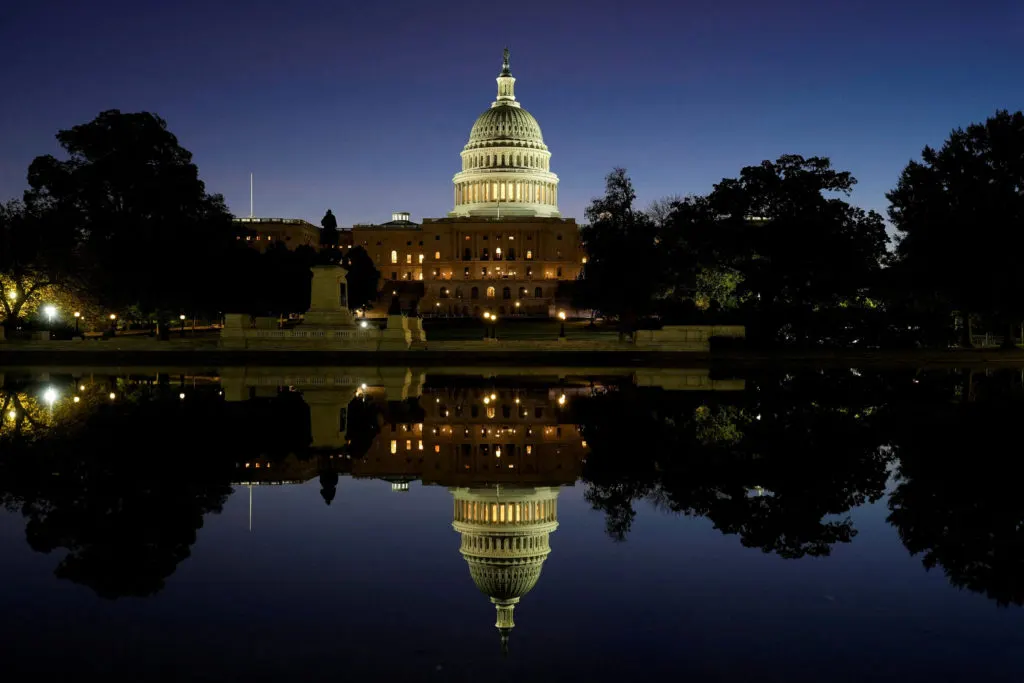
Democrats have retaken control of the US Senate in the midterm elections, setting up a new period of resistance to President Donald Trump’s agenda. The result reflects voter frustration with high prices, the war in Iran and concerns about corruption, and could limit Trump’s ability to advance his policies during his final two years in office.
Democrats won races in several conservative states, including Iowa, Kansas, Texas, South Carolina and Ohio, while Jon Ossoff held his Georgia seat. Republicans won special and open Senate races in Florida and Wyoming. The House outcome remained undecided: Democrats had flipped seven seats and needed a net gain of three for a majority; Trump said he would use his veto to block their agenda.
In short
- Democrats retake the Senate after a series of key victories.
- The result could constrain Trump’s agenda for his final two years.
- Control of the House remained undecided.
Steelman: both sides, in good faith
The strongest fair case each way — we don't pick a winner.
The case for
Democratic control of the Senate can be seen as voters using the midterms to check a president whose agenda they oppose, particularly amid concerns over prices, the Iran war and corruption. A Senate controlled by the opposition may scrutinise executive action more closely and give a wider range of voters’ concerns a voice in national policymaking.
The case against
A Senate controlled by the opposition can make it harder for an elected president to carry out the programme voters chose, slowing legislation and deepening political gridlock. Those who favour Trump’s agenda may argue that blocking it through institutional control weakens accountability and that voters should judge his policies at the next presidential election.
Explained simply
The US Congress has two chambers: the House of Representatives and the Senate. Senators serve six-year terms, with roughly a third of the seats contested every two years in elections held halfway through a president’s four-year term.
The Senate has a role in passing federal laws and approving senior government appointments and judges. Control depends on which party can command a majority, with the vice-president able to break a tie. Democrats and Republicans are the two main US political parties.
When the president’s party does not control both chambers of Congress, passing laws can become harder because each chamber can block or change proposals. The balance of power also affects oversight of the government and the confirmation of appointments.