World news and discussion on TalkFuse.
Democrats’ US election sweep brings the price of their promised social contract into focus
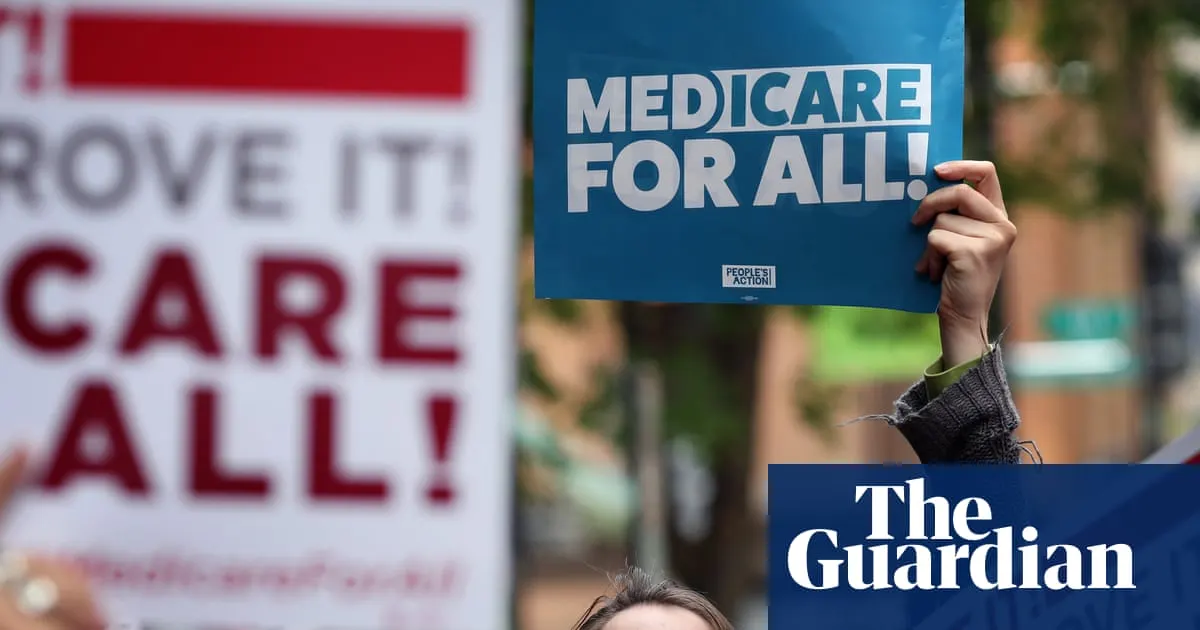
Democrats’ strong performance in last week’s US elections has renewed calls to rebuild the country’s social safety net, including restoring health insurance subsidies and reversing cuts to Medicaid and food assistance. The article argues that these ambitions now face a severe budget constraint, leaving future Democratic leaders with difficult choices over how to fund them.
The federal deficit is about 6.2% of GDP, while national debt has reached $40tn, or more than 120% of GDP; interest payments cost roughly $1tn a year. Estimates put the cost of restoring health subsidies at $460bn from 2030 to 2039 and reversing Medicaid and food stamp cuts at $2.2tn over the same period. Social Security’s trust fund is projected to run short in under six years, which would trigger a 22% benefit cut under current law, while President Trump’s tax law could add $4.1tn to $5.5tn to debt over a decade.
In short
- Democrats face a steep bill to restore social programmes.
- US debt has reached $40tn, with interest costing about $1tn annually.
- Social Security faces an automatic 22% benefit cut if its fund runs short.
Steelman: both sides, in good faith
The strongest fair case each way — we don't pick a winner.
The case for
Democrats could argue that restoring health insurance subsidies and support for Medicaid and food assistance would protect people from steep costs and hardship, and strengthen the social contract voters have endorsed. They might also contend that the projected price should be weighed against the consequences of leaving those needs unmet, and that the tax law’s potential addition to debt makes revenue choices part of the debate.
The case against
Critics could argue that adding trillions in commitments when debt exceeds 120% of GDP and interest costs about $1tn a year risks burdening future taxpayers and limiting room to respond to crises. With Social Security also facing a funding shortfall, they may say Democrats should identify durable funding or prioritise existing obligations before expanding support.
Explained simply
The US social safety net includes public programmes that help people afford healthcare, food and retirement. Medicaid provides health cover for people with low incomes, food assistance helps households buy groceries, and Social Security pays benefits to retired people and some others.
Democrats have called for restoring health insurance subsidies and reversing cuts to Medicaid and food assistance. These programmes are funded through the federal budget, alongside many other public services and benefits.
The government is already spending more than it collects in tax, and the national debt brings large annual interest costs. Social Security also faces a funding shortfall under current rules, so proposals to expand or restore support raise questions about how to pay for it and how to protect future benefits.
Americas Elections Politics World