Politics news and discussion on TalkFuse.
Democrats usher in a new era with their resounding sweep of the House and the Senate
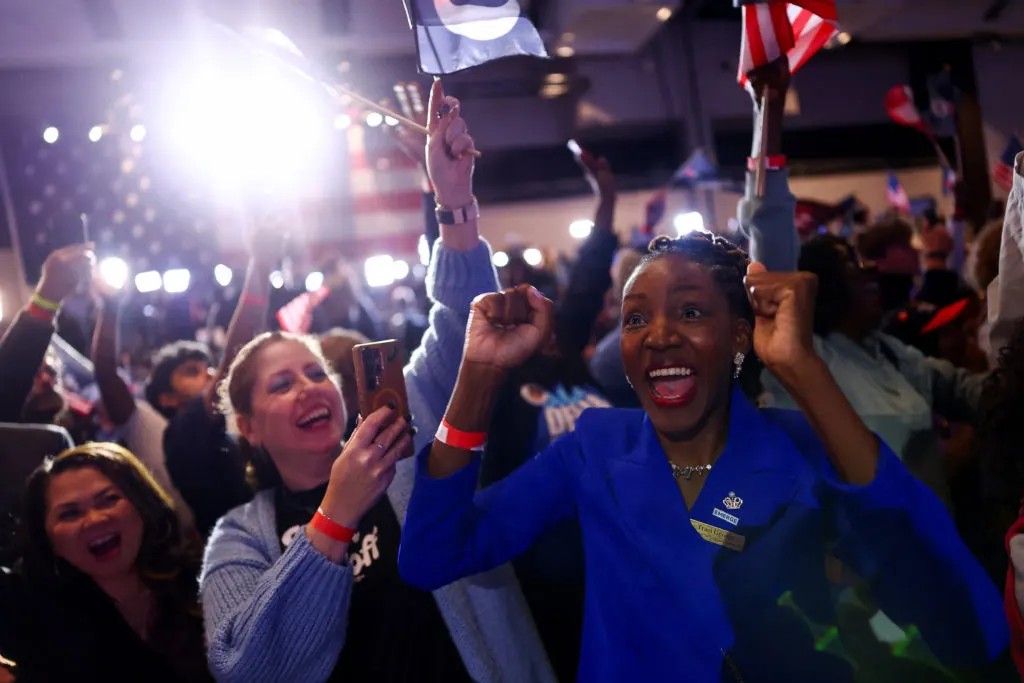
Democrats have won sweeping majorities in both chambers of Congress, creating divided government and a chance to challenge President Donald Trump’s agenda during his final two years in office. Their victory reflects voter frustration over living costs and concern about the country’s direction, while raising expectations that Democrats will deliver change.
Democrats hold at least 54 of the Senate’s 100 seats, and their House majority is well above the 218 needed to control the 435-member chamber. House leaders say their first 100 days will focus on lowering costs for fuel, food and other goods, restoring healthcare funding and investigating the administration; impeachment remains an option. Trump has said he may work with Democrats but warned he could veto their plans, while Republican House Speaker Mike Johnson is reportedly not seeking another term as party leader.
In short
- Democrats won decisive majorities in the House and Senate.
- Their early agenda centres on living costs and healthcare.
- Trump has warned of gridlock and threatened vetoes.
Steelman: both sides, in good faith
The strongest fair case each way — we don't pick a winner.
The case for
Democrats can argue that the results give them a mandate to address voters’ concerns about living costs and the country’s direction, and that control of both chambers lets them pursue cost relief and restore healthcare funding. Investigating the administration and keeping impeachment available could also be defended as oversight and accountability, while a willingness to work with the president leaves room for compromise.
The case against
Critics can argue that winning majorities does not settle how best to tackle living costs or amount to public endorsement of every proposed policy, so Democrats should avoid treating the result as a blank cheque. They may also contend that investigations or impeachment could deepen political conflict and divert attention from practical legislation, while presidential vetoes make cooperation and achievable priorities especially important.