Dems clash over AIPAC money, ‘ogre’ attack and electability during crucial Senate debate
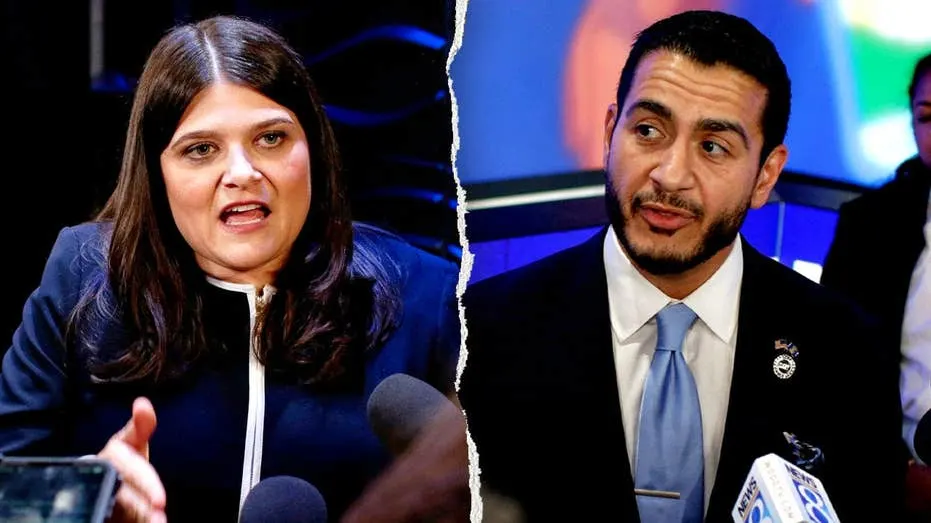
Democratic Senate candidates in Michigan clashed sharply during a debate on Monday night, exposing deep tensions between the party's progressive and establishment wings just a week before their 4 August primary. Rep. Haley Stevens and Abdul El-Sayed traded accusations over Israel policy, campaign finance and past remarks, in an encounter that underscored broader divisions within the Democratic Party as it seeks to hold the seat and fend off Republican challenger, former Rep. Mike Rogers, in November.
El-Sayed accused Stevens of being influenced by around $46 million in AIPAC-linked spending on her positions regarding Israel, while Stevens pressed him on his tax returns and outside income. El-Sayed also defended controversial past comments, including a remark about Senator John Fetterman being the target of an "ogre on a pike" jibe, and separately faced accusations from Rep. Hillary Scholten of making sexist remarks about female Democrats such as Stevens and Governor Gretchen Whitmer. The debate reflected wider unease within the Democratic Party about its identity and direction ahead of the midterms.
In short
- Michigan Democrats Stevens and El-Sayed clashed bitterly in Senate primary debate.
- El-Sayed accused Stevens of being swayed by $46m in AIPAC spending.
- El-Sayed faced sexism accusations and defended his "ogre" remark about Fetterman.
Steelman: both sides, in good faith
The strongest fair case each way — we don't pick a winner.
The case for
Progressives contend that large donations from pro-Israel lobbying groups like AIPAC distort policy-making towards donor preferences rather than grassroots values. They argue the Democratic base increasingly favours a more critical stance on Israeli policy, and that candidates should represent these grassroots values rather than establishment financial interests.
The case against
Establishment Democrats argue that supporting Israel is a legitimate policy position and that pro-Israel stances shouldn't invite corruption allegations. They emphasise that winning general elections requires maintaining broad coalitions and that voters will assess candidates on character and judgment, including their past public statements.
Explained simply
Michigan Democrats are selecting their Senate candidate at a primary election on 4 August. The winner will face Republican former representative Mike Rogers in November's general election, a contest Democrats view as essential to defending the seat.
Representatives Haley Stevens and Abdul El-Sayed are the main candidates competing for the party's nomination. During Monday's debate, they clashed over Israel policy, campaign finance and controversial past statements. Stevens highlighted El-Sayed's tax records and outside income, whilst El-Sayed challenged Stevens's positions on Israel, citing the substantial spending by groups linked to the pro-Israel lobbying organisation AIPAC on her behalf.
The confrontation reflects deeper divisions within the Democratic Party between its progressive and establishment wings over policy priorities and party identity. These tensions have become increasingly visible as the party debates positions ranging from foreign policy to economic matters.