Dems hand GOP fresh midterm weapon by opposing widely used voter ID
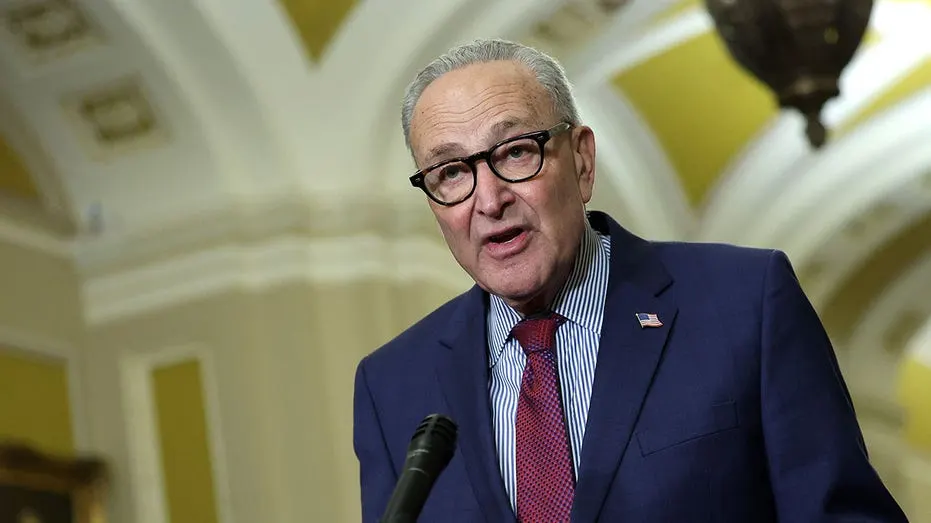
Senate Democrats rejected a Republican-backed federal voter ID measure, giving Republicans a campaign issue ahead of the midterms. Republicans say Democrats are blocking a popular policy to deny the president and GOP a political win, while Democrats have argued they object to the bill’s approach and potential effects on voters.
Voter ID is already required in 36 states: 23 require photo identification and 13 accept other forms, such as a bank statement. Nine of those states have Democratic senators; Virginia Senator Tim Kaine said his state’s voter ID law is popular. Republicans claim the federal measure would prevent fraud, while Democrats have warned it could disenfranchise Black and Brown voters.
- Senate Democrats rejected a federal voter ID proposal.
- Voter ID is required in 36 states.
- Republicans are making the issue part of their midterm campaign.
New here? Start with this
Voter ID laws require people to present identification before voting. Most of the United States already has some form of this requirement, with 36 states currently mandating voter ID at the ballot box. These vary in strictness: 23 states require a photo identification whilst 13 accept other documents such as bank statements.
Republicans have proposed extending this requirement at the federal level, applying a uniform voter ID policy across the entire country. Republicans argue this is necessary to prevent fraud and point out the policy's popularity in states where it already exists. Democrats have raised concerns that a federal approach could prevent eligible voters, particularly those from Black and Hispanic communities, from being able to vote.
This disagreement reflects a partisan divide. Republicans say that Democrats are opposing a widely supported measure, whilst Democrats argue they have concerns about how the federal measure would be implemented and its impact on voter participation. The underlying dispute is about how to balance election security with voter access.
Both sides, in good faith
The strongest fair case each way — we don't pick a winner.
The case for
Proponents of the federal voter ID measure argue it represents mainstream policy already implemented across 36 states, including several with Democratic leadership, demonstrating public acceptance of the approach. They contend that voter ID requirements are a straightforward safeguard against electoral fraud and that establishing a federal standard would ensure consistent election security across all states whilst building public confidence in results. The fact that even Democratic Senator Tim Kaine acknowledged his state's voter ID law is popular suggests this position reflects reasonable mainstream sentiment rather than partisan overreach.
The case against
Democrats' opposition targets this bill's specific approach rather than voter ID requirements in principle, which they accept in states they control. Their concern is that the federal measure lacks sufficient protections—such as automatic registration or guaranteed free ID access—to prevent disenfranchising Black and Brown voters who statistically face greater barriers obtaining photo identification. They argue the implementation matters as much as the principle: a federal mandate without robust safeguards risks tightening election access precisely for already-marginalised communities, even if voter ID works acceptably when paired with such protections elsewhere.