Technology news and discussion on TalkFuse.
Dems kill Republican’s chances of lowering Americans’ electricity bills in key election flashpoint
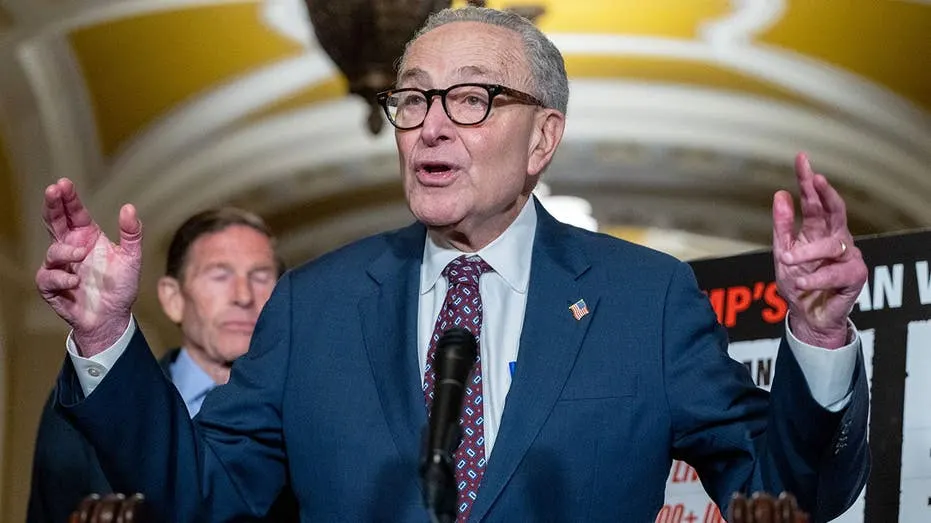
Senate Democrats, led by Chuck Schumer, blocked the Republican "Ratepayer Protection Act" on Wednesday, despite it passing the House with bipartisan support. The bill aimed to require artificial intelligence companies and data centres to bear the costs of rising electricity rates—a major concern for voters in the midterm elections. Democrats argued the legislation was a hollow political stunt designed to benefit vulnerable Ohio Republican Senator Jon Husted rather than substantive policy. Schumer dismissed it as "a fraud" lacking real enforcement mechanisms.
Although the blockade held, four Democratic senators (Amy Klobuchar, Jon Ossoff, Raphael Warnock, and Maggie Hassan) broke ranks to support the bill. A July Fox News poll showed 70% of voters across both parties oppose new data centre construction, making this a bipartisan voter concern. Republicans contended the House passage—with only three Democratic votes against it—demonstrated genuine bipartisan support, whilst Democrats maintained it lacked substantive protections and was merely designed to bolster Husted's political position ahead of an election that could determine Senate control.
In short
- Democratic Senate blocks bipartisan data centre electricity cost bill
- 70% of voters oppose new data centres; a key midterm election issue
- Republicans claim legitimate policy; Democrats call it a political stunt for vulnerable Ohio senator
Steelman: both sides, in good faith
The strongest fair case each way — we don't pick a winner.
The case for
The Ratepayer Protection Act addresses a genuine concern affecting voters across both parties, as evidenced by the House's bipartisan passage and the 70% public opposition to new data centre construction. Supporters argue that even imperfect legislation represents progress on an issue directly affecting people's household bills, and that blocking any solution guarantees the problem remains unaddressed. The fact that four Democratic senators broke ranks suggests the bill has sufficient merit to warrant serious negotiation rather than outright dismissal.
The case against
Democrats contend the bill lacks meaningful enforcement mechanisms to actually protect ratepayers, making it ineffectual regardless of intentions. From this perspective, passing inadequate legislation that merely gestures at solving the problem without substantive safeguards serves neither voters nor sound policy—and may wrongly convince the public that action has been taken when none has. Their concern is that supporting weak measures prevents stronger alternatives and allows politicians to claim credit for addressing an issue without truly solving it.
Explained simply
Data centres that power artificial intelligence technology consume vast quantities of electricity, and their rapid expansion is straining the nation's power grid and driving up energy costs for consumers and businesses. This has become a major public concern, with polling showing that approximately seven in ten Americans oppose new data centre construction.
The Ratepayer Protection Act is legislation designed to require artificial intelligence companies and data centre operators to pay for rising electricity costs rather than passing them to consumers. The bill secured bipartisan support when it passed the House of Representatives but was blocked in the Senate by Democratic leaders, though four Democratic senators broke ranks to vote for it.
This dispute is occurring during an election year when control of the Senate is at stake. Democrats argue the bill lacks real enforcement mechanisms and is primarily designed to help Ohio Republican Senator Jon Husted politically. Republicans counter that the bill's bipartisan House support demonstrates it represents genuine policy aimed at protecting consumers from rising costs.
AI Elections Government Politics Technology World