World news and discussion on TalkFuse.
Deported child predator who illegally reentered US sentenced to 20 years in federal prison
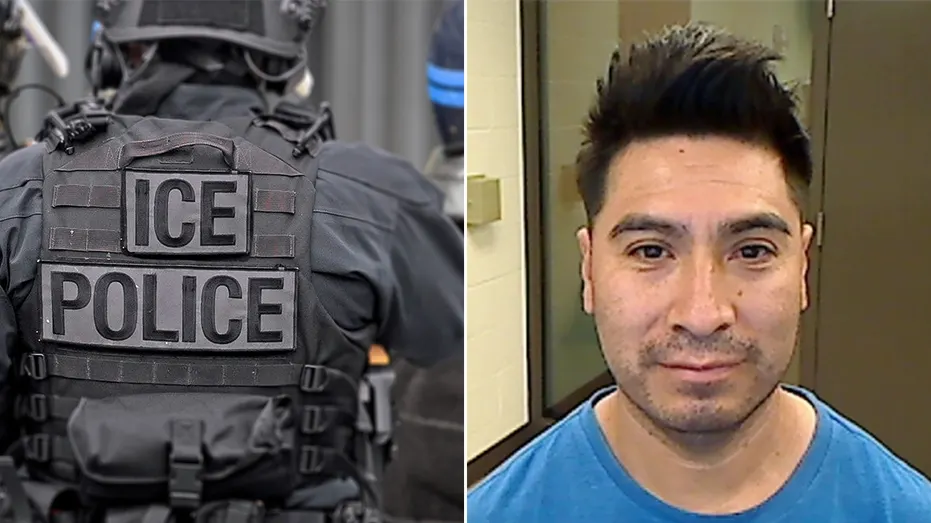
An illegal immigrant who had been deported from the United States and convicted of child sex offences has been sentenced to 20 years in federal prison after illegally re-entering the country. The case is the latest in a string of prosecutions highlighted by US authorities involving deported migrants who returned unlawfully and went on to commit serious crimes, fuelling ongoing debate over immigration enforcement and interagency cooperation with agencies such as ICE.
The defendant, identified as Erik Santana Garcia, had previously been removed from the US before re-entering illegally and being convicted of crimes against a child. A federal court handed down the 20-year sentence, with officials citing the case as an example of the risks posed when deported offenders return to the country undetected. The report was published alongside coverage of several other cases involving illegal immigrants accused of serious crimes, reflecting a broader focus on immigration-related law enforcement issues.
In short
- Deported migrant convicted of child sex crimes gets 20-year sentence.
- He had illegally re-entered the US after deportation.
- Case cited amid wider debate on immigration enforcement failures.
Steelman: both sides, in good faith
The strongest fair case each way — we don't pick a winner.
The case for
This case demonstrates why immigration enforcement matters. A person previously deported for serious crimes against children managed to return undetected and reoffended, causing real harm. The case illustrates concrete risks from inadequate border security and interagency coordination, providing strong justification for strengthening enforcement to prevent deported offenders from re-entering and protecting vulnerable populations.
The case against
Whilst this case is serious, using it as justification for immigration policy is problematic because it relies on anecdotal rather than systematic evidence. Statistical research shows immigrants, both documented and undocumented, commit crimes at lower rates than native-born citizens. Selective highlighting of such cases distorts public perception of immigration risks. Evidence-based policy requires focusing on aggregate data rather than emotionally compelling individual cases.
Explained simply
The United States can deport people who do not have permission to remain in the country, and federal law makes returning after deportation without approval a crime. Immigration and Customs Enforcement (ICE) is the federal agency responsible for carrying out many deportations and investigating some immigration offences.
This case involves Erik Santana Garcia, who had previously been deported and later returned to the US unlawfully. His case also touches on how immigration enforcement and criminal investigations interact, and on wider debate about how authorities identify people who return after deportation.