Deported migrant who ’60 Minutes’ painted as sympathetic family man claimed he was gay on asylum application
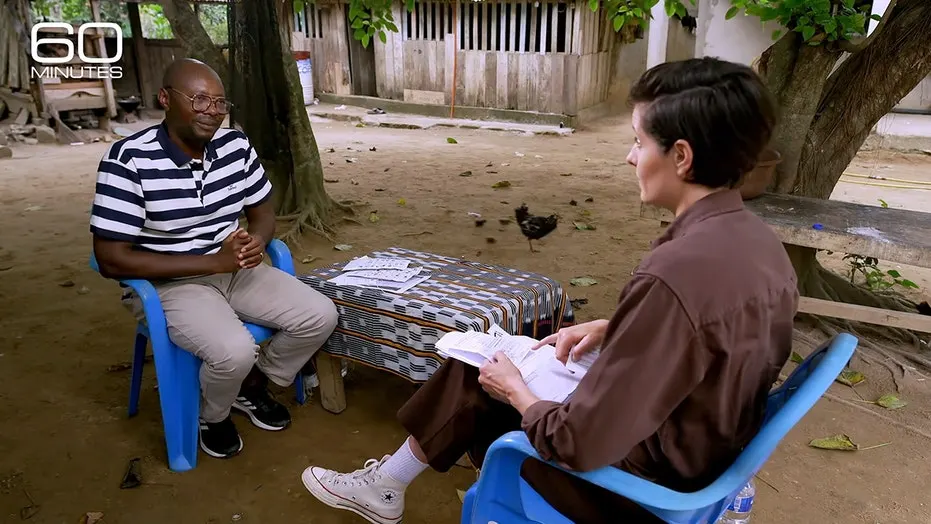
A “60 Minutes” segment presented deported Malian national Moussa Diawara as a family man separated from his wife and children. ICE and a senior Department of Homeland Security lawyer challenged that portrayal, citing his 2009 asylum application, in which he said he was gay and feared persecution in Mali. The discrepancy raises questions about how the broadcast handled details relevant to his asylum claim.
Diawara arrived in the United States in 2001, overstayed a tourist visa and was deported after living there for 25 years without a criminal record. He was sent to Ghana, which later returned him to Mali; he has since fled to an undisclosed African country. “60 Minutes” cited a judge’s concern that he could face persecution, including over converting to Christianity, while CBS said the segment noted religious fears and DHS’s doubts about his claim’s credibility. It is unclear whether CBS knew about the application’s statement regarding his sexual orientation.
In short
- Diawara’s asylum application said he was gay and feared persecution in Mali.
- ICE challenged how “60 Minutes” portrayed his case.
- CBS cited religious persecution concerns and DHS’s credibility doubts.
Steelman: both sides, in good faith
The strongest fair case each way — we don't pick a winner.
The case for
The broadcast may have sought to show the human impact of deportation and the judge’s concern that Diawara could face persecution, while summarising a complex asylum history in limited time. If CBS did not know about the 2009 application, the omission may reflect incomplete information rather than a deliberate attempt to mislead.
The case against
A report presenting Diawara chiefly as a husband and father may leave viewers with an incomplete picture if it omits his earlier claim that he was gay and feared persecution on that basis. Given that this detail could bear on his asylum history and the credibility dispute, critics can reasonably argue that CBS should have disclosed it or explained whether it had verified the application.
Explained simply
Moussa Diawara is a Malian national who came to the United States in 2001 on a tourist visa and stayed after it expired. US immigration law allows authorities to detain and deport people who do not have permission to remain, even if they have no criminal record.
People seeking asylum must show that they fear persecution in their home country for a recognised reason, such as their religion or sexual orientation. Their account and the evidence are considered in an immigration case, and officials may dispute whether a claim is credible.
Diawara’s case has drawn attention to how asylum claims are described in news coverage and what details are included. His application referred to fear of persecution because he was gay, while the television segment portrayed him as a husband and father and also discussed religious fears.