World news and discussion on TalkFuse.
‘Designed To Inflict a Maximal Burden’: Courts Are Really Unhappy With CBP Seizing Americans’ Phones
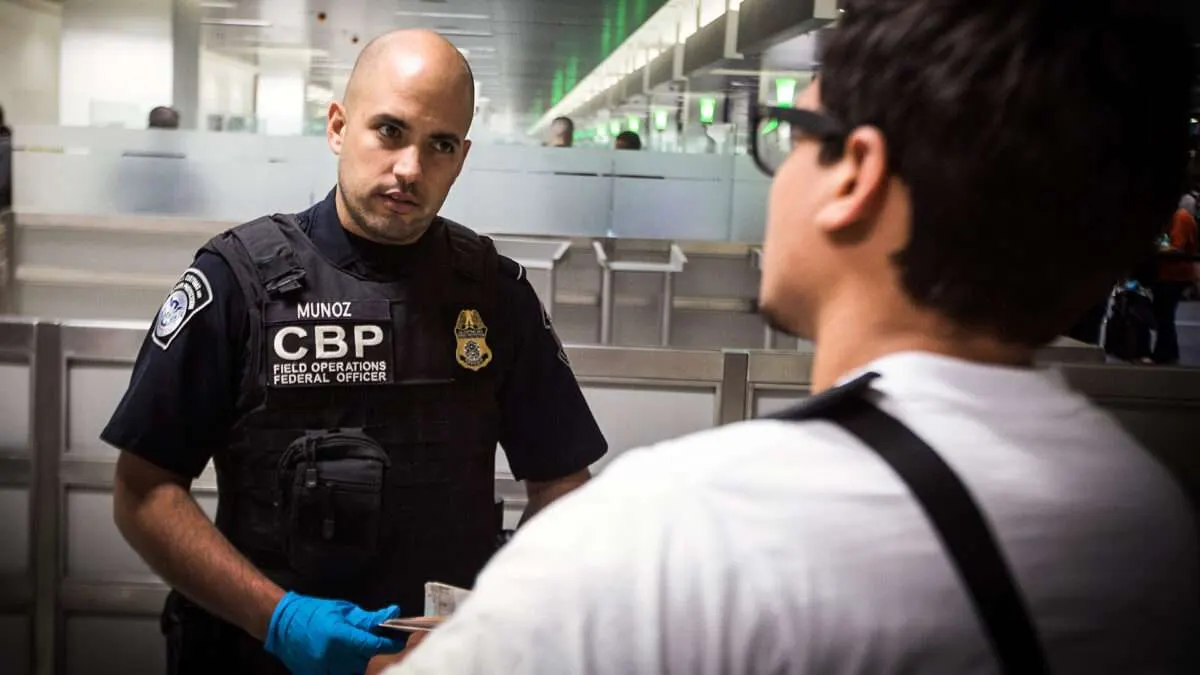
Two US judges have challenged Customs and Border Protection’s seizure and search of American travellers’ electronic devices, adding to legal pressure on the agency’s broad border-search powers. Their rulings raise concerns about possible retaliation and whether searches were connected to legitimate border enforcement.
In one case, Judge Allison Burroughs barred the government from decrypting lawyer Andrew Lattarulo’s phone data while his lawsuit proceeds, after finding the search may have been retaliation for his public advocacy on immigration. CBP said the seizure related to an employment investigation, though a law firm partner responsible for employment compliance was not searched. In a separate case, Judge Leonie Brinkema ordered CBP to explain what it did to nurse Muhammad Numaan Imam’s family’s electronics, which the agency returned without explaining why they had been seized. The article also notes that the Supreme Court may consider a challenge to electronic searches at the border.
In short
- Two judges questioned CBP searches of travellers’ devices.
- A lawyer’s phone data cannot be decrypted during his case.
- A nurse is still seeking answers about his family’s seized electronics.
Steelman: both sides, in good faith
The strongest fair case each way — we don't pick a winner.
The case for
Broad border-search powers can help CBP enforce customs and immigration laws, investigate suspected employment violations and identify evidence that may be relevant to border security. Supporters may argue that examining electronic devices is sometimes necessary because they can contain information unavailable from a physical inspection, and that courts should allow legitimate investigations to proceed while scrutinising specific claims of misuse.
The case against
Seizing and searching travellers’ phones can expose large amounts of private, sensitive information, so the power should be limited to searches with a clear legal and enforcement basis. The judges’ concerns suggest that opaque or selective seizures risk chilling lawful advocacy and leaving travellers unable to understand or challenge what happened; requiring explanations and pausing access to disputed data can protect rights while a case is heard.
Explained simply
US border officers can search travellers’ belongings when they enter the country, including phones and other electronic devices. These searches can expose private messages, photographs and work information, and courts have been asked to consider how far the government’s powers extend.
Customs and Border Protection (CBP) is the federal agency that handles border checks. Andrew Lattarulo, a lawyer who has spoken publicly about immigration, and Muhammad Numaan Imam, a nurse, are among people who have challenged the seizure of their devices; their cases raise questions about when such searches are justified and what happens to the information gathered.
The issue matters to travellers, lawyers and others whose devices hold sensitive material. The Supreme Court may consider a challenge to electronic searches at the border, which could affect how those searches are assessed in future.