Desmond targeted by Celtic fan protest at Alfred Dunhill
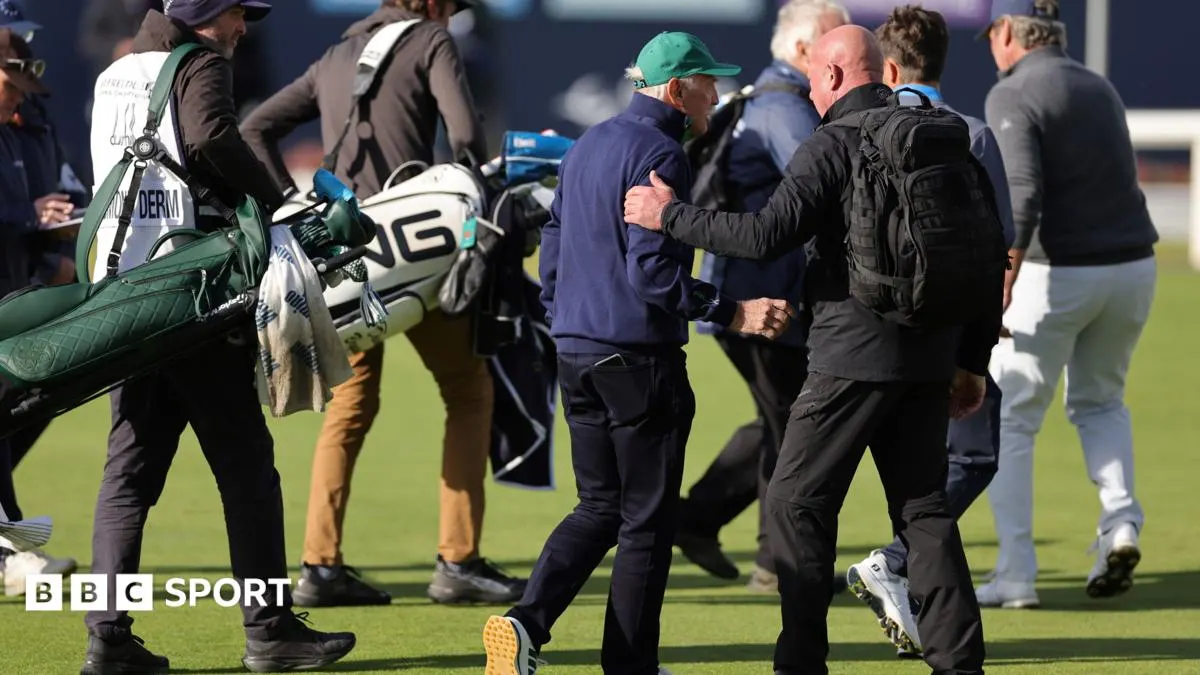
Celtic’s largest individual shareholder, Dermot Desmond, was targeted by a fan protest during the Alfred Dunhill Links golf tournament in St Andrews. The incident brings renewed attention to supporters’ criticism of his influence at the club and their calls for greater accountability.
Tennis balls bearing crossed-out images of Desmond’s face were thrown on to the green at the 15th hole, and security escorted him from the course. The Celtic Fans Collective said the protest was intended to challenge what it described as Desmond’s ability to run the club without accountability. Desmond has faced criticism over Celtic’s progress in Europe and transfer activity, and has publicly defended club figures while condemning some supporters’ conduct.
- Desmond was escorted from the course after a fan protest.
- Tennis balls with his crossed-out image were thrown on to a green.
- The protest reflects ongoing criticism of his influence at Celtic.
New here? Start with this
Celtic is a Glasgow football club with a large support in Scotland and beyond. Dermot Desmond, an Irish businessman, is the club’s largest individual shareholder, giving him a significant financial stake and influence, though the club is run through its board and executives.
Some supporters have questioned the club’s European results and transfer decisions, and want greater accountability from those in charge. Desmond has defended club figures and criticised some supporters’ behaviour, leaving tensions over the club’s direction and how its leadership should answer to fans.
Both sides, in good faith
The strongest fair case each way — we don't pick a winner.
The case for
Supporters can argue that Desmond’s influence as Celtic’s largest individual shareholder gives him substantial responsibility for the club’s direction, including its European progress and transfer strategy. A visible protest can draw attention to concerns they feel have not been adequately answered and press for greater accountability, provided it remains peaceful and does not endanger others.
The case against
Those who oppose the protest can argue that criticism of the club’s leadership should be pursued through constructive, proportionate channels, rather than disrupting a sporting event or targeting an individual in public. They may also contend that Desmond’s role and decisions should be judged against the club’s governance and results, while recognising that shareholder influence does not make him solely responsible for every outcome.