World news and discussion on TalkFuse.
Lammy calls for shared sovereignty and Labour manifesto pledge to rejoin EU
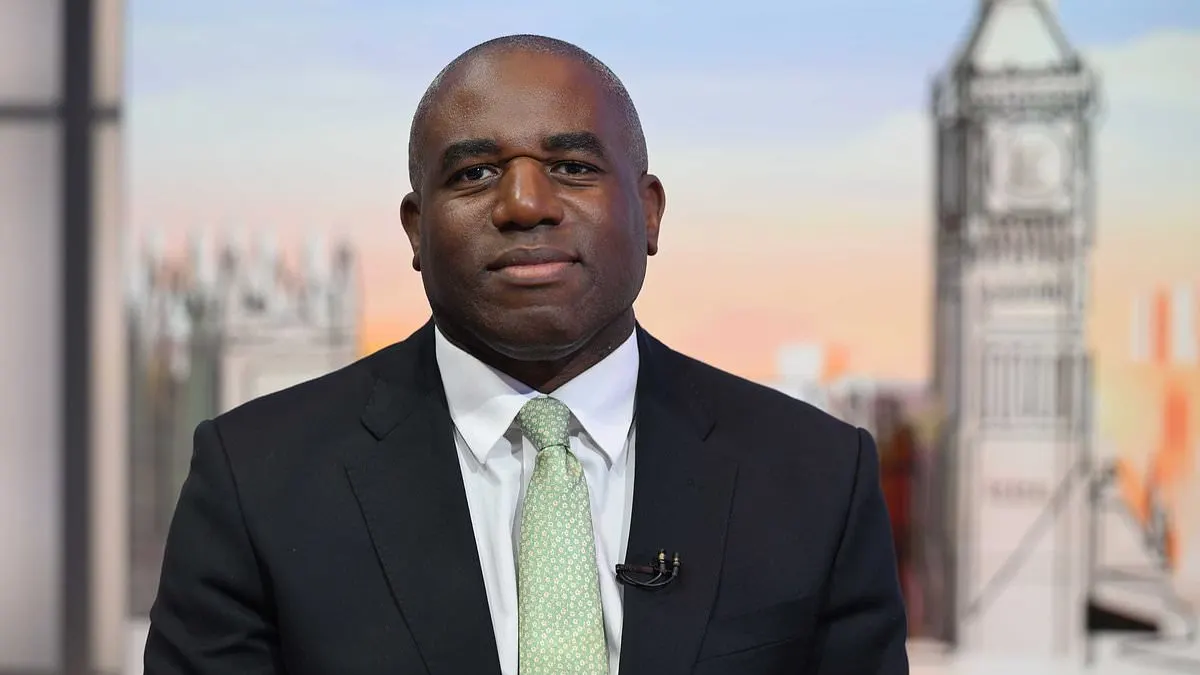
David Lammy argued that the UK should pool sovereignty with other countries, saying it has little practical value on its own when confronting global powers or shaping issues such as artificial intelligence. His remarks drew criticism from political opponents, who contrasted them with his support for Palestinian statehood and the transfer of sovereignty over the Chagos Islands to Mauritius.
Lammy also urged Labour to commit to rejoining the European Union in its next election manifesto, with formal negotiations followed by a public vote on an agreed deal. He said the party should drop its current red lines against returning to the single market, customs union and freedom of movement, and suggested Andy Burnham was well placed to advance the proposal. Lammy acknowledged that a future membership deal could involve a different UK contribution, as the rebate negotiated in the 1980s might not be restored.
In short
- Lammy says UK sovereignty is stronger when pooled with others.
- He wants Labour to pledge to rejoin the EU.
- Critics point to his contrasting positions on sovereignty.
Steelman: both sides, in good faith
The strongest fair case each way — we don't pick a winner.
The case for
Supporters could argue that pooling sovereignty gives the UK more practical influence over challenges that cross borders, from powerful states to artificial intelligence, while shared rules can protect common interests. They may also see a manifesto pledge to negotiate EU membership terms and put an agreed deal to a public vote as an honest way to let voters weigh the benefits of closer integration against its costs.
The case against
Critics could argue that national sovereignty gives voters clearer control over laws, borders and public spending, and that pooling authority can make decisions less directly accountable in the UK. They may also contend that rejoining the EU, especially without red lines on the single market, customs union or free movement, could impose substantial economic and political costs; a referendum would not remove the uncertainty or difficulty of securing acceptable terms.
Explained simply
The UK left the European Union in 2020, ending its membership of the bloc’s shared rules and institutions. The single market allows goods, services, money and people to move across member countries with fewer barriers; the customs union sets common rules on trade with countries outside it.
Sovereignty means a country’s authority to make its own decisions. Countries can also agree to share some decision-making through joint institutions, as EU members do. The debate is over how much influence the UK gains by acting alone or by working with other countries on matters that cross borders.
Labour’s current approach rules out returning to the single market, customs union and free movement of people. A future return to EU membership would involve negotiations over the terms, including the UK’s financial contribution; the UK previously had a rebate that reduced its payments.
Read the full article at the source →
Originally published by Daily Mail as “Despite pushing for Palestinian statehood and Chagos giveaway, David Lammy claims sovereignty ‘means nothing’ as he pushes Burnham towards full Brexit betrayal”.