Health news and discussion on TalkFuse.
Detransitioner takes malpractice fight to appeals court after North Carolina law change
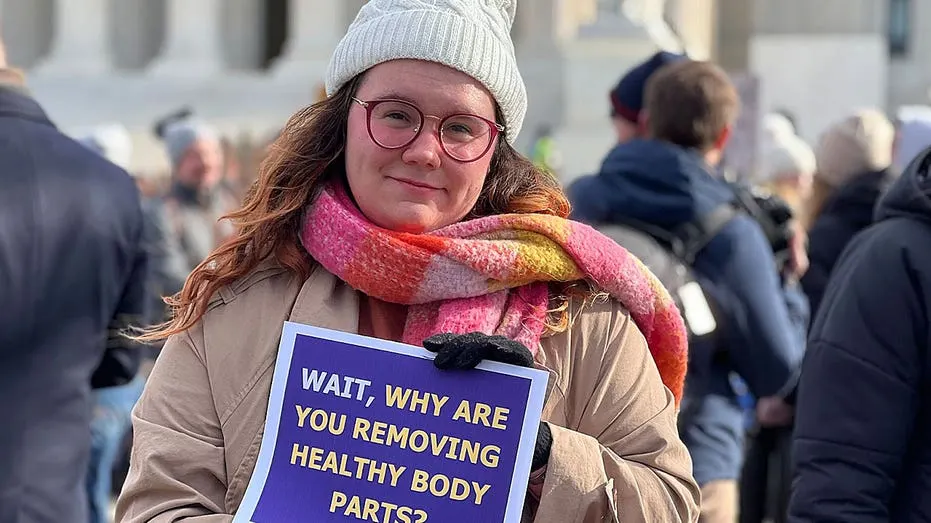
A detransitioner, Prisha Mosley, is taking her malpractice lawsuit against doctors who she says counselled her towards a double mastectomy and hormone therapy to North Carolina's Court of Appeals, after a change in state law revived her ability to pursue the case. Mosley, now 28, was prescribed hormones at 17 and underwent the mastectomy at 18, and later sued providers for fraud and malpractice, alleging she was misled about the treatment and its consequences. The case has drawn attention as part of a wider legal and political debate in the US over gender-affirming care for young people and the liability of medical providers.
Mosley's lawsuit was initially dismissed by a trial court on statute-of-limitations grounds, but North Carolina passed a law in 2025, known as HB 808, extending the limitation period for malpractice claims involving gender transitions, including cases already before the courts; the bill became law after legislators overrode a veto by Governor Josh Stein. Despite this change, a trial judge dismissed her case again with prejudice in August 2025, even though it had previously been found to have possible merit on the fraud claim, prompting her lawyers to appeal. The North Carolina Court of Appeals is due to hear oral arguments on 29 September, with Mosley arguing that doctors misled her into believing she could change sex and would need to do so to be well.
In short
- Detransitioner Prisha Mosley appeals dismissed malpractice case to NC Court of Appeals.
- New 2025 state law extended time limits for such gender-related claims.
- Court of Appeals to hear oral arguments on 29 September.
Steelman: both sides, in good faith
The strongest fair case each way — we don't pick a winner.
The case for
Supporters of Mosley’s appeal argue that patients who say they were misled about serious, lasting treatment should have a fair chance to have their claims heard, especially when they were minors at the time. They may also see the law’s extended filing period as a way to ensure alleged malpractice is examined on its merits rather than barred before the facts are tested.
The case against
Those opposing the appeal may argue that extending malpractice deadlines, especially for cases already in court, weakens legal certainty and can make it harder for providers to defend decisions made years earlier. They may also stress that treatment decisions should be judged against the medical knowledge and standards at the time, and that liability rules should not be changed in response to a politically charged category of care.
Explained simply
In the US, medical treatment for gender dysphoria can include hormones or surgery intended to help someone live in line with their gender identity. The care a young person receives may involve clinicians assessing their needs and discussing possible effects, risks and alternatives with them and their family.
Prisha Mosley says doctors advised her to take hormones and have a double mastectomy when she was a teenager, and that they misled her about the treatment and its consequences. She later sued the medical providers, alleging malpractice and fraud; the providers’ responses are not detailed in the report.
The case sits within a wider US debate about medical care for young people and when providers can be held legally responsible for it. North Carolina’s HB 808 changed the time limit for some malpractice claims involving gender transitions, including cases already in court, making the law’s effect on Mosley’s claim part of the legal dispute.