Culture news and discussion on TalkFuse.
Dev at id Software says Microsoft ‘burned a lot of bridges’ in the industry: ‘They fundamentally don’t understand art, they don’t understand games’
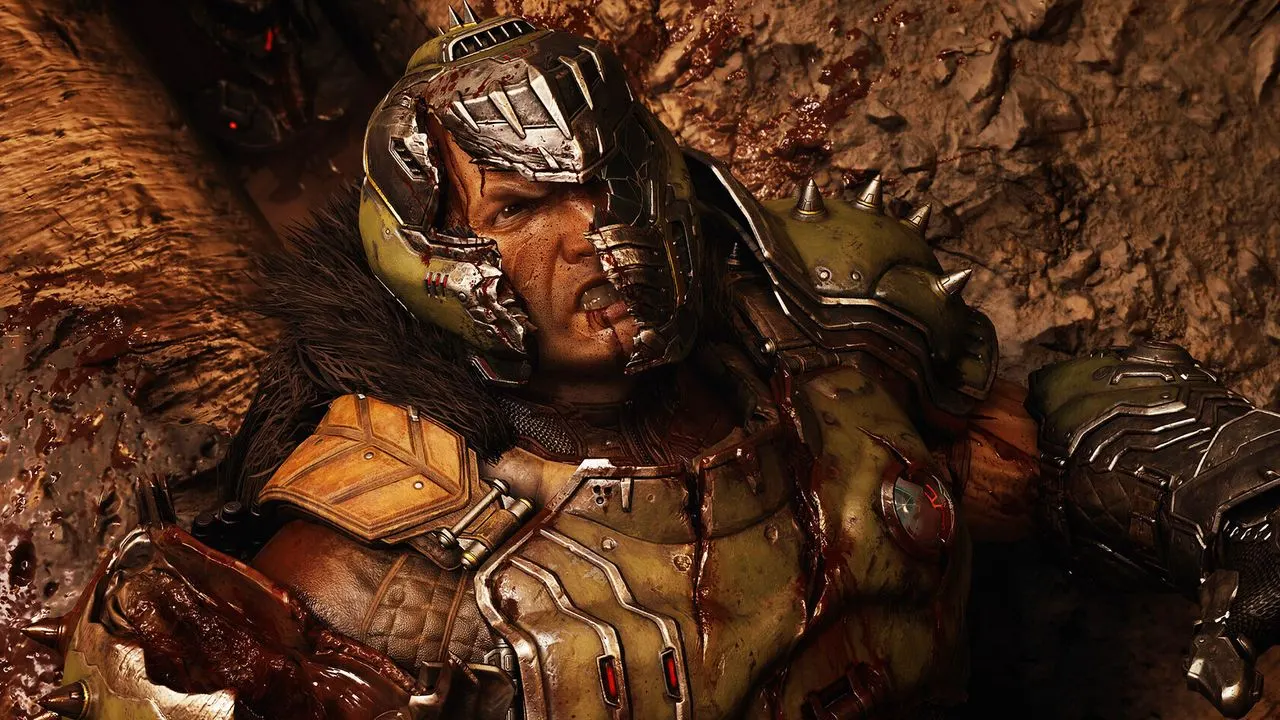
An id Software developer has publicly criticised Microsoft, saying the company has "burned a lot of bridges" across the games industry and accusing it of fundamentally failing to understand both art and games as a medium. The comments add to a growing chorus of criticism from developers and industry figures about Microsoft's stewardship of the studios and franchises it has acquired through deals such as its purchase of ZeniMax Media (id Software's parent company) and Activision Blizzard, and come amid ongoing concern over layoffs, studio closures and shifting creative priorities under Xbox's leadership.
The remarks reflect broader unease within the industry about Microsoft's approach to the creative and cultural side of game development, with the developer suggesting the company's focus is misaligned with what makes games work as an artistic medium. While the article does not detail specific incidents beyond the quotes themselves, it frames the criticism within a wider pattern of discontent from developers who have worked under Microsoft's ownership following its major acquisitions in recent years.
In short
- id Software developer says Microsoft "doesn't understand art" or games
- Criticism ties into wider industry unease over Microsoft's studio acquisitions
- Comments follow concerns about layoffs and closures under Xbox
Steelman: both sides, in good faith
The strongest fair case each way — we don't pick a winner.
The case for
Critics argue that Microsoft, as a vast multinational corporation, has fundamentally prioritised financial metrics and service integration over the artistic vision and creative autonomy that made the acquired studios valuable in the first place. They point to documented layoffs, studio closures, and the restructuring of beloved franchises around live-service and Game Pass models rather than fulfilling original creative intentions, suggesting a corporate apparatus that simply cannot comprehend what makes games function as art rather than merely as profit-generating assets. The concern is not whether Microsoft can fund projects—it clearly can—but whether the company possesses the cultural understanding necessary to steward such creative work responsibly.
The case against
Microsoft's defence would rest on the substantial investments it has made in acquiring and funding these studios, maintaining them as viable operations when their independence might have proved financially precarious. Whilst certain decisions may appear creatively misaligned, they often reflect necessary realities within the gaming industry: cyclical downturns require difficult staffing choices, and integrating franchises into a broader ecosystem like Game Pass actually expands their reach to audiences who would otherwise never access them. Microsoft would contend it does comprehend games—having operated Xbox for decades—and that balancing shareholder responsibility with creative ambition is simply the work of stewarding massive creative enterprises within a publicly traded corporation.
Explained simply
id Software is a video game studio best known for series such as Doom and Quake. It is part of ZeniMax Media, which Microsoft bought in 2021; Microsoft also acquired Activision Blizzard in 2023, giving it ownership of many studios and games.
These acquisitions made Microsoft one of the games industry’s largest publishers, with Xbox overseeing teams that create games for its consoles and other platforms. Developers have raised concerns about job cuts, studio closures and changes in creative direction under the company’s ownership, making questions about how it manages creative teams relevant across the industry.
Art Culture Software Technology