Health news and discussion on TalkFuse.
Devastating mental health toll of USS Abraham Lincoln revealed as eight sailors attempted to take their own lives while deployed in Iran war
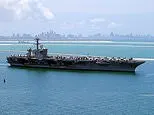
Eight US Navy sailors in the USS Abraham Lincoln strike group reportedly attempted suicide during a 280-day deployment connected to the Iran war, although none died. The disclosure has intensified scrutiny of allegedly severe onboard conditions and prompted a planned congressional investigation into the deployment’s impact on sailors’ mental health.
Acting Navy Secretary Hung Cao said the figure included personnel from the carrier, air wing, accompanying ships and aviation units; one additional sailor reportedly tried to go overboard in March but was stopped and treated. More than 6,000 sailors served aboard the vessel, which spent about 200 days in combat zones, while the Navy has announced operational changes following complaints including inadequate food and prolonged separation from families.
In short
- Eight sailors reportedly attempted suicide during the deployment.
- None of the attempts resulted in deaths.
- Congress and the Navy are investigating conditions aboard the carrier.
Steelman: both sides, in good faith
The strongest fair case each way — we don't pick a winner.
The case for
Those raising concerns about this deployment argue that eight suicide attempts during a single 280-day period represents a troubling pattern reflecting inadequate onboard conditions that fall short of the Navy's duty of care to its personnel. The documented complaints—insufficient food, prolonged family separation, extended combat-zone exposure—suggest systemic failures that compound the stress inherent to military service beyond what is ethically acceptable. This pattern warrants the planned congressional investigation and operational reforms, as addressing such welfare failures is essential to both personnel wellbeing and long-term military readiness.
The case against
Those defending the deployment's management note that context is essential: eight attempts among 6,000+ sailors cannot be assessed as anomalous without historical comparison data, and military service inherently involves hardship and separation that personnel understand upon enlistment. The absence of fatalities, the apparent functioning of crisis response mechanisms that identified and treated sailors in distress, and the Navy's prompt commitment to operational changes suggest the institution's safeguards operated as intended. Some level of hardship during a militarily necessary deployment to a contested region is unavoidable; the substantive question is whether conditions crossed into the unacceptable rather than merely difficult.
Explained simply
The USS Abraham Lincoln is a US Navy aircraft carrier, a large ship that carries military aircraft and operates with other vessels and aviation units known as a strike group. Its sailors live and work at sea, sometimes far from their families for months at a time.
The Iran war deployment involved more than 6,000 sailors and kept the carrier in combat zones for about 200 days. Reports of poor food and long separation from home have raised questions about how difficult conditions at sea can affect service members’ mental health.
Acting Navy Secretary Hung Cao oversees the Navy, while Congress can investigate its operations and their effects on personnel. The scrutiny matters because the Navy’s response may shape how it supports sailors during long deployments.
Health Mental Health Middle East World