Developer Cold Iron Studios shuts down cloud version of $60 game with no refunds
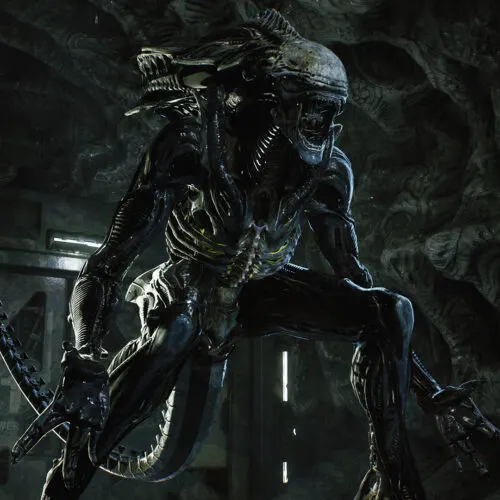
Cold Iron Studios has shut down the cloud-streaming version of Aliens: Fireteam Elite on the Nintendo Switch, cutting off access for players who paid up to $60 for the game without offering any refunds. The move is notable because it strips buyers of a game they own outright of the ability to play it at all, whether online or offline, underscoring the fragility of digital ownership when titles rely on remote servers rather than local downloads.
The shutdown, announced in March and enacted on 5 August, affects the Switch version specifically because it was only available via cloud streaming rather than as a download or physical copy, unlike the PlayStation and Xbox editions. Instead of refunds, affected players are being offered a discount on the Nintendo Switch 2 version, meaning they would have to pay again for a game they already own. The closure comes weeks before the sequel, Aliens: Fireteam Elite 2, launches on 25 August, and follows a familiar pattern of game shutdowns highlighting how digital purchases amount to a revocable licence rather than true ownership.
- Cold Iron Studios shut down Aliens: Fireteam Elite's cloud version on Switch
- No refunds offered; only a discount on the Switch 2 version
- Shutdown precedes the sequel's 25 August release, fuelling digital-ownership concerns
Both sides, in good faith
The strongest fair case each way — we don't pick a winner.
The case for
Cloud-streaming games operate under fundamentally different technical and licensing constraints than locally-installed titles—streaming infrastructure agreements often include expiration dates, and maintaining servers indefinitely is genuinely expensive. The studio provided advance notice and offered compensation through a discount, reflecting an attempt to honour the service period that was delivered. Players who chose cloud versions accepted the inherent risks of service-dependent gaming, distinct from purchasing physical or downloadable copies.
The case against
When consumers pay £45-60 for a game, they reasonably expect ownership rights comparable to physical purchases—the ability to access what they have bought. That a cloud version becomes unplayable does not justify zero refunds; players have lost their entire investment through no fault of their own. A discount on a sequel asks players to pay again for content they already purchased, and without legal protections for digital ownership, companies exploit this ambiguity to shift all risk to consumers, treating purchases as temporary licences without transparency or adequate compensation.