Developing nations face triple shock from energy crisis, El Niño and borrowing costs, UN warns
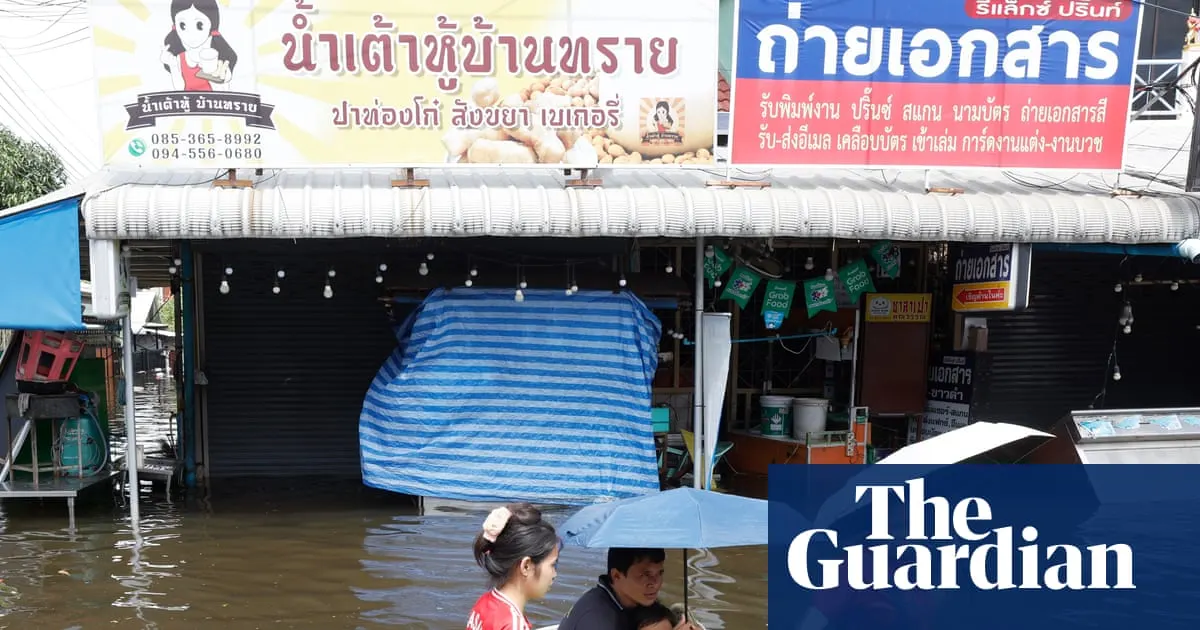
The UN Development Programme warns that developing countries are facing a triple shock from high energy prices, El Niño and rising borrowing costs. It says the pressures are converging as governments lose the means to protect households, risking tens or even hundreds of millions of people falling back into poverty.
Oil has risen above $100 a barrel, and the report says emergency measures have so far shielded up to 130 million of the world’s poorest people from the full price impact. De Croo put developing countries’ bond-financing costs at 9% and warned conditions could worsen by spring; separate research found debt-distressed low-income countries have cut education budgets by an average of 8% since 2019.
- UN warns three crises are squeezing developing countries.
- Oil above $100 and borrowing costs at 9%.
- Up to 130 million people have been shielded from full price rises.
New here? Start with this
Developing countries are being hit by three problems at once. Oil prices have risen sharply, making energy expensive. At the same time, El Niño—a weather pattern that disrupts rainfall and temperatures globally—is affecting agriculture and water supplies. Additionally, borrowing costs for these nations have climbed to around 9 per cent, making it far more expensive for governments to borrow money.
Many developing nations have tried to protect their poorest citizens from high energy prices through government support, currently helping about 130 million people. However, these governments are running out of money to maintain these safety nets as all three pressures converge. They risk losing the ability to shield their populations from economic hardship.
The concern is that tens or even hundreds of millions of people could be pushed back into poverty. Governments are already being forced to cut spending on essential services such as education, with some countries reducing education budgets by an average of 8 per cent since 2019. This combination threatens both immediate hardship and longer-term damage for some of the world's most vulnerable populations.
Both sides, in good faith
The strongest fair case each way — we don't pick a winner.
The case for
These converging external shocks—volatile energy prices, El Niño impacts, and punitive global borrowing costs—exceed what individual developing nations can manage alone, demanding urgent international support. Wealthy nations should provide debt relief, climate finance, and technology transfer to address crises largely beyond these countries' control, as the international system itself creates structural advantages for developed nations and responsibilities for reversing shared problems.
The case against
Whilst external pressures are genuine, sustainable development fundamentally depends on institutional strength, fiscal discipline, and good governance that international transfers cannot build. Market borrowing costs provide signals about debt sustainability; excessive reliance on external assistance risks creating dependency and reducing incentives for the domestic institutional reforms and policy improvements that generate genuine long-term resilience.