Did Al Green deliver soul’s greatest isolated vocal performance with 1971’s ‘Let’s Stay Together’?
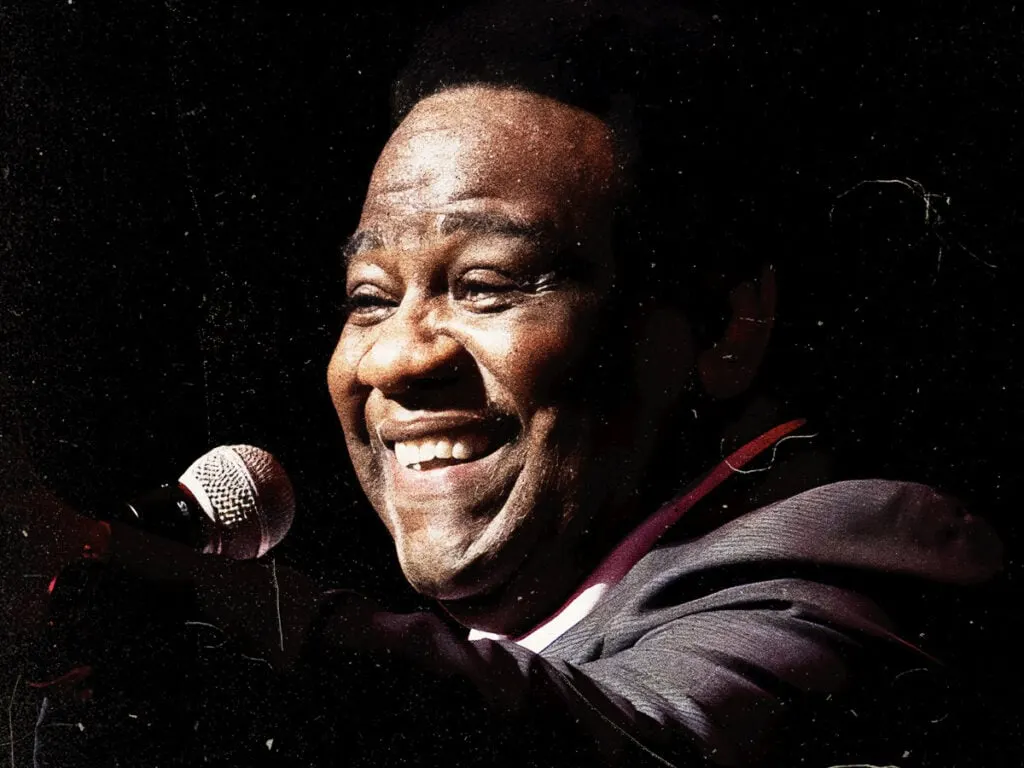
The article argues that Al Green’s vocal on “Let’s Stay Together” is among soul music’s greatest performances, highlighting how he moves naturally between tender pleas and soaring high notes. The 1971 hit matters as Green’s signature song and has since been recognised for its cultural, historical or aesthetic significance.
Organist Charles Hodges said bandleader Willie Mitchell brought people from nearby bars into the studio so Green could sing to an audience and connect more compassionately with the song. The article also points to an a cappella version, where Green’s falsetto and sustained notes stand out without instrumental backing, and notes the song reached number one.
- Al Green’s 1971 hit showcases his vocal range.
- Nearby bar patrons were brought into the studio as listeners.
- The song later received recognition from the Library of Congress.
New here? Start with this
Al Green was a singer whose warm, flexible voice helped define soul music in the 1970s. “Let’s Stay Together” was recorded in Memphis in 1971 with producer and bandleader Willie Mitchell, and became Green’s signature song.
The song is a plea for a lasting relationship, moving between quiet, intimate lines and soaring high notes. Organist Charles Hodges recalled that Mitchell brought people from nearby bars into the studio so Green could sing to listeners and connect with the words.
The single reached number one and has since been recognised for its cultural, historical or aesthetic significance. An a cappella version, with the instruments removed, makes it easier to hear the detail and control in Green’s voice.
Both sides, in good faith
The strongest fair case each way — we don't pick a winner.
The case for
The case for calling it soul’s greatest isolated vocal performance is that Green’s tender phrasing, sudden high notes and sustained falsetto convey intimacy and emotional force even without instrumental backing. Its success and lasting recognition suggest that the performance connected widely and has endured as a defining example of soul singing.
The case against
The case against the superlative is that vocal greatness is subjective, and one striking a cappella performance cannot settle comparisons across a rich tradition of singers and recordings. The full hit’s impact also came from its songwriting, arrangement, band and production, so isolating Green’s voice may overstate what the vocal alone achieves.