Did poop enable the evolution of complex animals?
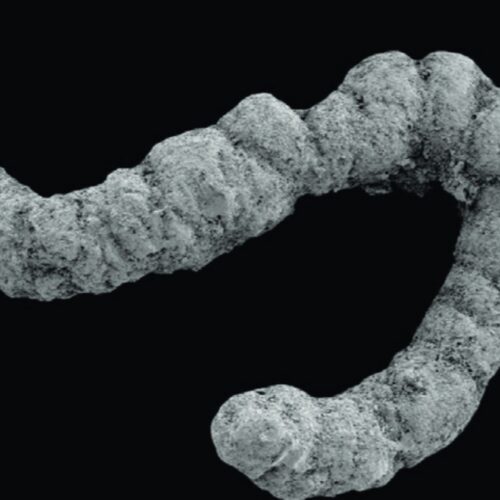
A new study suggests that the evolution of digestive systems and faeces may have helped drive the Cambrian Explosion, when animal life rapidly diversified around 540 million years ago. By carrying nutrients from surface waters to the seafloor, early faecal pellets could have made deeper marine environments more hospitable and supported larger, more varied animal communities.
Researchers Julien Kimming and Russell Bicknell reviewed fossilised digestive systems and Cambrian coprolites, then compared these findings with evidence and simulations of ancient ocean chemistry. They argue that pellets delivered organic carbon, iron, nitrogen and phosphorus to deeper waters, strengthening an early version of today’s oceanic “biological pump”. The evidence is suggestive rather than conclusive, but it offers a possible explanation for how nutrient availability supported increasing Cambrian biomass and diversity.
- Early faeces may have helped fuel Cambrian animal diversification.
- Pellets could have transported vital nutrients into deeper seas.
- The study links digestion, ocean chemistry and evolving ecosystems.