Politics news and discussion on TalkFuse.
Did the Bay Area just save its transit system from the brink of certain death?
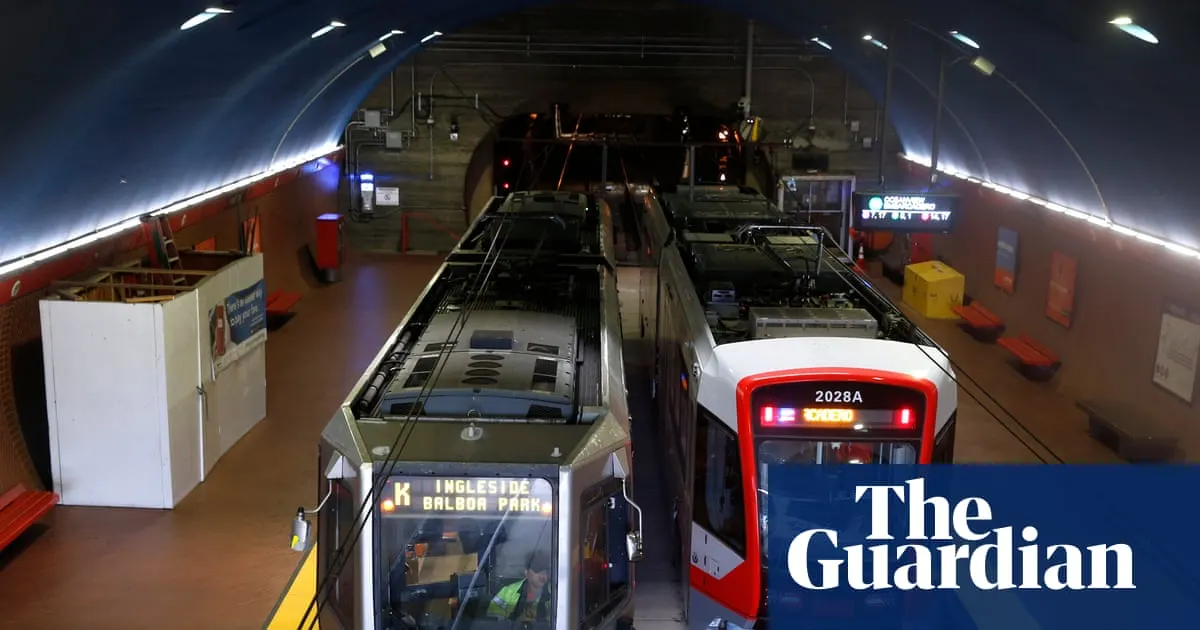
San Francisco Bay Area voters approved two measures aimed at preventing severe cuts to the region’s financially troubled public transport. The funding could avert a downward spiral of reduced services and falling fare income, which threatened residents’ access to affordable travel and risked worsening congestion across the region.
The regional measure introduces a 0.5% sales tax in four counties and a 1% tax in San Francisco, expected to raise about $1bn a year for four major operators. It won 62.2% support across the five counties, while 73.6% of San Francisco voters backed a separate Muni parcel tax. Without the measures, BART, Caltrain and Muni faced station closures, reduced services and the loss of some evening and weekend travel; volunteers gathered 77,000 signatures towards getting the regional measure on the ballot.
In short
- Voters approved new taxes to support Bay Area public transport.
- The regional measure is expected to raise about $1bn annually.
- The funding could prevent major service cuts and closures.
Steelman: both sides, in good faith
The strongest fair case each way — we don't pick a winner.
The case for
The measures offer a way to stabilise essential services before cuts make the system less useful and drive away more passengers. Reliable, affordable public transport supports people who depend on it, while helping limit congestion; broad voter support suggests many residents consider the taxes worthwhile to protect those benefits.
The case against
New sales and property taxes place additional costs on households and businesses, including people who may rarely use these services or cannot easily choose public transport. Long-term funding commitments may also ease immediate pressure without resolving the operators’ underlying financial problems, so voters could reasonably question whether the plans deliver sufficient accountability and lasting reform.
Explained simply
The Bay Area relies on several public transport operators, including BART, which runs trains around the region, Caltrain, which connects San Francisco with communities to the south, and Muni, San Francisco’s buses, trams and metro. These services link people to jobs, schools and other parts of the region, where many journeys cross county boundaries.
The operators have faced financial shortfalls, raising the prospect of fewer trains and buses, station closures and cuts to evening and weekend travel. Less frequent service can mean fewer passengers and less fare income, while people who depend on public transport may have fewer affordable ways to get around.
The funding measures use sales and property taxes to support the services. Their importance extends beyond passengers: transport cuts could push more people into cars, adding to congestion across the region.