Politics news and discussion on TalkFuse.
Did the Midterm Elections Just Kill MAGA?
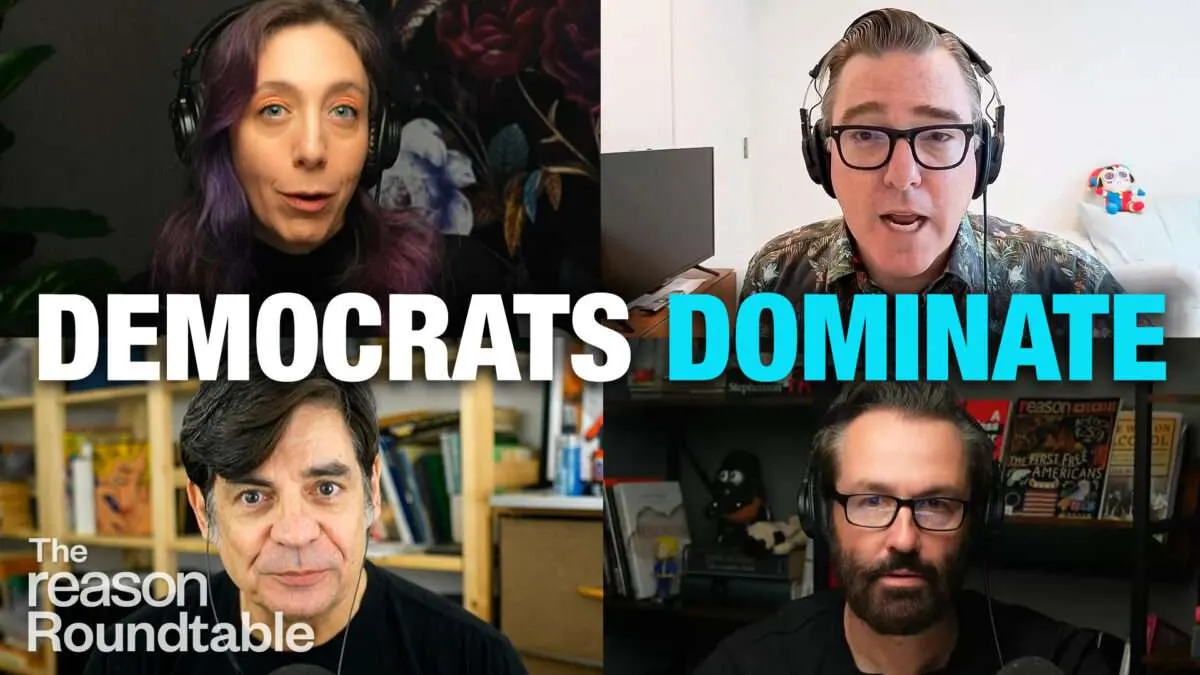
Democrats won a sweeping victory in the 2026 midterm elections, dealing major losses to Republicans and raising questions about whether the party can move on from President Donald Trump after a decade of backing his agenda. The result also leaves Democrats weighing how much of a mandate they have, as progressives and moderates compete to shape the party’s direction.
A discussion by four editors examines the roles of the Iran war, tariffs, immigration enforcement and corruption in the Republican defeat, and whether party leaders will learn from it or seek someone to blame. It also considers a shift among Gen Z voters towards Democrats, backlash against artificial intelligence and data centres, and what the results could mean for the 2028 presidential race.
In short
- Democrats swept the 2026 midterms, leaving MAGA’s future in doubt.
- The Iran war, tariffs and corruption are among the factors discussed.
- The results raise questions about both parties’ direction and 2028.
Steelman: both sides, in good faith
The strongest fair case each way — we don't pick a winner.
The case for
The scale of the losses may show that voters have tired of Trump’s agenda and the Republican Party’s close association with him, particularly amid concerns about war, tariffs, immigration enforcement and corruption. The reported shift among younger voters and backlash over data centres could deepen those pressures, making it harder for MAGA-aligned candidates to win and giving Republicans reason to reconsider their direction before 2028.
The case against
A midterm defeat, even a sweeping one, does not by itself show that MAGA is finished: results can reflect the specific issues and candidates of the moment, and the account leaves open which factors mattered most. Trump’s influence and support for his agenda could endure, while Republicans might respond by changing tactics or blaming particular leaders rather than abandoning the movement; meanwhile, Democrats’ internal divisions leave the extent of their mandate uncertain.
Explained simply
Midterm elections take place halfway through a US president’s four-year term. Voters choose members of Congress and many state and local officials, and the results can limit how much the president can get done. Donald Trump’s “Make America Great Again” movement, usually called MAGA, has shaped the Republican Party and supported his political agenda for about a decade.
The story concerns competing explanations for Republican losses, including the Iran war, tariffs, immigration enforcement and corruption, as well as reported shifts among younger voters and concerns about artificial intelligence and data centres. Democrats include both moderates and progressives, who may disagree over the policies and leaders the party should prioritise. The debate matters because it could shape how both parties respond and who seeks the presidency in 2028.