New releases, music videos and album news — indie, rap, rock and pop. Always covering Ren, Chris Webby, Sam Tompkins, bbno$, CHINCHILLA, Muse, Yungblud and more.
Did The Temptations’ Motown debut stop them from evolving?
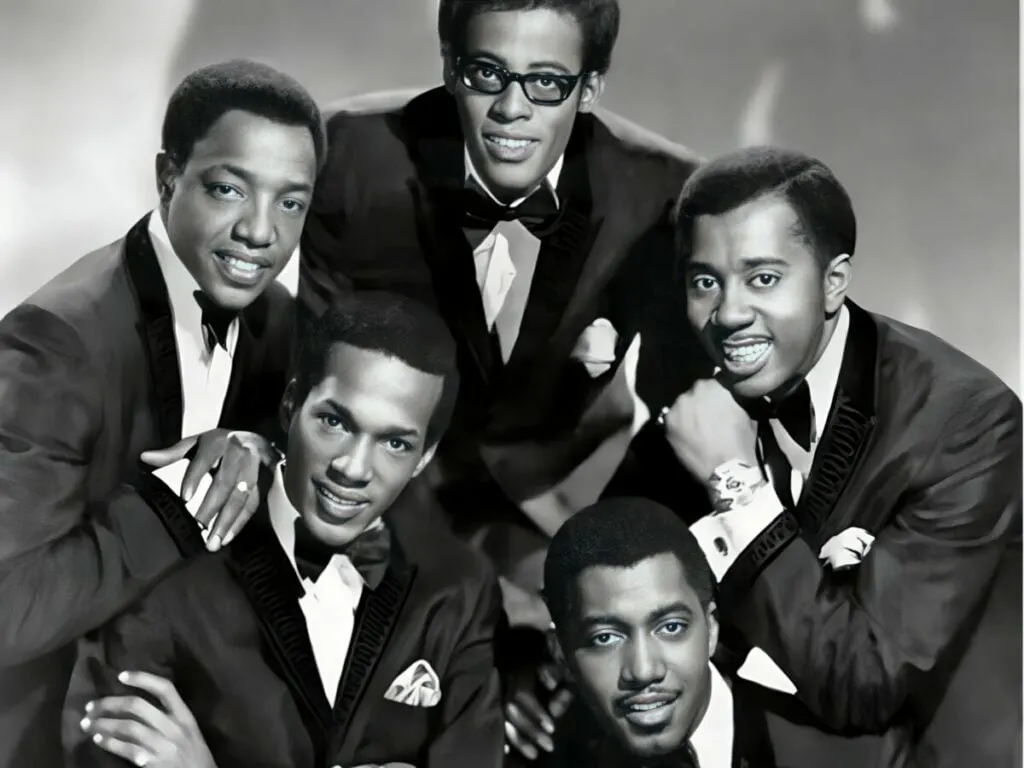
The article considers whether The Temptations’ 1961 Motown debut both established the group’s identity and constrained their later artistic development. It frames the song as a defining moment that may also have limited how the band was perceived and allowed to evolve.
The available text provides little further detail beyond the article’s title and its focus on a 1961 song. It suggests an examination of the tension between commercial or stylistic success at Motown and the group’s potential for change.
In short
- A 1961 debut may have defined The Temptations.
- The article questions whether it limited their evolution.
- Little supporting detail is provided.
Steelman: both sides, in good faith
The strongest fair case each way — we don't pick a winner.
The case for
Early commercial success with a particular sound can lock an artist into that identity through industry expectations and audience demand. Whilst The Temptations did evolve, they may have faced significant pressure to repeat their winning formula, constraining more radical artistic experiments they might otherwise have pursued. The commercial imperative of early success can limit creative risk-taking despite an artist's own ambitions for growth.
The case against
The Temptations demonstrated substantial artistic evolution throughout their career, exploring diverse genres and working with various producers rather than remaining confined to their debut sound. Their early success provided the platform, credibility and resources to take creative risks, and their development reflected deliberate artistic choices by the group itself. Rather than constraining them, their breakthrough enabled the freedom to evolve.
Explained simply
The Temptations were an American vocal group who became one of the most successful recording acts of the 1960s. They rose to prominence through Motown Records, the influential Detroit label that was central to shaping soul and pop music during that era.
The group's debut at Motown in 1961 was a significant moment that established their distinctive sound and artistic identity. This early success with a particular style and approach would shape how audiences came to know The Temptations.
When artists establish a commercially successful identity early in their careers, questions can arise about how that success influences their later work. For The Temptations, examining whether their 1961 debut both defined them and potentially constrained their artistic choices is therefore a way of understanding their long career arc.