‘Digger’ Star Tom Cruise Says He’s “So Proud Of What We Created” Despite Soft Open At Theaters
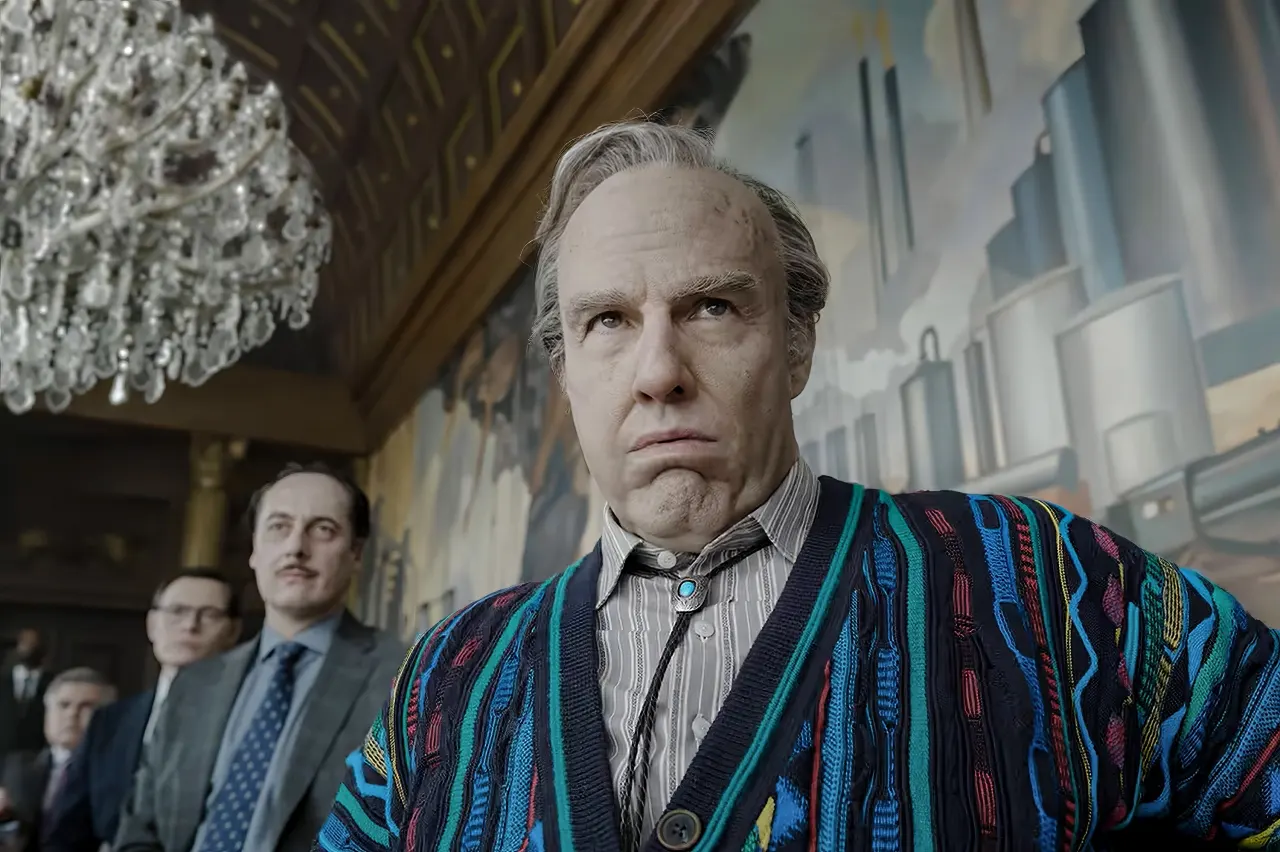
Tom Cruise's new film Digger opened to just $8 million—the lowest opening for the star since 2007—but Cruise has publicly expressed pride in the Alejandro G. Iñárritu-directed satirical dark comedy. The film, in which Cruise plays wealthy oil tycoon Digger Rockwell, was deliberately created for a younger audience, with director Iñárritu specifically targeting Gen Z viewers. Despite its weak commercial start, the project represents an unusually bold venture for a major Hollywood studio.
The film earned a C+ CinemaScore and drew audiences that were predominantly male (over 70 per cent) and young (60 per cent aged 18-34). It was released primarily in major coastal cities across 3,320 theatres, earning $50,000 from a single New York location but struggling in smaller markets, with most auditoriums remaining largely empty outside major urban centres. Critics have noted the film is divisive and unlike typical major studio releases, potentially appealing only to a niche audience.
- Tom Cruise's Digger had the lowest opening of his career since 2007
- Film targeted Gen Z with 60 per cent of viewers aged 18-34
- Despite soft opening, Cruise expressed pride in the unconventional film project
New here? Start with this
Tom Cruise has released a new film called Digger, a satirical dark comedy directed by Alejandro G. Iñárritu. In the film, Cruise plays Digger Rockwell, a wealthy oil tycoon, and the filmmakers deliberately created the project to appeal to younger audiences, particularly Generation Z viewers.
This represents an unusually bold creative choice for Cruise and the major studio backing it. Rather than a conventional action blockbuster or mainstream entertainment, the film is a niche, divisive satirical comedy that differs markedly from typical major studio releases. Cruise has not previously taken on roles of this nature, marking a significant departure from his established career path.
The film has opened to mixed commercial and critical results. It earned $8 million at the box office, marking Cruise's lowest opening since 2007, and received a C+ rating from audiences. The film has primarily resonated with young male viewers in major cities, whilst struggling to find an audience in smaller markets, suggesting it may appeal only to a narrower demographic than the broad mainstream audience Cruise's films typically attract.
Both sides, in good faith
The strongest fair case each way — we don't pick a winner.
The case for
Filmmaking is fundamentally a creative endeavour, and major studios have both the resources and responsibility to take calculated risks with visionary directors and established talent. Iñárritu's bold, unconventional approach succeeded in generating genuine interest in premium markets and sparking cultural conversation; the film demonstrated clear appeal to a substantial younger demographic the industry desperately needs to cultivate. Judging artistic ambition solely by opening weekend figures dismisses the diverse ways films find audiences over time and across platforms, and it discourages the boundary-pushing work essential to the medium's health.
The case against
A major studio film starring Tom Cruise that opens to just $8 million represents a significant financial failure that cannot be offset by artistic intentions alone. The strategy failed not just commercially but strategically—the film struggled even in its targeted coastal markets and performed abysymally elsewhere, suggesting the execution fell short of connecting with Gen Z viewers the project explicitly aimed to reach. Studios have shareholder obligations and must deploy resources responsibly; consistent underperformance at this scale, despite established talent and substantial marketing investment, raises legitimate questions about whether bold artistic ventures belong at this budget level and theatrical scope.