Director James McTeigue on How the V for Vendetta Mask Became a Global Symbol of Protest
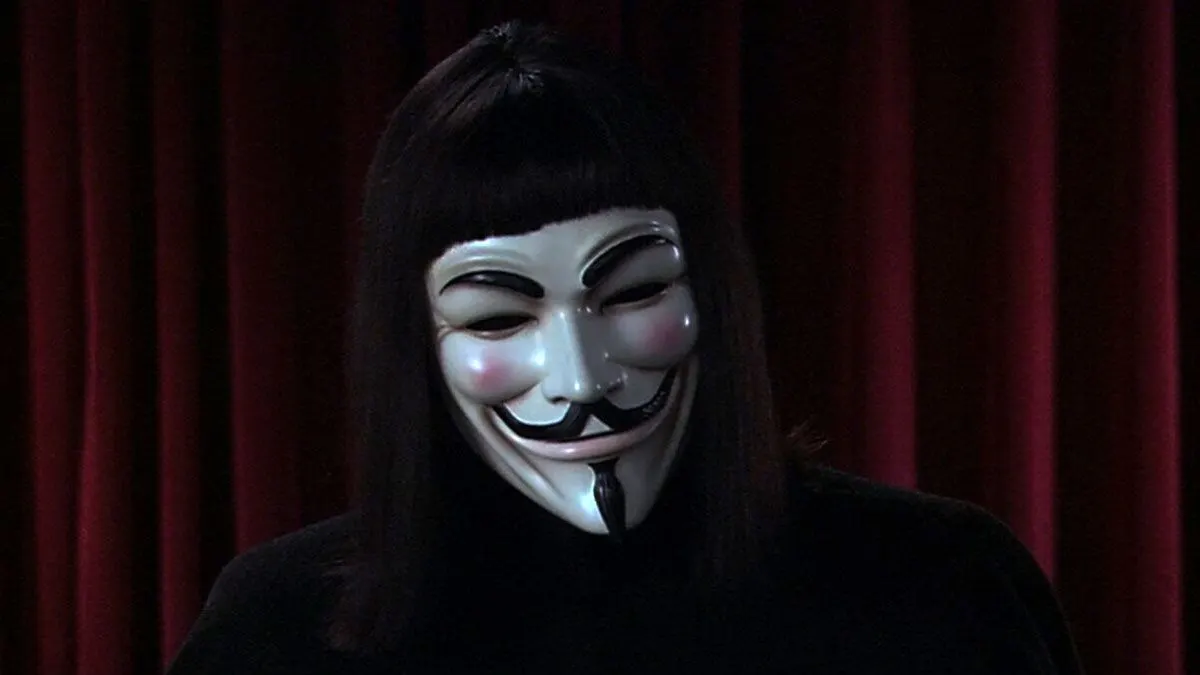
Director James McTeigue says it is “amazing” that the Guy Fawkes mask from *V for Vendetta* has become a symbol used in protests and resistance movements. As the 2006 film returns to cinemas, he reflects on how its global reach helped carry the mask’s message to millions, and why the image remains relevant.
The mask’s history predates the film: Guy Fawkes was involved in the 1605 Gunpowder Plot, and his image became part of British Bonfire Night traditions. Artist David Lloyd created the distinctive design for the comic series that began in 1982; the film adapted it, with Hugo Weaving conveying V through movement and voice. McTeigue used different mask finishes and carefully planned lighting to shift its mood, helping viewers read different meanings into its unchanging face.
In short
- The film helped turn the Guy Fawkes mask into a global protest symbol.
- David Lloyd designed the iconic look for the comic.
- Lighting and texture gave the mask different moods on screen.
Explained simply
Guy Fawkes was one of a group who tried to blow up Parliament in 1605. His image became part of Bonfire Night, the annual British tradition of lighting bonfires and setting off fireworks on 5 November.
The mask used in the film first appeared in the V for Vendetta comic, created by writer Alan Moore and artist David Lloyd in 1982. The 2006 film, directed by James McTeigue and starring Hugo Weaving as V, brought the design to a much wider audience.
Since then, people in different countries have worn the mask at protests and in movements challenging those in power. Its fixed smile can carry different meanings, and its links to rebellion and resistance help explain its appeal.