World news and discussion on TalkFuse.
US intelligence chief declines advice on emergency supplies after service outages
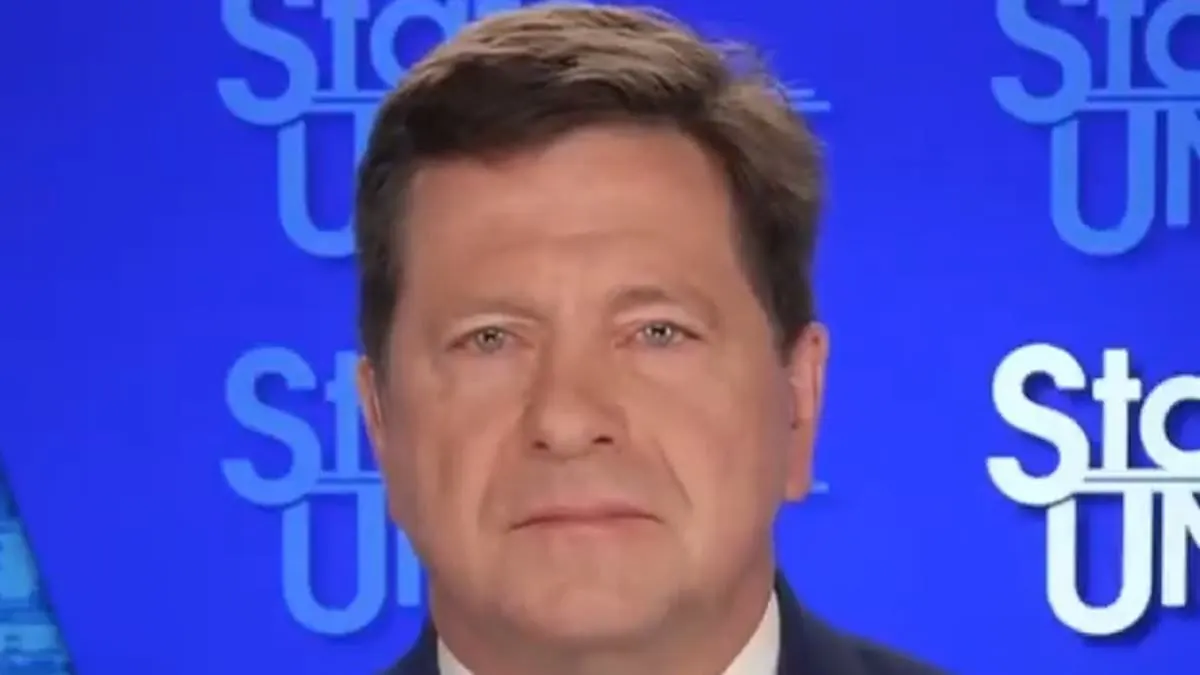
US Director of National Intelligence Jay Clayton declined to give direct advice on whether Americans should stock up on emergency supplies after technology outages disrupted several services. He said the country was resilient and rejected comparisons with the Covid pandemic, while warning that further service interruptions could occur as organisations update ageing systems and fix security weaknesses.
The reported problems affected air traffic control, banks, Microsoft services and the National Security Agency. Costco’s finance chief said shoppers had been buying more rice, canned goods, water, paper products, generators and batteries, with 21 of the 26 high-end generators sold online out of stock by the previous Sunday. Clayton said he had no evidence the outages were a coordinated foreign cyberattack, attributing them instead to upgrades and software vulnerabilities.
In short
- Clayton offered no clear advice on emergency stockpiling.
- He warned that further technology disruptions may occur.
- Costco reported increased demand for household essentials.
Steelman: both sides, in good faith
The strongest fair case each way — we don't pick a winner.
The case for
People may reasonably prepare for short disruptions by keeping basic supplies at home, especially when outages have affected essential services and further interruptions are possible. A modest reserve of food, water and batteries can give households practical flexibility without assuming a wider crisis or coordinated attack.
The case against
The outages described do not by themselves show that prolonged disruption is likely, and the intelligence chief said there was no evidence of a coordinated foreign attack. Broad stockpiling could be disproportionate to the reported risks and make supplies harder to find for others, so people may reasonably wait for specific official guidance rather than buy extra goods.
Explained simply
Jay Clayton is the US Director of National Intelligence, a senior official who oversees the country’s intelligence agencies. His role includes assessing threats to US security, including cyberattacks, which involve attempts to disrupt computer systems or steal information.
Many essential services rely on complex computer systems, and faults or security weaknesses can interrupt their work. Air traffic control, banks, technology companies and government agencies can all be affected, with knock-on effects for the public and businesses.
People sometimes keep emergency supplies such as food, water and batteries in case normal services are disrupted. How much to prepare is a personal decision, while identifying whether an outage stems from a technical fault or a deliberate attack can shape how authorities respond.
Americas Cybersecurity Technology World
Read the full article at the source →
Originally published by Daily Mail as “Director of National Intelligence refuses to say if Americans should be buying for doomsday after panicked cyber outages and shutdowns”.