Baroness Campbell delivers first AI-voiced speech in the Lords
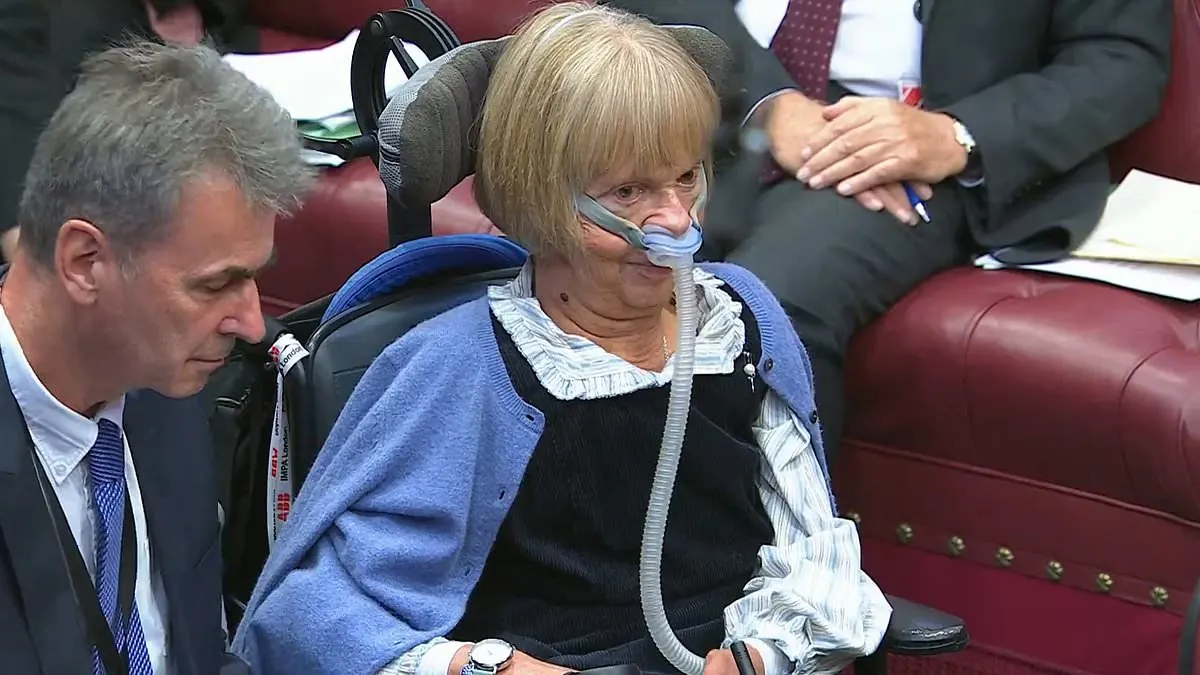
Baroness Campbell of Surbiton used an AI-generated version of her voice to deliver a speech in the House of Lords during a debate on Labour’s Health Bill. The appearance was a first for the UK Parliament and allowed her to speak in her own voice despite the effects of spinal muscular atrophy, which have increasingly affected her speech.
The voice, which she calls “Jane Mark II”, was created by ElevenLabs using recordings from past radio interviews, including her 2012 appearance on Desert Island Discs. It resembles her voice from about a decade ago, before it deteriorated. The Lords’ Procedures Committee approved the arrangement; it had previously allowed her personal assistant to read parts of speeches when she ran out of breath.
- Baroness Campbell delivered a Lords speech using an AI-generated voice.
- ElevenLabs created it from recordings of her past interviews.
- The Procedures Committee approved the accommodation.
New here? Start with this
Spinal muscular atrophy is a condition that weakens muscles and can affect speech. Baroness Campbell of Surbiton is a disabled rights campaigner and member of the House of Lords, where peers debate and scrutinise proposed laws.
The House of Lords is considering Labour’s Health Bill, which sets out changes to health policy and services. Campbell’s AI-generated voice was made using recordings of her earlier speech, allowing her to address peers in a voice closer to the one she had before her condition affected her speech.
Read the full article at the source →
Originally published by Daily Mail as “Disabled peer debuts her AI-generated voice in Parliament after tech firm harvested old radio interviews to help create her Lords speech”.