Culture news and discussion on TalkFuse.
Disney CEO Admits ‘Star Wars: The Mandalorian and Grogu’ and ‘Moana’ Underperformed at Box Office but ‘Fueled Other Parts of Our Company’
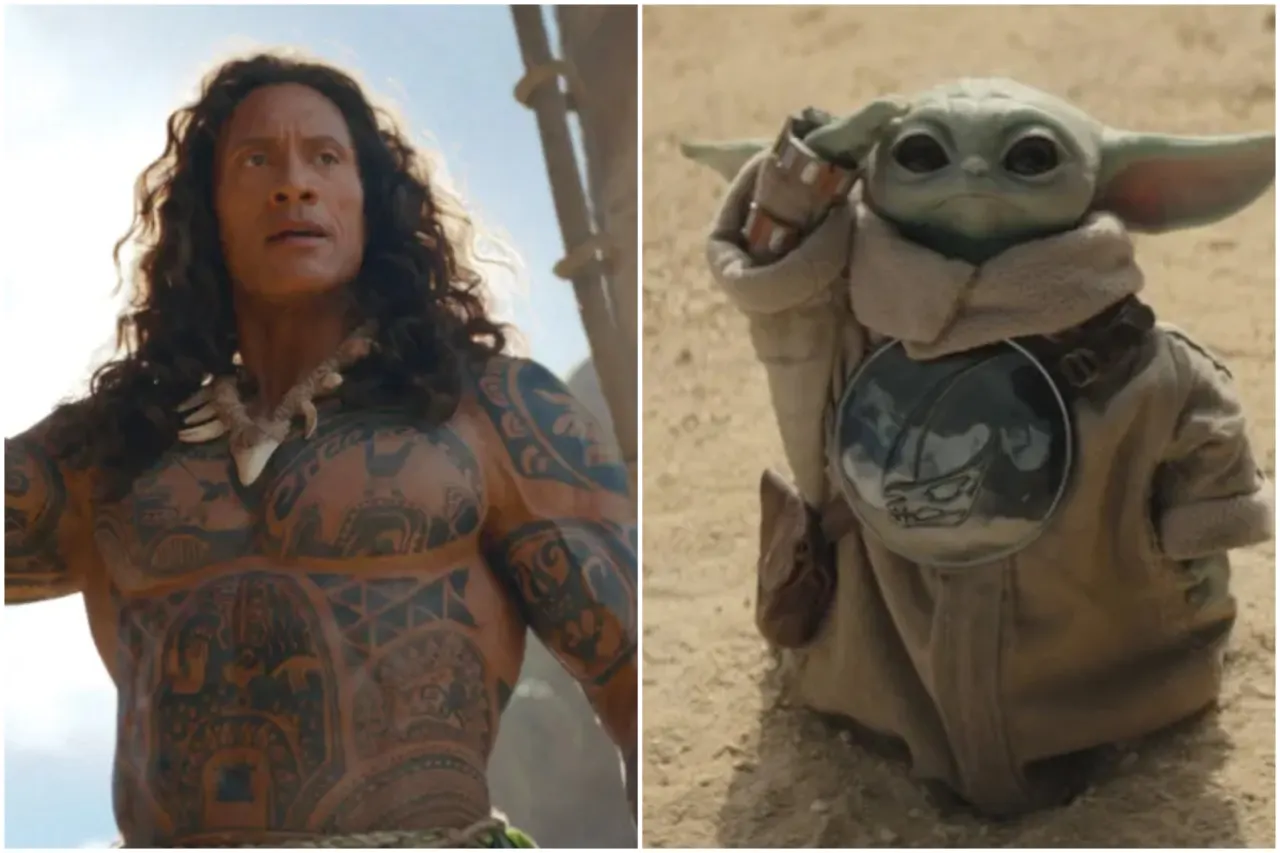
Disney CEO Josh D'Amaro has acknowledged that "Star Wars: The Mandalorian and Grogu" and the live-action remake of "Moana" both underperformed at the box office this summer, but argued the films still benefited the wider company through merchandise, theme park attractions and streaming. Speaking on Disney's latest earnings call, D'Amaro said franchise investments continue to pay off even when box office targets are missed, framing theatrical results as just one part of a broader commercial strategy.
"The Mandalorian and Grogu" opened over Memorial Day weekend with a domestic debut of $81 million and went on to earn $345 million worldwide, well short of the billion-dollar hauls achieved by earlier "Star Wars" instalments such as "The Rise of Skywalker" and "The Last Jedi". The live-action "Moana", starring Dwayne Johnson, has taken just $262 million worldwide against a production budget of around $250 million, with Variety reporting the film could lose Disney $100 million in cinemas. D'Amaro pointed to gains such as retail sales growth, increased footfall at Disneyland's Millennium Falcon attraction and anticipated streaming success for "Moana" on Disney+, while CFO Hugh Johnston described the film business as "a portfolio game" in which theatrical performance is only one data point within Disney's broader use of its intellectual property.
In short
- Disney CEO admits "Mandalorian and Grogu" and "Moana" flopped at the box office
- Both films still boosted merchandise, theme parks and streaming, Disney says
- "Moana" could lose Disney $100 million in cinemas, per Variety
Steelman: both sides, in good faith
The strongest fair case each way — we don't pick a winner.
The case for
Disney's position reflects contemporary entertainment economics where theatrical is one component of a larger IP ecosystem. When franchise films drive merchandise sales, theme park attendance and streaming engagement alongside their box office, they can generate meaningful returns even if theatrical alone doesn't fully recoup investment. For a diversified media company, evaluating films solely by theatrical performance ignores the strategic value of keeping franchises active and visible across multiple revenue streams, which may have cumulative benefits difficult to isolate in quarterly reports.
The case against
Acknowledging underperformance whilst pointing to ancillary benefits risks obscuring genuine strategic failures and avoiding accountability. If major franchises are consistently underperforming theatrically, this suggests creative or market problems that need addressing rather than explaining away through ancillary channels. A £100 million loss on a single film raises serious questions about whether the strategy is sound, and using the portfolio game framing may simply be corporate spin that allows poor decision-making to continue without proper scrutiny.
Explained simply
Disney is a major entertainment company whose businesses include film studios, streaming, shops and theme parks. It owns Star Wars and Moana, stories it can use across films, Disney+ and attractions such as Millennium Falcon at Disneyland.
A film’s box-office takings are the money earned from cinema ticket sales. Disney also makes money from selling related products and from using its characters and stories in theme parks and on streaming, so cinema earnings are only one part of how it measures a franchise’s value.
The Mandalorian and Grogu is part of the Star Wars universe, while Moana began as an animated film before being remade with live-action actors. Their results matter to questions about how Disney invests in familiar stories and whether success should be judged across its businesses as well as at cinemas.
Art Business Celebrity Companies Culture Entertainment Film