Culture news and discussion on TalkFuse.
Disney’s Best Marvel Show Is a Forgotten 3-Part X-Men Series
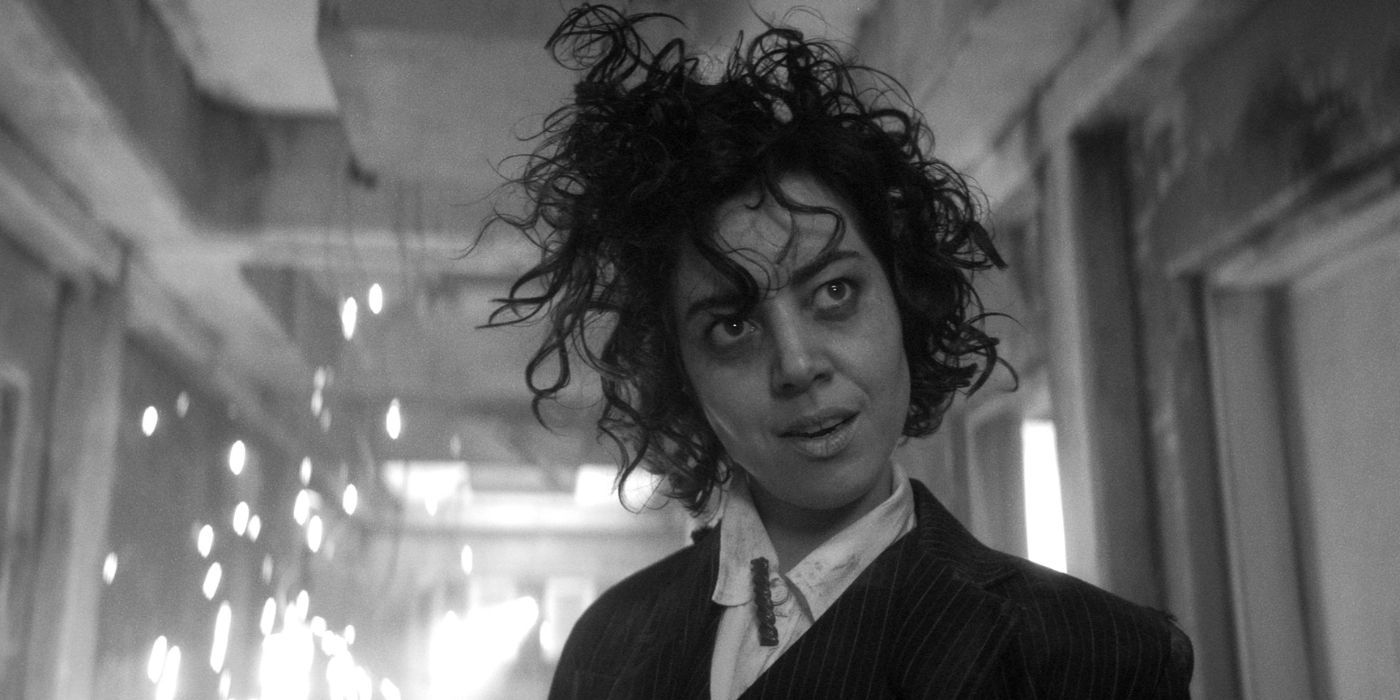
Collider argues that FX’s Legion is Marvel’s strongest television series because it stands apart from interconnected franchise continuity and tells a complete story across its three seasons. The article says its self-contained format, distinctive style and definitive ending make it more satisfying than many Netflix, ABC and Disney+ Marvel programmes.
Created by Noah Hawley and starring Dan Stevens as mutant David Haller, Legion presents his many abilities as separate personalities after he has been diagnosed with schizophrenia. Its exploration of mental health, alienation and David’s moral responsibility is paired with psychedelic visuals, experimental storytelling and an anti-hero lead, giving it the feel of a prestige drama rather than a conventional superhero series.
In short
- Legion is praised as Marvel’s most complete television story.
- Its three-season run avoids wider franchise continuity.
- The series blends mental-health themes with bold, psychedelic storytelling.
Steelman: both sides, in good faith
The strongest fair case each way — we don't pick a winner.
The case for
Legion transcends conventional franchise filmmaking by completing a self-contained narrative with a definitive ending across three seasons, prioritising artistic vision over interconnected continuity obligations. Its willingness to embrace psychedelic visuals, experimental storytelling and mature exploration of mental health and moral responsibility elevates it to prestige drama rather than franchise content, producing a more cohesive and narratively satisfying work than sprawling interconnected universes where storytelling must constantly serve commercial continuity rather than character development.
The case against
Other Marvel series such as Daredevil, Jessica Jones or WandaVision achieved both critical acclaim and measurable cultural impact, suggesting that interconnected formats need not undermine narrative quality. Legion's relative obscurity despite critical praise raises legitimate questions about whether artistic ambition alone defines merit; a show's excellence should account for overall execution—writing, performance, accessibility and cultural resonance—rather than privileging prestige-drama aesthetics as inherently superior. Some audiences find self-contained narratives less engaging than serialised storytelling that rewards sustained investment across interconnected programmes.
Explained simply
Legion is an X-Men television series that aired on FX for three seasons, starring Dan Stevens as David Haller, a young man with extraordinary mutant abilities. The show was created by Noah Hawley and focuses on David's life after he is diagnosed with schizophrenia.
Unlike most Marvel television programmes, Legion tells a complete, self-contained story that does not connect to other Marvel shows or films. The series has a definitive ending rather than leaving itself open for crossovers or continuation, and it emphasises prestige drama rather than traditional superhero storytelling.
The series explores how David's mutant powers manifest as multiple distinct personalities within his mind, intertwined with his mental health struggles. It combines psychological themes about alienation, identity and moral responsibility with distinctive visuals and experimental narrative techniques.