Entertainment news and discussion on TalkFuse.
Disney’s New Live-Action Remake Fails to Meet Box Office Expectations
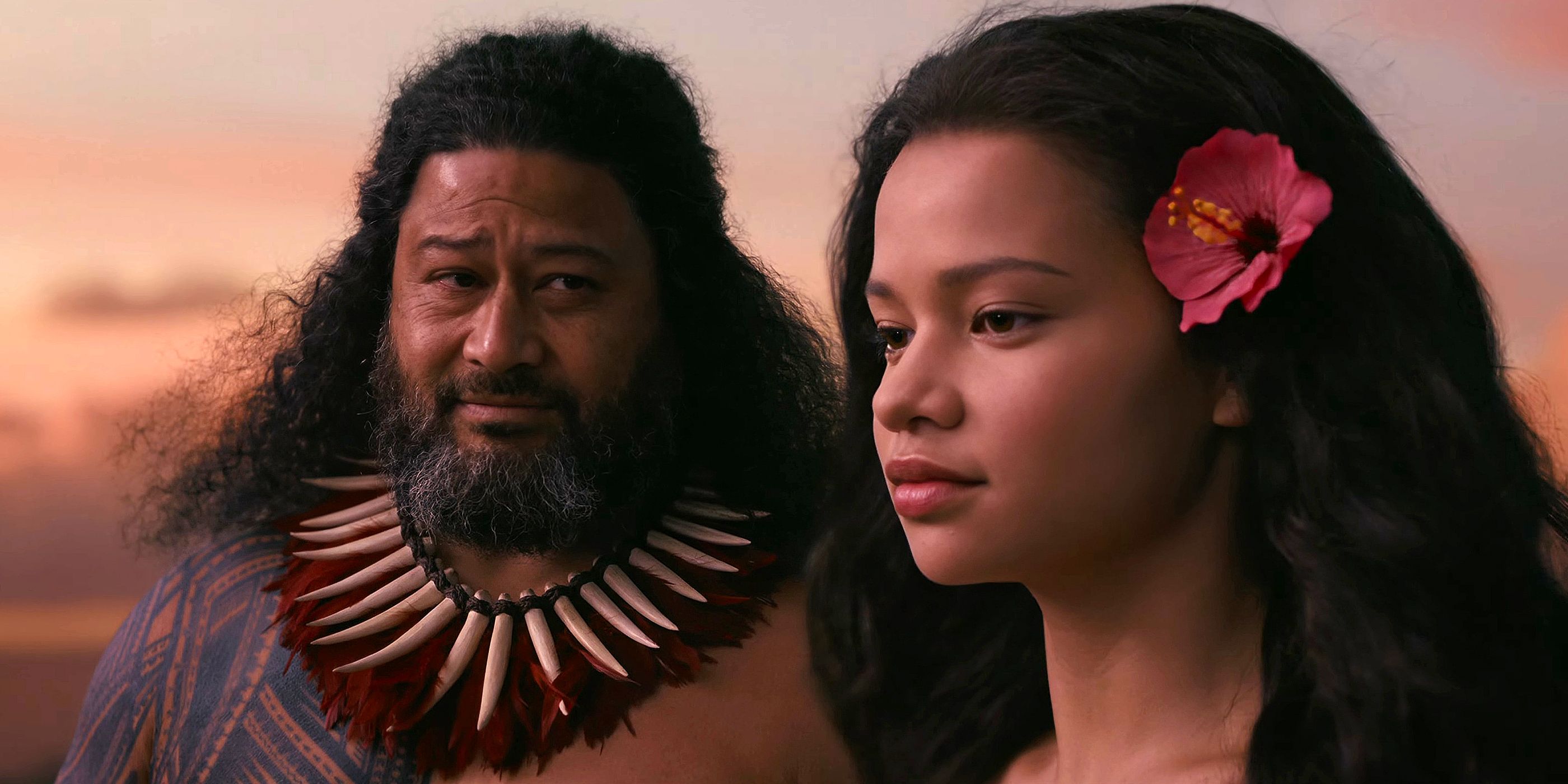
Disney's live-action remake of Moana has underperformed at the box office, opening to a reported $17 million and adding to a run of recent disappointments for major studio franchises. The article frames the result as further evidence that "franchise fatigue" is a real and persistent trend rather than a passing blip, following weak showings from other high-profile releases and raising questions about audience appetite for repackaged familiar properties.
According to the piece, the remake earned an A- grade from opening-day audiences but has drawn poor critical reviews, suggesting affection for the character has not translated into demand for a live-action version arriving barely a decade after the original animated film and less than two years after its sequel. The report places the result alongside other recent Disney-era stumbles, including The Mandalorian and Grogu — described as the lowest-grossing Star Wars film of the Disney era — and DC's Supergirl, which is said to be heading for one of the worst runs for a film of its size. The disappointment is also a setback for star Dwayne Johnson, who was hoping the film would reverse a string of box-office misfires.
In short
- Disney's live-action Moana opened weakly, around $17 million.
- Good audience grade (A-) but poor critical reviews.
- Adds to a run of franchise underperformers, denting Dwayne Johnson.
Steelman: both sides, in good faith
The strongest fair case each way — we don't pick a winner.
The case for
The underperformance reflects a genuine and measurable shift in audience preferences away from remakes toward original content. The Moana case is particularly instructive: the original film retained strong affection (evidenced by the A- audience grade), yet the live-action version failed commercially, suggesting audiences distinguish between appreciating a property and wanting to revisit it. Combined with recent disappointments across multiple studios and franchises, this pattern suggests studios have fundamentally miscalculated how often audiences will pay for repackaged familiar stories rather than new ones.
The case against
A single film's underperformance cannot reliably establish a cultural trend, particularly when numerous confounding factors may explain the result independent of franchise fatigue. Disney's 2019 Lion King and 2017 Beauty and the Beast—both live-action remakes—grossed over a billion dollars each, demonstrating sustained audience appetite for this format when executed successfully. The Moana result could reflect timing, marketing, creative choices, or natural variance rather than evidence of declining appetite for remakes broadly; attributing it to a trend risks confirmation bias and may misdirect strategic decisions.
Explained simply
A live-action remake is when a studio recreates a story originally told in animation, drawing on an existing audience and brand recognition rather than developing something entirely new. Disney and other major studios have pursued these adaptations in recent years, betting that the familiarity of a beloved property would draw viewers into cinemas.
Franchise fatigue describes audience tiredness with films built around established characters and stories, rather than original material. Over the past few years, several highly anticipated sequels and remakes have disappointed at the box office, suggesting that brand recognition alone may no longer guarantee commercial success as it once did.
The performance of major franchise releases is watched closely by the film industry because it indicates how audiences feel about the strategy of repackaging familiar stories. When audiences stay away despite the appeal of established characters, studios must reconsider whether investing heavily in remakes and sequels remains the safest path forward.