New releases, music videos and album news — indie, rap, rock and pop. Always covering Ren, Chris Webby, Sam Tompkins, bbno$, CHINCHILLA, Muse, Yungblud and more.
“Diversity was their greatest asset… They broke most of the rules that existed and wrote a new set”: Queen’s spirit of adventure and forward-looking values prove they were prog
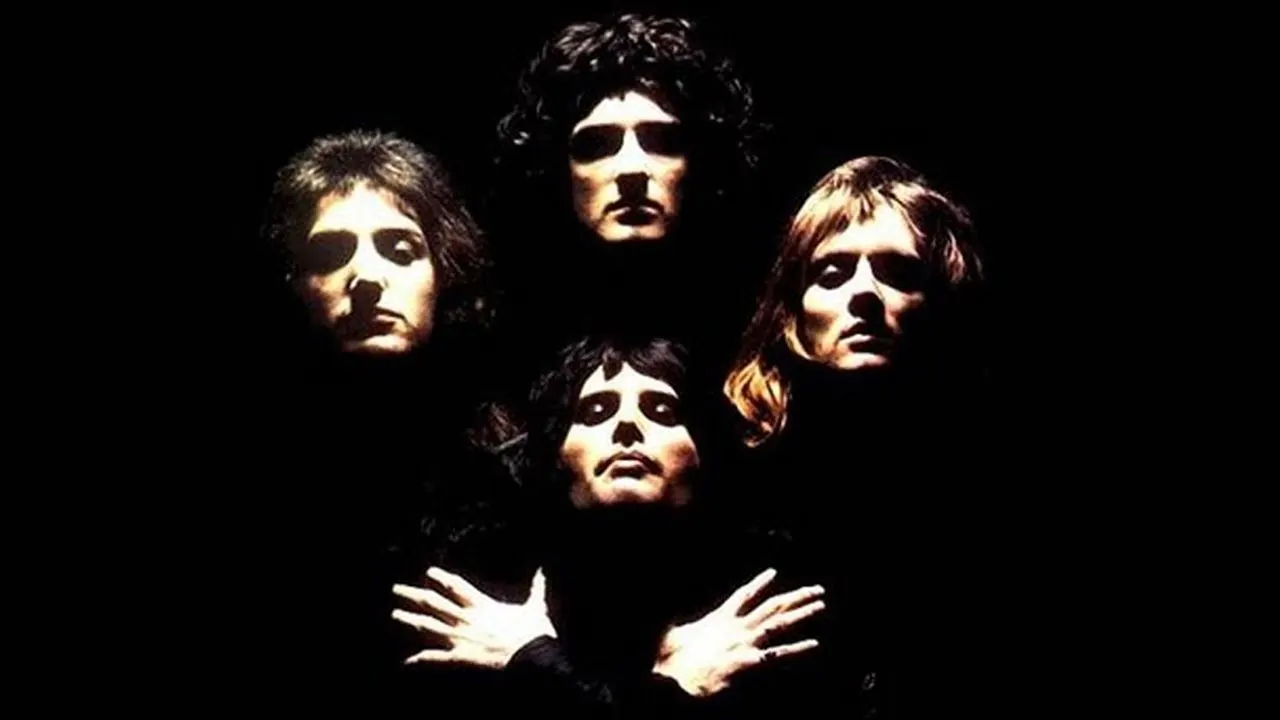
A feature article revisits the case, first made in 2012 by Yes guitarist Steve Howe and Dream Theater drummer Mike Portnoy, that Queen deserve recognition as a progressive rock band despite becoming known chiefly for their pop anthems. It argues that by the time Queen achieved mainstream fame, their most significant forays into progressive territory were largely behind them, yet their spirit of musical adventure, willingness to break convention and stylistic diversity mark them out as prog in character if not always in commercial identity.
The piece traces Queen's early credentials back to 9 January 1971, when the then little-known London band played low on the bill beneath Kevin Ayers, fresh from Soft Machine, and Genesis, who had recently released their second album, Trespass, at Ewell Technical College near Epsom, Surrey. While the headliners favoured a more overtly artful approach, Queen's sound at the time was a heavier, ornate blend rooted in bands like Led Zeppelin, from which they would go on to develop the eclectic, boundary-pushing style that underpins the article's argument for their inclusion in prog's history.
In short
- Article argues Queen's adventurous style qualifies them as a prog band
- Cites 2012 endorsement from Yes's Steve Howe and Dream Theater's Mike Portnoy
- Traces roots to a 1971 gig supporting Kevin Ayers and Genesis
Steelman: both sides, in good faith
The strongest fair case each way — we don't pick a winner.
The case for
Progressive rock should be understood as a spirit of artistic ambition and musical boundary-pushing rather than adherence to a narrow technical formula. Queen demonstrated this consistently through their willingness to fuse opera, music hall, hard rock and pop into sophisticated, layered arrangements, their ornate compositions, and their refusal to be confined by commercial or genre expectations. Even as they became known for pop anthems, their fundamental approach remained rooted in the creative experimentation and stylistic diversity that defined what made progressive rock meaningful.
The case against
Progressive rock as a genre has specific musical and commercial characteristics—complex structures, extended instrumental passages, and a primary focus on album-oriented rather than singles-driven work. Queen's identity became defined by their stadium-ready pop anthems and theatrical showmanship designed for mainstream appeal, not by progressive rock's core attributes. Whilst they had prog-influenced elements early in their career, genre classification should reflect an artist's primary body of work and commercial legacy; by that standard, Queen is fundamentally a pop and rock band, not progressive rock.
Explained simply
Progressive rock, often called prog, is a music genre that prioritises musical experimentation and artistic ambition over commercial appeal. Queen are famous worldwide for bombastic pop hits like 'Bohemian Rhapsody' and 'We Will Rock You', so the idea that they belong in prog's history may seem surprising.
Musicians including guitarist Steve Howe of Yes and drummer Mike Portnoy of Dream Theater have argued that Queen's pioneering spirit—their willingness to experiment with different musical styles and break rules—places them within prog's tradition. Although Queen's greatest commercial success came from polished pop songs, their earlier work displayed the kind of musical adventurousness that defines progressive rock.
Queen emerged from London's rock scene in the early 1970s, when bands were deliberately experimenting with sounds beyond conventional pop. Their performances were rooted in heavy, ornate rock influenced by Led Zeppelin, establishing the adventurous approach that would characterise their entire career.