DIY VR headsets offer a rewarding project, but demand time and patience
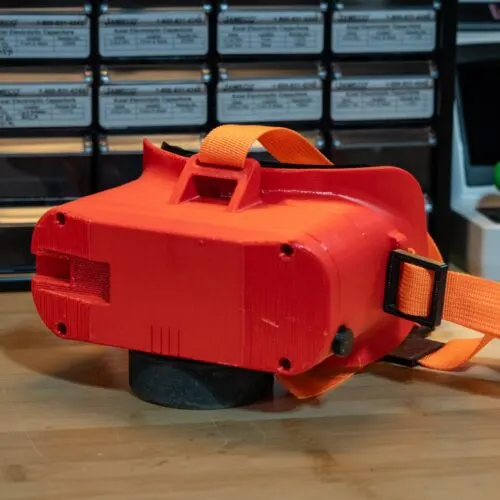
The article explores the growing enthusiast scene for do-it-yourself virtual reality headsets, as major technology companies have slowed or scaled back their VR efforts. Building a headset can be a rewarding electronics project, but the author’s experience shows why it remains a niche pursuit: the work, compromises and troubleshooting make commercial headsets more appealing to most people.
A basic build can use Relativty VR software and a 3D-printed shell, alongside two 2.9-inch LCD panels with 1440×1440 resolution, a controller, and other components. The panels cost about $125 and offer 150 nits of brightness and a 600:1 contrast ratio; the overall project may cost a couple of hundred dollars and take many hours. Projects including OpenVR Arduino HMD and Project North Star offer other starting points, while SlimeVR focuses on full-body tracking.
- DIY VR remains a niche enthusiast project.
- A basic build costs a couple of hundred dollars.
- Expect hours of assembly, printing and software setup.
Read the full article at the source →
Originally published by Ars Technica as “DIY VR: How to build your own headset, and why you probably won’t want to”.