Do gaming routers really make a difference?
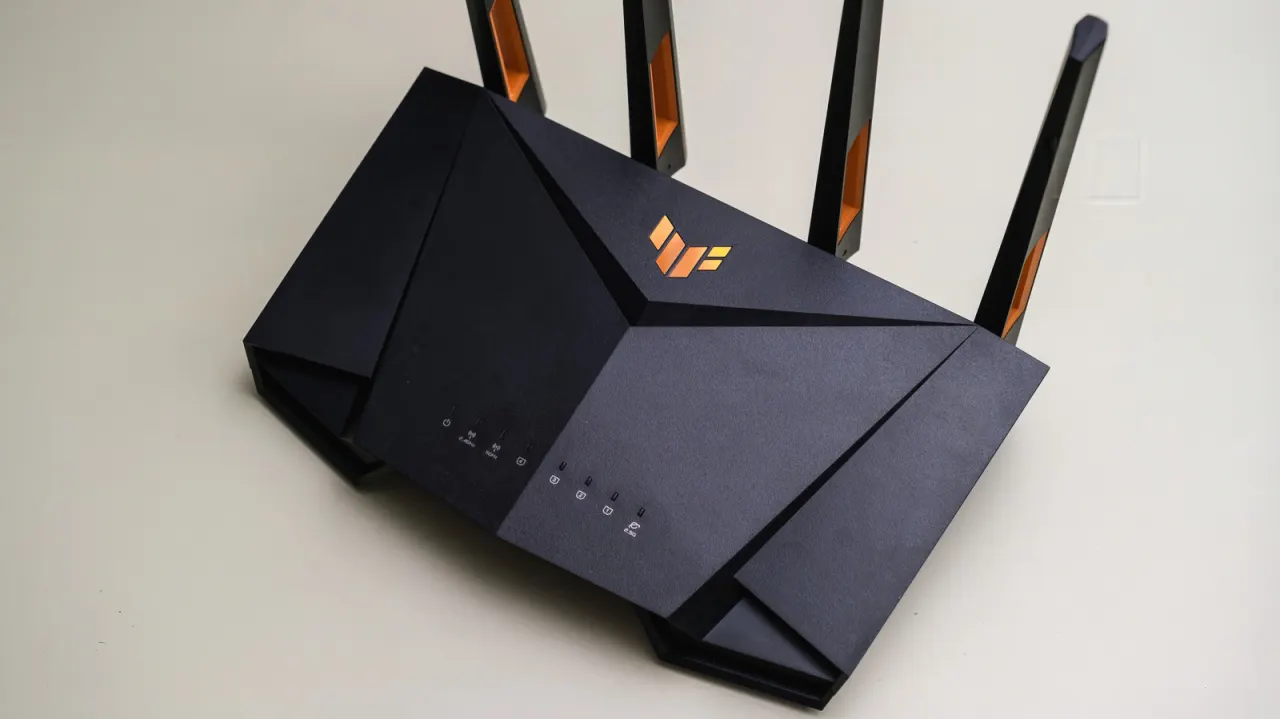
Gaming routers offer useful network controls, but their branding does not guarantee lower latency or better performance. Their hardware and core networking standards are much like those of ordinary routers, and moving an existing router or fixing Wi-Fi coverage may solve some problems more cheaply.
Some models add dashboards, game traffic detection, QoS prioritisation and Geo-Filter, which can help when other devices congest a connection. Smart queue management can also improve responsiveness under load, though it may reduce throughput. In tests cited in the article, nine of 11 routers improved latency with QoS or SQM, and all 11 had traffic management features, including some non-gaming models. A router cannot remove latency caused by connecting to a distant game server.
- Gaming routers can help manage traffic when a network is busy.
- Similar QoS features are available on some ordinary routers.
- A new router cannot fix latency caused by server distance.
New here? Start with this
Gaming routers are network devices marketed specifically to video gamers by manufacturers who promise lower lag and faster online play. The question at the heart of this story is whether these gaming-branded products actually deliver the benefits they claim.
Gaming router manufacturers highlight special software features designed to prioritise gaming during busy internet use, but these routers use essentially the same core hardware as standard household routers. This matters because gamers might achieve similar results more cheaply by repositioning an existing router or fixing Wi-Fi coverage problems, rather than buying new gaming-specific equipment.
Testing shows that the extra features can reduce lag when multiple devices compete for bandwidth on the same internet connection. However, no router can eliminate lag caused by the distance between a player and game servers, meaning these devices are not a complete solution to all online gaming problems.
Both sides, in good faith
The strongest fair case each way — we don't pick a winner.
The case for
Gaming routers do offer genuine performance improvements through specialised features such as QoS prioritisation, traffic management, and optimised queuing that can measurably reduce latency and improve responsiveness, particularly for multiplayer gaming on congested networks. Testing data shows that most dedicated gaming routers achieved noticeable latency reduction with these features, making them worthwhile for serious players who experience network congestion from multiple devices.
The case against
Gaming routers represent unnecessary premium pricing for features increasingly available on standard routers and cheaper alternatives. Since core hardware differs little from ordinary models and simpler solutions like repositioning existing equipment or improving Wi-Fi coverage often solve the same problems, the gaming brand markup rarely justifies the additional expense, particularly when non-gaming models now include similar traffic management capabilities.