Doc Talk Podcast: David And Liani Greaves On Their Oscar Contender ‘Once Upon A Time In Harlem’
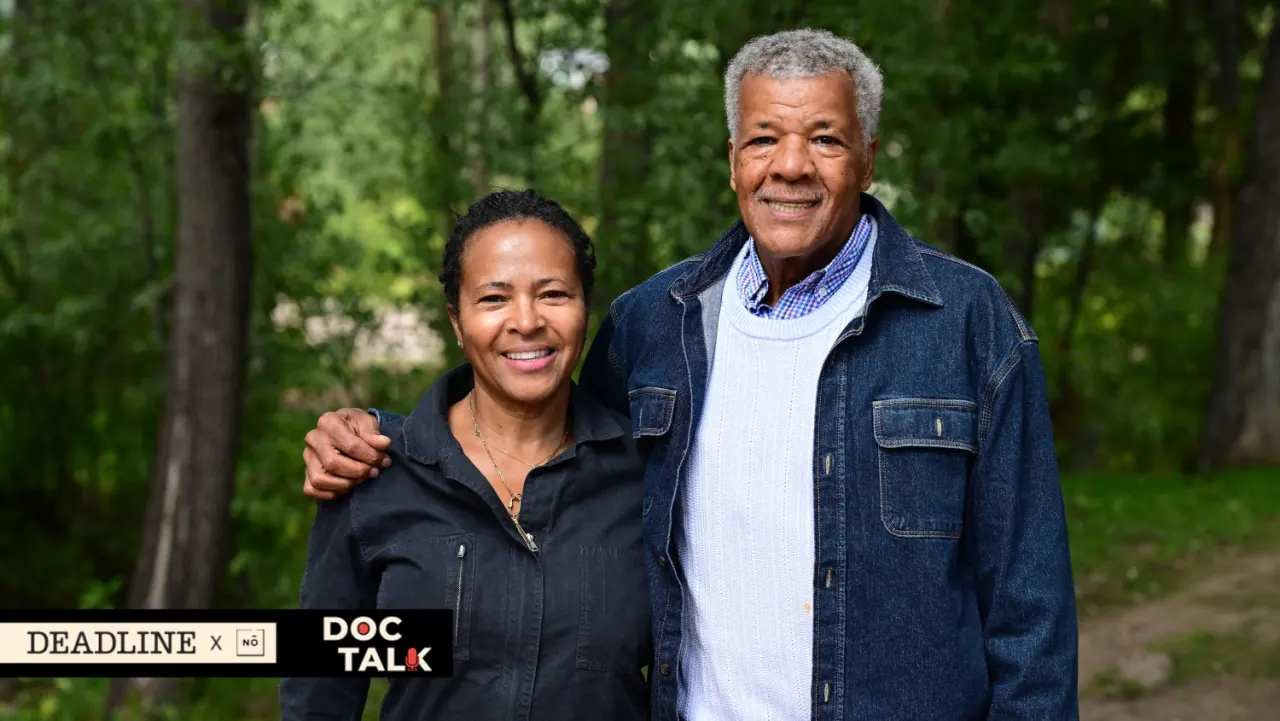
David and Liani Greaves discuss their documentary *Once Upon a Time in Harlem*, which is gaining awards attention and draws on footage of a rare 1972 reunion of Harlem Renaissance figures. The film brings this gathering and its debates about Black cultural life to audiences, while also highlighting women’s contributions to a movement whose history can overlook them.
The documentary is built from nearly 30 hours of footage shot by William Greaves, David’s father and Liani’s grandfather; David also worked as a cameraman at the original event. The film received five Critics Choice Documentary Award nominations and screened at Sundance, Cannes, Telluride, Toronto and New York festivals. It opens in New York on Friday and in Los Angeles on 23 October.
- A 1972 Harlem Renaissance reunion is brought to the screen.
- The documentary was shaped from almost 30 hours of footage.
- It has five Critics Choice Documentary Award nominations.
New here? Start with this
The Harlem Renaissance was a flowering of Black art, writing and music centred in Harlem, New York, during the 1920s and 1930s. Its influence lasted beyond that period, and a 1972 reunion brought people connected to the movement together to reflect on Black cultural life and its future.
Filmmaker William Greaves recorded the reunion, capturing discussions among artists and other figures. His son David worked as a cameraman at the event, and David and his daughter Liani later shaped the footage into a documentary.
The film also draws attention to women’s roles in the Harlem Renaissance, which can receive less notice in accounts of the period. The reunion offers a record of how people associated with the movement understood its legacy decades later.