Kentucky grand jury declines to indict doctor over granddaughter’s hot-car death
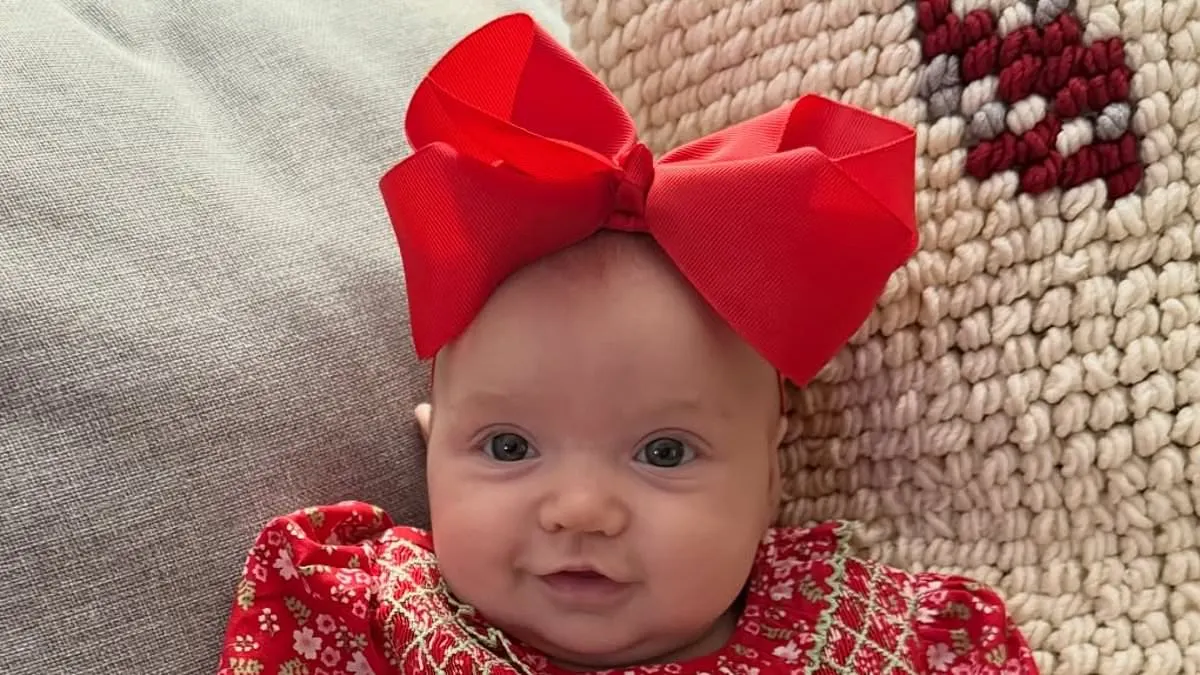
A Kentucky grand jury has declined to indict family doctor Stacey Fazenbaker over the death of her 10-month-old granddaughter, who was left in a hot car for about eight hours. Prosecutors said jurors found insufficient probable cause, so no indictment will proceed; the decision does not change the circumstances of the child’s death.
The baby, Scottie Gwyn Crowell, died on 13 August after Fazenbaker drove to work instead of taking her to daycare. The outside temperature was reported to have reached 95F, and the child was found after her father went to the daycare that afternoon and learnt she had not arrived. Officials gave little detail about the grand jury’s reasoning, citing the secrecy of proceedings, and said the parents were consulted during the investigation. US figures cited in the article estimate about 37 children die in hot cars each year.
In short
- Grand jury declines to indict Stacey Fazenbaker.
- Her 10-month-old granddaughter died after being left in a hot car.
- Officials cite insufficient probable cause and keep grand jury proceedings secret.
Steelman: both sides, in good faith
The strongest fair case each way — we don't pick a winner.
The case for
A grand jury’s decision not to indict can be defended as a recognition that a tragic outcome alone does not establish criminal guilt; prosecutors must show sufficient evidence of probable cause under the applicable law. Given the limited public information about the investigation and the secret nature of grand jury proceedings, restraint may protect due process and avoid treating an unintentional lapse as a crime without adequate evidence.
The case against
The decision may prompt concern that a preventable death involving a caregiver’s serious lapse will not face criminal scrutiny, leaving the family and public without a fuller account of responsibility. Those who favour prosecution could argue that a child left in a hot car for hours warrants a court’s examination of whether the conduct met the legal threshold for criminal negligence, while recognising that the grand jury found probable cause insufficient.
Explained simply
In the United States, a grand jury reviews evidence presented by prosecutors and decides whether there is enough basis to bring criminal charges. If it declines to indict, the case does not proceed on those proposed charges; the decision is not a ruling that establishes exactly what happened.
The child, Scottie Gwyn Crowell, was 10 months old and was in the care of her grandmother, Stacey Fazenbaker, a family doctor. The case concerns how the baby came to be left in a car during a hot day, and how responsibility is considered when a child dies in such circumstances.
Children can become dangerously ill or die when left in hot vehicles, even when the weather outside may seem manageable. US figures cited in the report estimate that about 37 children die in hot cars each year.
Read the full article at the source →
Originally published by Daily Mail as “Doctor grandma who left 10 month old granddaughter to die in hot car won’t be indicted over the tragedy”.