World news and discussion on TalkFuse.
Doctor who botched Christa Pike’s execution had not placed IV line since 2013: report
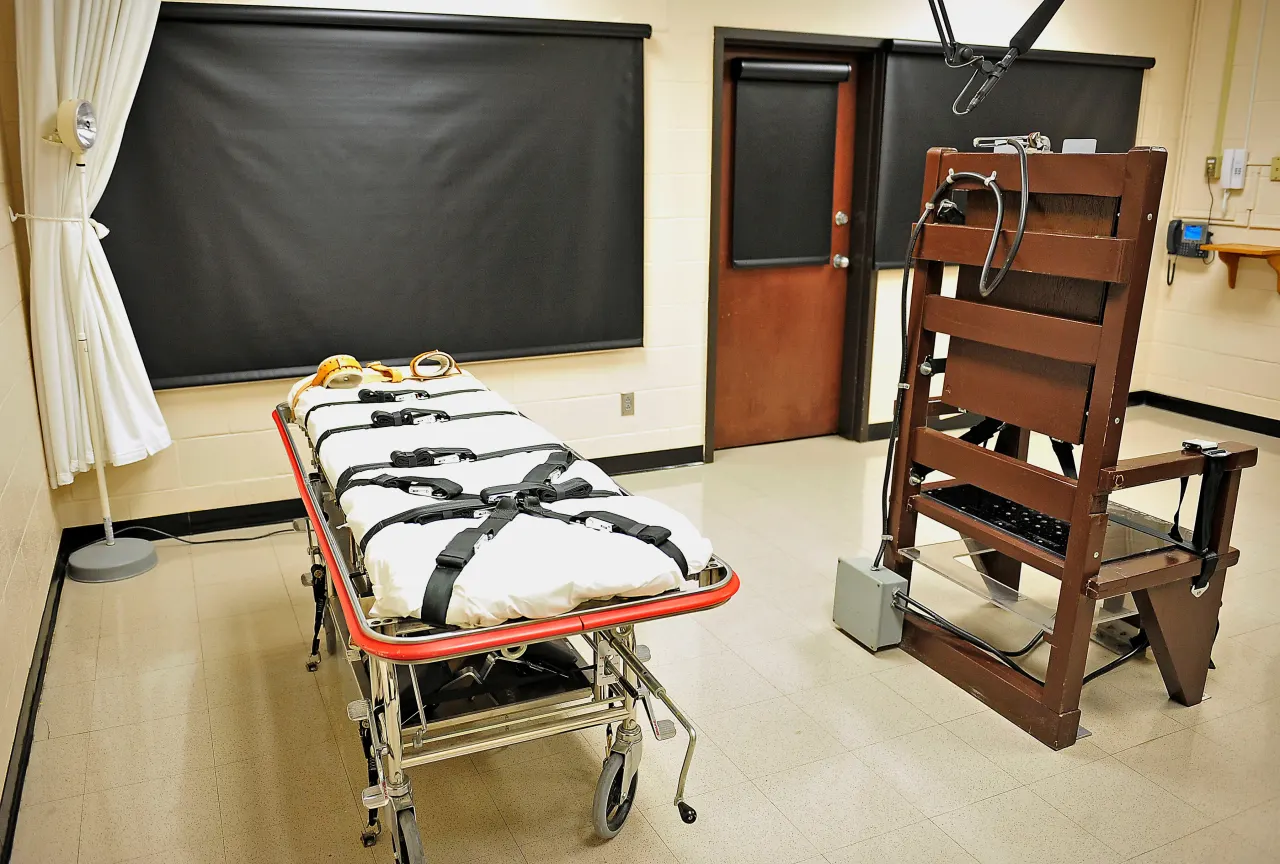
Court documents say Tennessee’s lead physician for two failed lethal injections, Dr Mark Fowler, had not placed an IV line since 2013. His role in the executions of Tony Carruthers and Christa Pike has raised questions about the state’s choice of medical staff and the oversight of its execution procedures.
Fowler said in a deposition that he lacked hospital privileges to insert central lines. During Carruthers’s planned execution in May, the team spent more than an hour trying to establish IV access before the procedure was called off. In September, staff tried about 10 needles to place lines in Pike’s arms; investigators later found the lines had been improperly positioned, allowing the drug to seep into her tissue. Pike survived two doses, spent 10 days in critical condition in hospital, and was then returned to the prison’s medical ward.
In short
- The physician overseeing both failed executions had not placed an IV since 2013.
- Carruthers’s execution was called off after staff failed to establish IV access.
- Pike survived two doses and spent 10 days in critical condition.
Steelman: both sides, in good faith
The strongest fair case each way — we don't pick a winner.
The case for
The failed procedures and reported harm make a strong case for stricter qualification standards, independent medical oversight and transparent review of execution teams. Reliable access to a vein is central to carrying out the state’s chosen method, and safeguards should reduce the risk of prolonged suffering and preventable medical injury.
The case against
Tennessee may argue that executions are conducted by specialised teams under state protocols, and that a physician’s recent experience placing IV lines alone does not establish whether the overall system or individual decisions were inadequate. The state also has a duty to carry out sentences imposed by courts, while protecting staff confidentiality and avoiding disclosure that could compromise the operation of executions.