World news and discussion on TalkFuse.
Dodgers’ Kiké Hernández blasts fan’s angry letter over White House skip, exposes address to followers
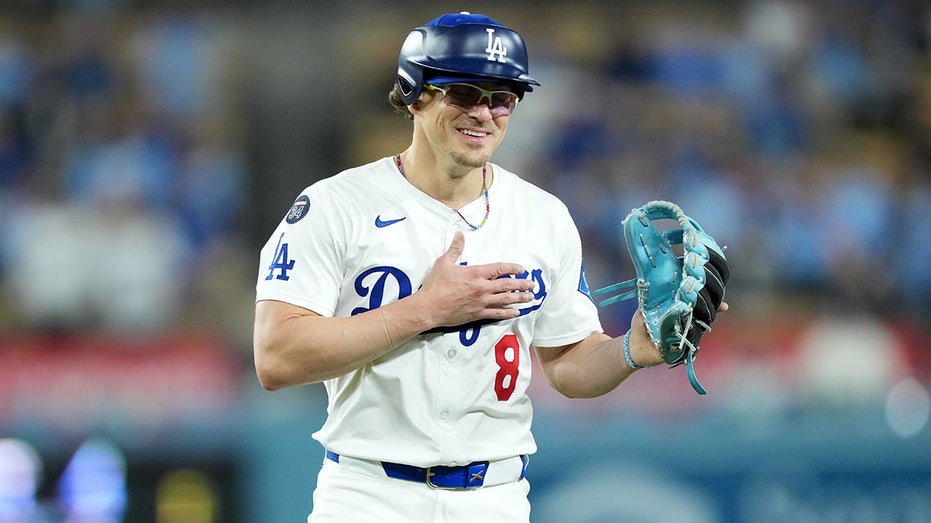
Los Angeles Dodgers infielder Kiké Hernández, known for his clutch postseason performances and affable public image, hit back publicly after a fan sent him an angry letter criticising his decision to skip the team's visit to the White House. Hernández's response drew attention not just for its tone but because he shared the fan's home address with his social media followers, raising questions about privacy and the appropriateness of his reaction.
The dispute stems from Hernández's choice not to join his Dodgers team-mates on their customary visit to the White House, a decision that prompted a written complaint from the fan. Details of the letter's exact contents and Hernández's full response were not fully provided in the available report, but the incident has become a talking point in sports media given his popularity and the sensitivity of publicising a private individual's address.
In short
- Kiké Hernández skipped the Dodgers' White House visit
- A fan sent him a critical letter over the decision
- Hernández responded publicly and shared the fan's address
Steelman: both sides, in good faith
The strongest fair case each way — we don't pick a winner.
The case for
A fan initiated confrontational contact through an angry written letter criticising Hernández's personal decision. In responding publicly, Hernández engaged in legitimate accountability to someone who sought to hold him to account. Public figures regularly encounter criticism from engaged fans, and publicising a complaint directed at him is a form of dialogue rather than an unprovoked attack. Those who choose to engage publicly with public figures through direct complaint should expect public engagement in return.
The case against
Sharing a private citizen's home address to millions of social media followers constitutes doxxing and creates genuine risks of harassment that are vastly disproportionate to the original provocation. Private individuals retain fundamental rights to privacy and safety even when criticising public figures, and weaponising a massive platform to expose an ordinary citizen's address violates essential norms about responsible platform use. The power imbalance between a famous athlete and a private citizen is profound, making this categorically different from mutual debate or accountability.
Explained simply
Kiké Hernández is an infielder for the Los Angeles Dodgers baseball team, known for performing well in important postseason games and having a positive public image. When Major League Baseball teams win major tournaments, they traditionally visit the White House to meet the sitting president, a convention that most players have followed over the years.
Recently, Hernández chose not to participate in his team's White House visit, a decision that prompted a fan to write him a critical letter expressing disapproval of this choice. Rather than handle the matter privately, Hernández publicly responded to the fan by sharing their home address on social media to his many followers.
The incident has attracted attention because sharing a private individual's personal address publicly raises concerns about privacy. The situation has become a topic of discussion in sports media, partly due to Hernández's previously positive public reputation and the broader sensitivity around publicising private citizens' personal details.