Politics news and discussion on TalkFuse.
Does owning a home influence how Spaniards vote? The growing divide between homeowners and renters
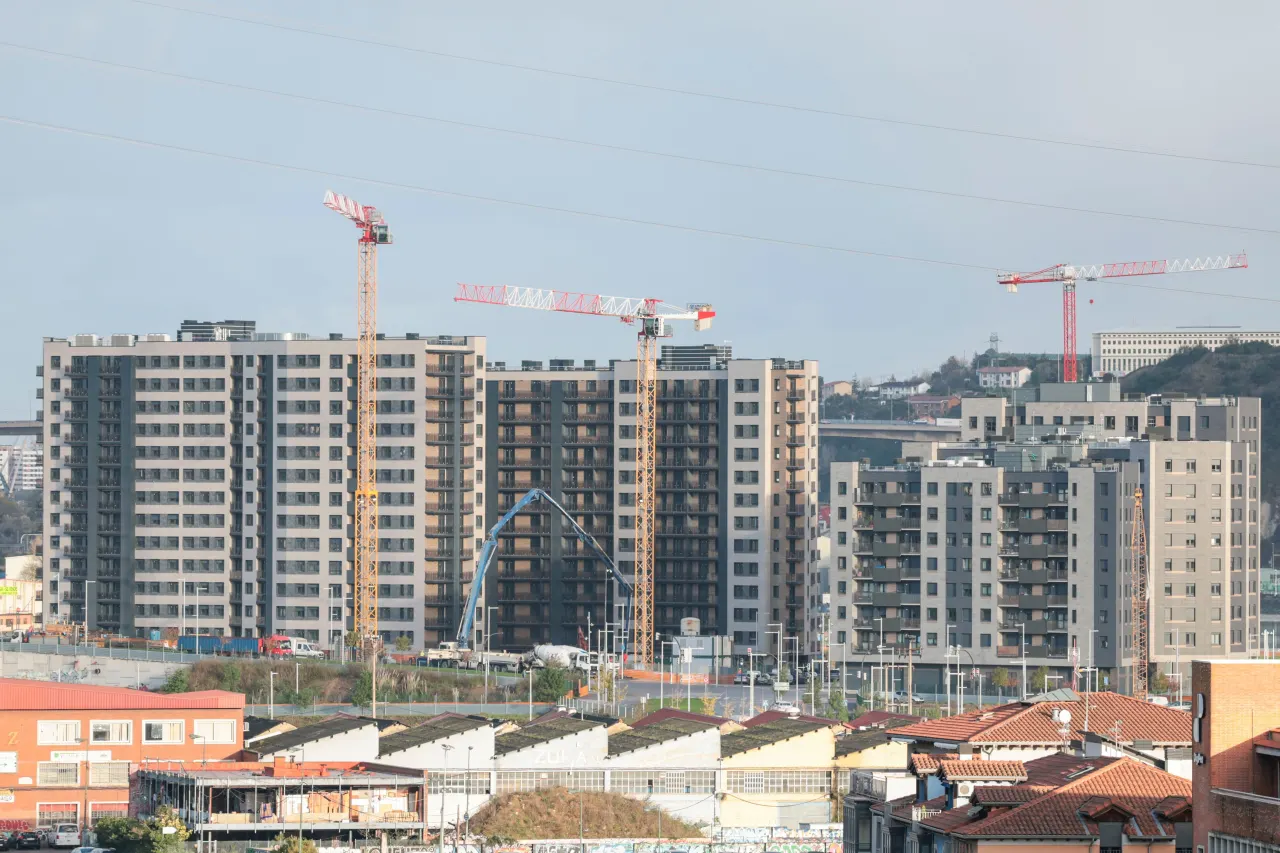
A study of more than 80 elections across 14 established Western democracies finds that owning or renting a home has become the strongest demographic predictor of support for the centre-right or radical left, outweighing factors such as income, education and occupation. The findings suggest housing tenure is increasingly connected to political choices, as rising prices and changes in rental markets make people’s housing circumstances more consequential.
In Spain, homeowners with otherwise similar characteristics were estimated to have a 42% chance of voting centre-right, compared with 28% for renters; renters were nearly twice as likely to back the radical left, at 10.6% versus 5.9%. Differences are sharper by property wealth: across five countries, owners of the most expensive homes had a 44% chance of supporting the centre-right, compared with 18% among social housing residents. Across all 14 countries, the measured link between housing and voting rose from 0.16 in 1985–94 to 0.20 from 2015 onwards.
In short
- Homeownership is now a stronger voting predictor than occupation.
- Spanish homeowners are more likely to vote centre-right than renters.
- Housing’s link to voting has strengthened since the 1980s.
Steelman: both sides, in good faith
The strongest fair case each way — we don't pick a winner.
The case for
Advocates of the view that housing tenure should shape political priorities argue that for many people a home is the largest asset they will ever hold, and that its value, cost and security affect financial wellbeing far more directly than many other demographic traits. Homeowners often have a stake in property values, local planning and interest rates, while renters may face insecurity, rising rents and limited control over their homes, so it is reasonable for each group to favour parties whose policies address those interests. From this perspective, voting along tenure lines reflects rational self-interest and a legitimate concern for stability, opportunity and the wealth of future generations.
The case against
Critics of a tenure-based reading contend that political choices should rest on broader considerations such as the common good, fairness between generations and the wider economy, rather than on a narrow property interest. They point out that policies which protect existing owners can make housing less affordable for newcomers, and that a politics organised around homeownership risks entrenching inequality between those who already have property and those who do not. From this standpoint, the growing connection between housing and voting is a concern in itself, because it may signal that people increasingly see politics as a contest over asset prices rather than a shared effort to build a fair and functioning society.