News, events and chat from Sheffield and South Yorkshire.
Dog fouling fines swell council coffers by £5k
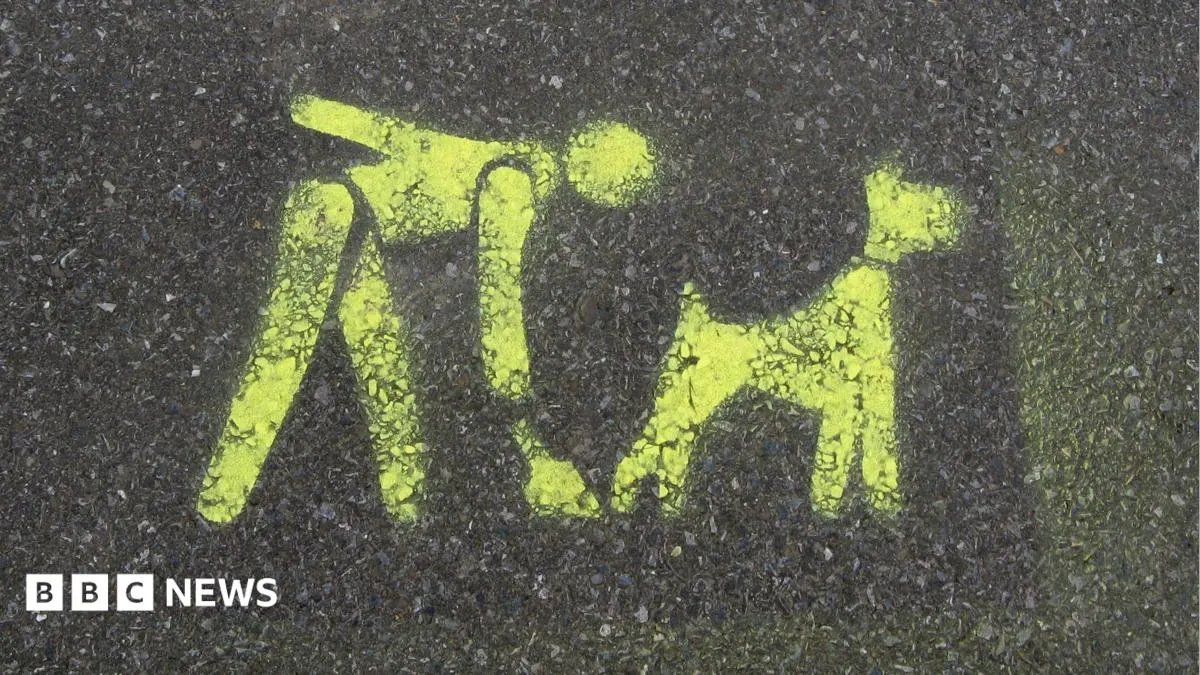
Dog owners in Doncaster have paid £5,000 in fines for failing to clear up after their pets over the past five years, according to a Freedom of Information request. The figures show how the council is enforcing rules intended to address a problem residents say affects neighbourhoods and outdoor spaces.
The council issued £1,600 in penalties in 2024, the highest annual figure cited. Its usual fixed penalty is £100, which can increase by up to £1,000 if unpaid; 12 people have been taken to court over unpaid fines since 2021. No one received the maximum £1,100 penalty during the period.
In short
- Doncaster collected £5,000 in dog fouling fines over five years.
- £1,600 of that total came in 2024.
- Twelve people faced court over unpaid fines.
Steelman: both sides, in good faith
The strongest fair case each way — we don't pick a winner.
The case for
Enforcing fines can help keep pavements, parks and other shared spaces clean, reducing an unpleasant problem for residents and protecting public use of those areas. A clear penalty may also encourage owners to take responsibility and deter repeat offences, while court action gives the council a way to pursue unpaid fines.
The case against
Fines can be a blunt response if they fall hardest on people who cannot readily pay, and escalating penalties may seem disproportionate for an offence that causes no lasting harm. Critics may favour more bins, clearer signs and better public education, arguing these measures address the problem while avoiding reliance on punishment and enforcement revenue.
Explained simply
Doncaster Council can fine dog owners who fail to clear up after their pets. The rules apply in public places and are intended to help keep streets, parks and other shared spaces clean.
The council enforces the rules by issuing fixed penalties. If a fine is not paid, the owner may face a higher amount or court action. Residents’ concerns about dog mess are part of the wider debate over how councils manage public spaces and enforce local rules.