DOJ gives California 48 hours to review list of possible noncitizens on voter rolls
The Justice Department has given California 48 hours to check whether people it suspects are noncitizens were sent ballots for the 3 November election, warning it may seek emergency court action if the state does not respond. The demand has intensified a dispute over federal access to voter information and the reliability of the data used to identify potentially ineligible voters.
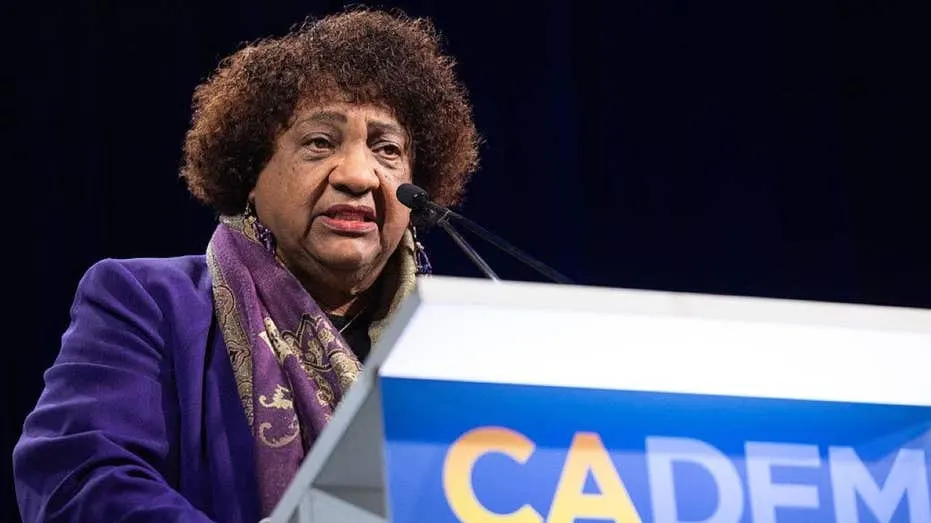
The department sent Los Angeles County officials a list of names and notified Secretary of State Shirley Weber on Tuesday. Weber said California had received no evidence supporting earlier federal claims about noncitizens on its voter rolls, and argued the latest demand lacked evidence and legal authority. The dispute follows a Supreme Court order allowing states, for now, to use the federal SAVE system to check voter eligibility, after a judge had blocked its use over privacy and mistaken-removal concerns.
- DOJ gave California 48 hours to check a list of suspected noncitizens.
- The state says federal officials have not provided evidence for their claims.
- A Supreme Court order allows states, for now, to use the SAVE system.
New here? Start with this
California runs its own voter registration system, while the federal government can ask states to check records against national databases. US citizens can vote in federal elections; noncitizens cannot, though they may be registered by mistake. Checking records can be difficult because databases may be incomplete or contain errors.
The Justice Department is led by the US attorney general and enforces federal laws. California’s secretary of state, Shirley Weber, oversees elections statewide, while Los Angeles County manages local election administration. The federal SAVE system is a database used to check immigration status, and its use for voter eligibility has been the subject of a court dispute over access, privacy and possible errors.
Both sides, in good faith
The strongest fair case each way — we don't pick a winner.
The case for
Federal officials can argue that election rules should be enforced consistently and that credible indications of ineligible registrations warrant prompt checks before ballots are counted. They may say access to relevant records is needed to assess whether ballots were sent improperly, and that a short deadline is justified by the approaching election and the possibility of seeking court review.
The case against
California officials can argue that voter information is sensitive and that the state should not be compelled to act on an unsubstantiated list under an exceptionally short deadline. They may also contend that unreliable matching data could wrongly put eligible voters at risk, and that federal access or intervention must have a clear legal basis and appropriate safeguards.