DOJ seeks to prosecute Comey over alleged national defense disclosure
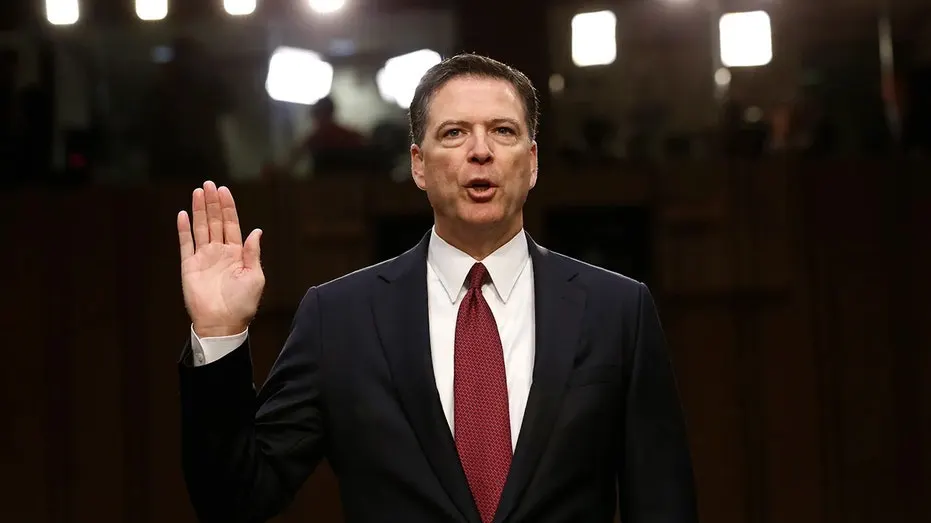
The Justice Department has filed a two-count criminal information accusing former FBI Director James Comey of unlawfully disclosing national defence information and conspiring with others to do so. Prosecutors say the filing preserves the allegations before the statute of limitations expires while their investigation continues; it does not resolve whether Comey is guilty.
The alleged disclosure took place on or about 5 October 2016 and involved information given to someone prosecutors say was not authorised to receive it. Comey denies wrongdoing and says he will contest the case in court. This is the third prosecution attempt against him under President Donald Trump: an earlier case alleging he lied to Congress was dismissed, while a separate case over a social media post remains pending.
In short
- DOJ filed two counts against James Comey over an alleged 2016 disclosure.
- The filing preserves the allegations as prosecutors continue investigating.
- Comey denies wrongdoing and says he will fight the case.
Steelman: both sides, in good faith
The strongest fair case each way — we don't pick a winner.
The case for
Supporters of the prosecution can argue that alleged unauthorised disclosure of national defence information is serious and should be investigated regardless of a person’s former office. Filing charges before the limitation period expires preserves the possibility of a court examining the evidence, while the presumption of innocence and trial process protect against treating accusation as proof.
The case against
Critics can argue that the filing, made while the investigation continues, risks putting the force of criminal process behind allegations that have not yet been tested in court. Given the earlier dismissed case and another pending prosecution, they may also see reason to scrutinise whether repeated attempts to prosecute a prominent political opponent are being pursued consistently and independently.
Explained simply
James Comey led the FBI, the US federal agency that investigates crimes and gathers intelligence, from 2013 until 2017. The Justice Department brings federal criminal cases, while the FBI is part of that department; allegations made by prosecutors must be tested in court.
The case concerns information prosecutors say related to national defence and was shared with someone not authorised to receive it. Comey denies wrongdoing, and the court process will determine whether the charges are proved. The dispute matters because it involves the handling of sensitive government information and the prosecution of a former head of the FBI.