DOJ set to appeal ruling in Alaska Senate race dispute over ‘Decoy Dan’
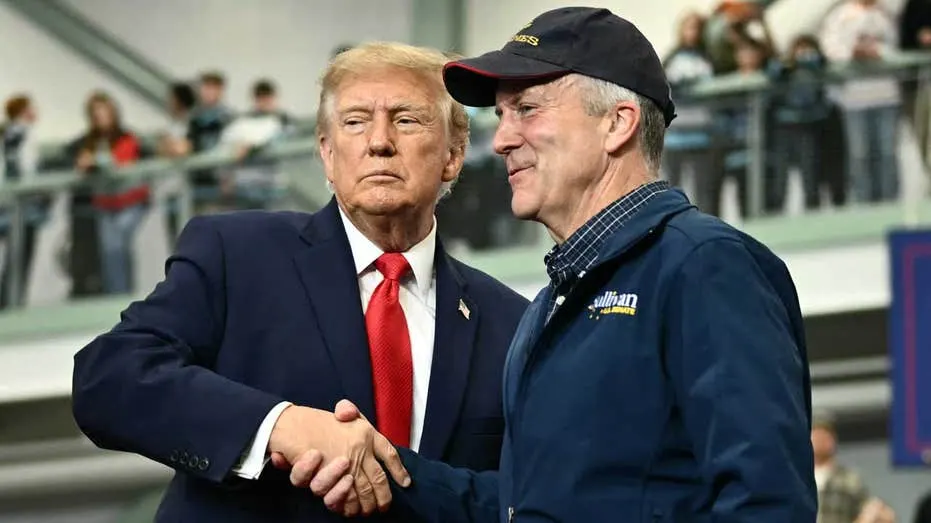
A federal judge has dismissed the Justice Department’s bid to delay certification of Alaska’s Senate election over the candidacy of Daniel J. Sullivan Jr., whose name resembles incumbent Republican Dan S. Sullivan’s. The DOJ says it will appeal, arguing the case concerns possible voter confusion; the dispute matters because the closely watched race could affect control of the Senate.
Judge Sharon Gleason said the government had not shown how an investigation could establish voters’ intentions while preserving ballot secrecy, and that the requested measures would intrude on Alaska’s role in running elections. The case is going to the 9th US Circuit Court of Appeals. Reports said people linked to Democrat Mary Peltola’s campaign helped recruit Sullivan Jr. as a spoiler, an allegation Peltola and Sullivan Jr. deny; Alaska uses ranked-choice voting if no candidate wins a first-round majority.
In short
- Judge rejects DOJ request to delay Alaska Senate election certification.
- The Justice Department says it will appeal to the 9th Circuit.
- The dispute centres on two candidates with similar names.
Steelman: both sides, in good faith
The strongest fair case each way — we don't pick a winner.
The case for
The DOJ can argue that election rules should protect voters from material confusion, especially where two candidates have very similar names and the result could affect Senate control. An appeal could clarify whether federal courts may investigate credible claims of deliberate candidate recruitment or voter confusion while still respecting ballot secrecy.
The case against
The judge’s ruling can be defended on the grounds that the government did not show how it could determine voters’ intentions without compromising secret ballots. Alaska also has a strong interest in administering its own elections, and delaying certification on an uncertain basis could undermine the orderly counting of votes.
Explained simply
Alaska elects two US senators, who represent the state in Congress. The Senate is closely divided, so the result of a single race can affect which party has more power there.
The candidates at the centre of the dispute are Republican Dan S. Sullivan, the incumbent senator, and Daniel J. Sullivan Jr., whose similar name has led to questions about whether voters could confuse them. Alaska uses ranked-choice voting: if no candidate wins more than half the first-choice votes, voters’ later preferences are used to determine the winner.
Elections Government Politics World