Trump’s AI renaming push faces limits beyond federal agencies
Developing story first seen 3 hours ago
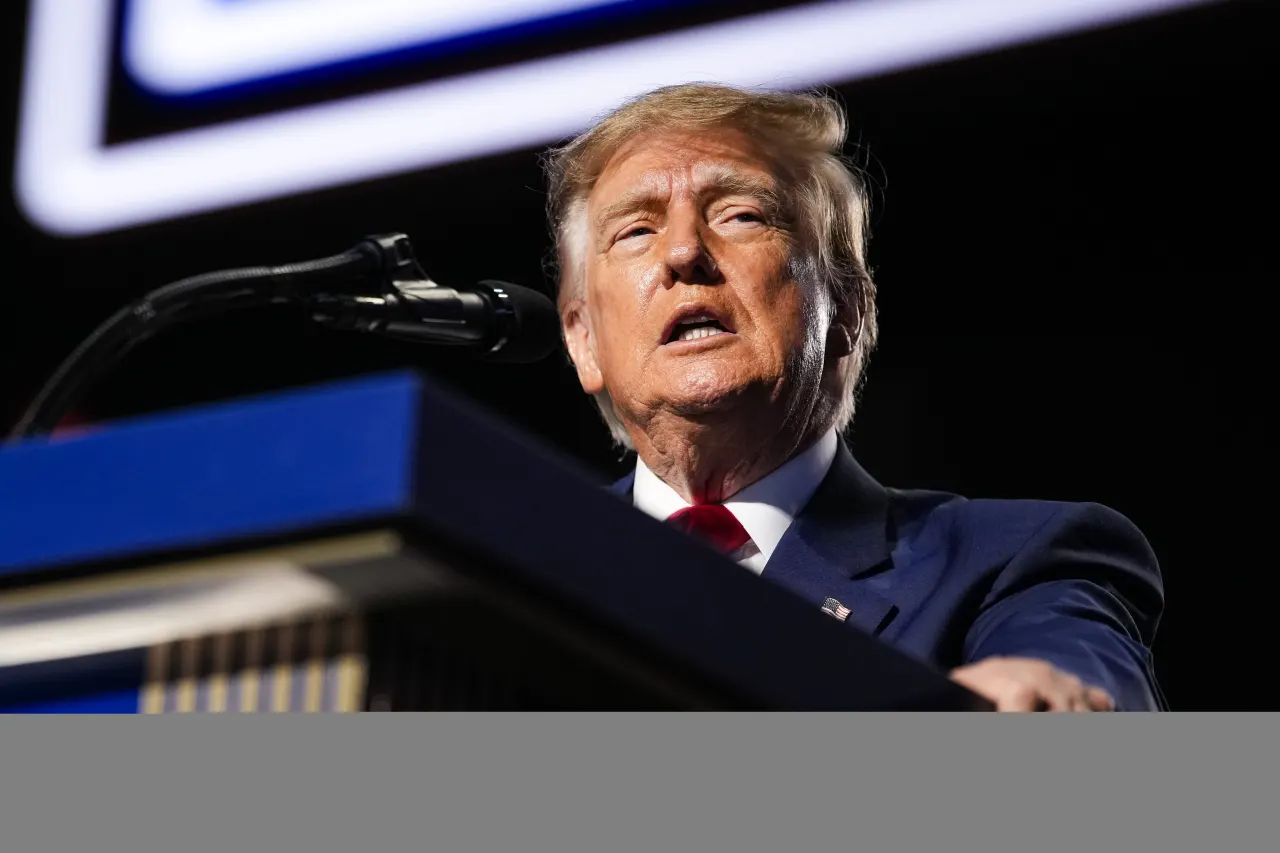
New coverage highlights the limits of Donald Trump’s effort to rename artificial intelligence: although he says the term will be banned in relevant documents and elsewhere, his administration has directed federal agencies to use “super intelligence”, and his ability to dictate wider public usage is limited. The established term has been used for decades, while public concern about AI and data centres is significant.
Trump made the pledge in a Truth Social post, following a 29 September executive order directing federal agencies to adopt “super intelligence”; Nvidia chief Jensen Huang is among the technology figures who have used the phrase. Media outlets continue to call it AI. A previous White House effort to pressure the Associated Press to use “Gulf of America” instead of “Gulf of Mexico” led to a lawsuit, with a judge ruling the policy likely violated the First Amendment; the decision is being appealed.
- Sources
- 3
- Outlets
- 3
- Left · Centre · Right
- 0 · 0 · 1
In short
- Trump says official documents should stop using “artificial intelligence”.
- His preferred term is “super intelligence”.
- A similar White House language dispute is under appeal.
How this story developed
- 1 hour ago Trump reiterated the proposed ban in a Truth Social post, while reporting added that Nvidia chief Jensen Huang had adopted “super intelligence” and that a court had found the White House’s similar pressure on the Associated Press over “Gulf of Mexico” likely violated the First Amendment; the ruling is under appeal.
- 1 hour ago Coverage noted that Donald Trump wanted federal documents and other relevant material to replace the long-established term “artificial intelligence” with “super intelligence”, but his reach over public language was limited amid concern about AI and data centres.
Steelman: both sides, in good faith
The strongest fair case each way — we don't pick a winner.
The case for
Supporters could argue that the federal government may choose clear, consistent terminology in its own documents, and that “super intelligence” better conveys the technology’s potential capabilities than a broad, familiar label. A common term across agencies could help communicate policy priorities and encourage public attention to the technology’s opportunities and risks.
The case against
Critics could argue that “artificial intelligence” is an established, widely understood term, while imposing a replacement risks confusing public communication and making official language appear politically directed. They may also contend that government control over its own documents does not justify pressure on independent media or the public to adopt the preferred wording, particularly given the First Amendment concerns raised in the earlier dispute.
Explained simply
Artificial intelligence, or AI, is the long-established name for computer systems that can perform tasks such as generating text or analysing information. Governments, businesses and the public use the term, and debate about AI includes questions about privacy, jobs and the energy demands of data centres.
Donald Trump’s administration can set language for federal agencies through official orders, but it has less control over how the media, companies and the public speak. The Associated Press’s dispute with the White House over the name “Gulf of America” raised questions about the government’s ability to pressure independent news organisations to change their wording.
Coverage · 3 sources
AI Art Culture Government Politics Technology
Read the full article at the source →
Originally published by Deadline as “Donald Trump Says He’ll Ban The Use Of The Term “Artificial Intelligence” In “All Relevant Documents” And “Everything Else””.