Britain’s clocks return to GMT, giving millions an extra hour in bed
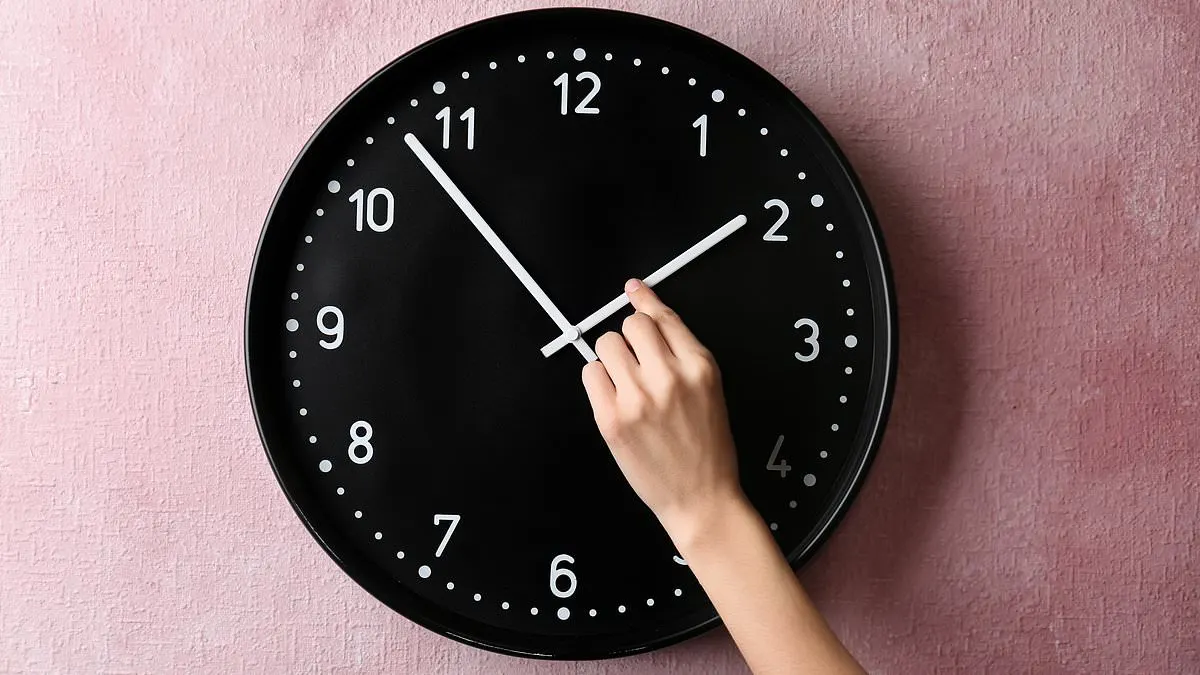
Millions of people in Britain will gain an extra hour in bed as clocks go back at 2am on Sunday, marking the end of British Summer Time and the return to Greenwich Mean Time. The seasonal change is intended to make better use of daylight, but critics say it disrupts sleep and body clocks, and there have been calls to end it.
The idea was promoted by William Willett in 1907, but Parliament rejected proposals five times before wartime fuel-saving concerns helped bring in the Summer Time Act in 1916. Britain first advanced clocks that May and put them back in October; they are due to move forward again on 28 March 2027. Internet-connected devices should update automatically.
In short
- Clocks go back one hour at 2am on Sunday.
- Britain returns from BST to GMT.
- The seasonal clock change dates back to 1916.
Steelman: both sides, in good faith
The strongest fair case each way — we don't pick a winner.
The case for
Seasonal clock changes shift more daylight towards the evening in summer, which can make it easier for people to enjoy outdoor activities after work and may reduce the need for artificial lighting. Keeping the change also preserves a familiar system that Britain has used for generations and avoids choosing one fixed time that would leave either darker summer evenings or darker winter mornings.
The case against
Changing the clocks can disrupt sleep and body rhythms, with the adjustment particularly difficult for some people. Critics argue that a stable time throughout the year would avoid that twice-yearly disruption and make schedules more consistent, even if the chosen time meant accepting less daylight at some point in the day.
Read the full article at the source →
Originally published by Daily Mail as “Don’t forget the clocks go back an hour at 2am tonight – offering people an extra hour in bed for a Sunday morning lie-in”.