Business news and discussion on TalkFuse.
North Carolina cat café owner challenges influencer’s account with CCTV footage
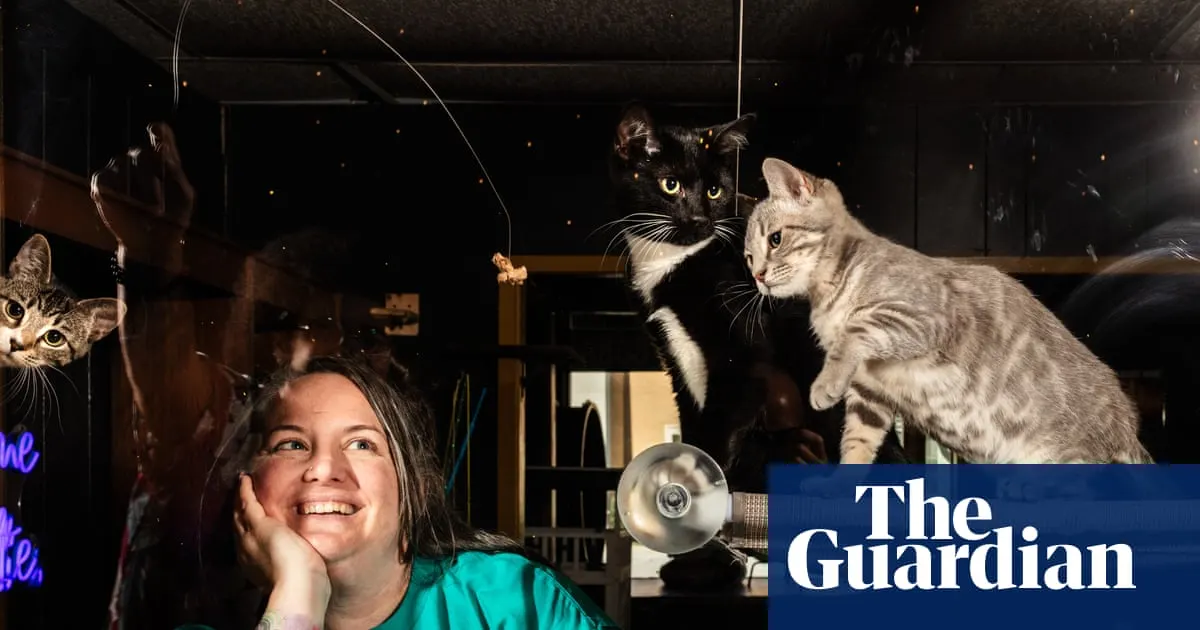
A North Carolina cat café owner publicly challenged an influencer’s account of being turned away, using CCTV footage that appeared to contradict claims of a distressed child and dismissive staff. The episode shows how small businesses are pushing back against creators whose large audiences can amplify complaints and threaten reputations.
Nicole Flanagin said the café restricts young children’s access to the cats to scheduled sessions, helping protect foster animals. Her TikTok response drew more than 640,000 views; the influencer deleted her review and apologised, saying she posted while upset without considering the consequences.
In short
- A café owner used CCTV to dispute an influencer’s account.
- The response attracted more than 640,000 views.
- The influencer removed her review and apologised.
Steelman: both sides, in good faith
The strongest fair case each way — we don't pick a winner.
The case for
The owner had a reasonable interest in correcting a widely viewed account that could harm the café’s reputation, especially if CCTV showed important details had been misrepresented. Rules limiting children’s access to foster cats can also protect the animals and make visits safer and more predictable for customers.
The case against
A public rebuttal using CCTV can expose or embarrass customers, and a short clip may not capture the full interaction or explain why someone felt dismissed. Influencers should be able to share genuine complaints, while businesses should respond proportionately and take care not to turn a dispute into a pile-on.
Explained simply
Cat cafés combine a café with space to meet cats, and some work with animal shelters to care for cats waiting to be adopted. Because unfamiliar visitors and handling can unsettle animals, cafés may set rules about when children can be near them.
Influencers can reach large audiences through social media, so a public complaint about a small business can quickly affect how people see it. Businesses may respond online with their own account or evidence, turning a private disagreement into a widely watched exchange.
Read the full article at the source →
Originally published by The Guardian as “‘Don’t lie to me to get free stuff’: how small businesses are fighting back against influencers”.