World news and discussion on TalkFuse.
Double Fine lays off a third of workforce after Microsoft split
Developed over time first seen 4 months ago
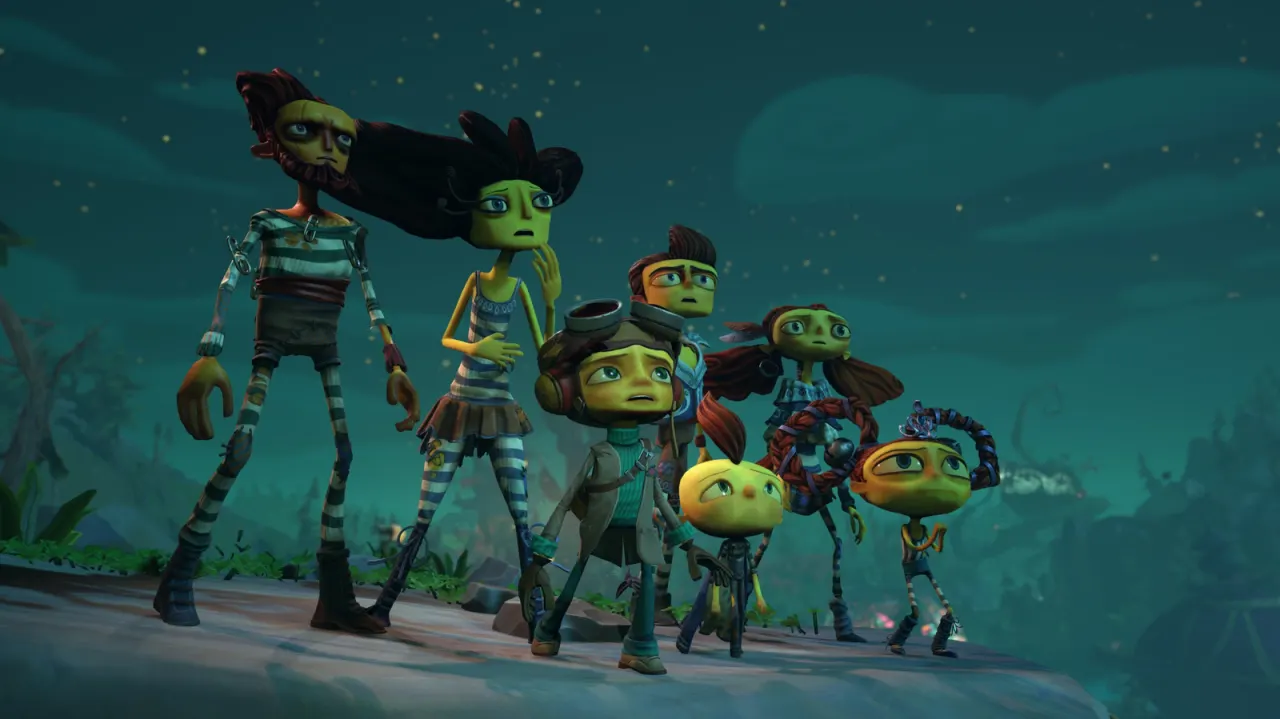
Double Fine, the studio behind Psychonauts and Brütal Legend, has laid off around a third of its staff, weeks after regaining independence from Xbox. Founder Tim Schafer confirmed the redundancies, framing them as a necessary step to secure the studio's future now that it no longer has the financial backing of a major publisher. The episode highlights the sharp challenges facing even well-established, critically acclaimed studios once they step outside the shelter of corporate ownership.
The cuts came roughly three weeks after Microsoft ended its ownership of Double Fine, returning the studio to independent status. Schafer portrayed the layoffs as essential for long-term viability rather than a sign of imminent collapse, but the scale and timing underlined how quickly financial pressures can mount for developers adjusting to life without a parent company's resources.
- Sources
- 2
- Outlets
- 2
- Left · Centre · Right
- 0 · 0 · 0
In short
- Double Fine cut about a third of its staff
- Layoffs came weeks after split from Microsoft/Xbox
- Schafer says cuts secure studio's independent future
How this story developed
- 4 months ago Coverage continued to affirm that Schafer stands by the layoffs as a viability measure, with no change to the toll or timeline first disclosed, keeping the emphasis on how exposed even acclaimed studios become once publisher backing disappears.
- 4 months ago Schafer's explanation was echoed in further reporting, which reiterated that the cuts fell about three weeks after Xbox relinquished control and framed the move as a deliberate step to secure the studio's independent future rather than a sign it was on the brink.
- 4 months ago Double Fine has cut roughly a third of its staff, with Tim Schafer citing the need to shore up the studio's finances after Microsoft ended its ownership of the company weeks earlier.
Steelman: both sides, in good faith
The strongest fair case each way — we don't pick a winner.
The case for
Independent studios operate under fundamentally different financial constraints than those backed by major publishers, and Double Fine's redundancies represent a necessary adjustment to these new realities. Tim Schafer's assessment that the layoffs are essential for the studio's long-term viability reflects sound business reasoning: without Microsoft's resources, the studio must recalibrate its workforce to match sustainable revenue. This is admittedly a difficult decision, but it represents responsible management ensuring the studio survives as an independent entity rather than facing financial collapse.
The case against
The timing and scale of the layoffs—approximately one-third of the workforce within weeks of independence—suggest inadequate preparation for the separation or a fundamental miscalculation about independence's viability. A properly managed transition from corporate ownership should have included sufficient financial runway to avoid such immediate and severe cuts. The fact that Double Fine required drastic redundancies so quickly after leaving Microsoft raises legitimate questions about whether independence was truly sustainable or merely a reactive decision, with workers bearing the costs of insufficient planning.
Explained simply
Double Fine is a video game development studio founded by Tim Schafer, known for critically praised titles such as Psychonauts and Brütal Legend. For years the studio operated as part of Xbox Game Studios, having been acquired by Microsoft in 2019, which gave it the financial backing and stability of a major publisher.
That arrangement recently ended, with Double Fine parting ways with Microsoft and returning to independent operation. Independence gives a studio more creative and business freedom, but it also means losing the steady funding and safety net that a large parent company like Microsoft can provide.
This context matters because it explains why a respected, long-running studio would suddenly need to make substantial job cuts: the shift from corporate ownership to self-sufficiency exposes studios to financial pressures that publishers previously absorbed. The situation is also being watched as a signal of the wider difficulties facing games studios trying to sustain themselves outside big corporate structures.
Coverage · 2 sources
Americas Entertainment Gadgets Gaming