Politics news and discussion on TalkFuse.
DOUG SCHOEN: The biggest winner and the biggest loser in the 2026 midterms
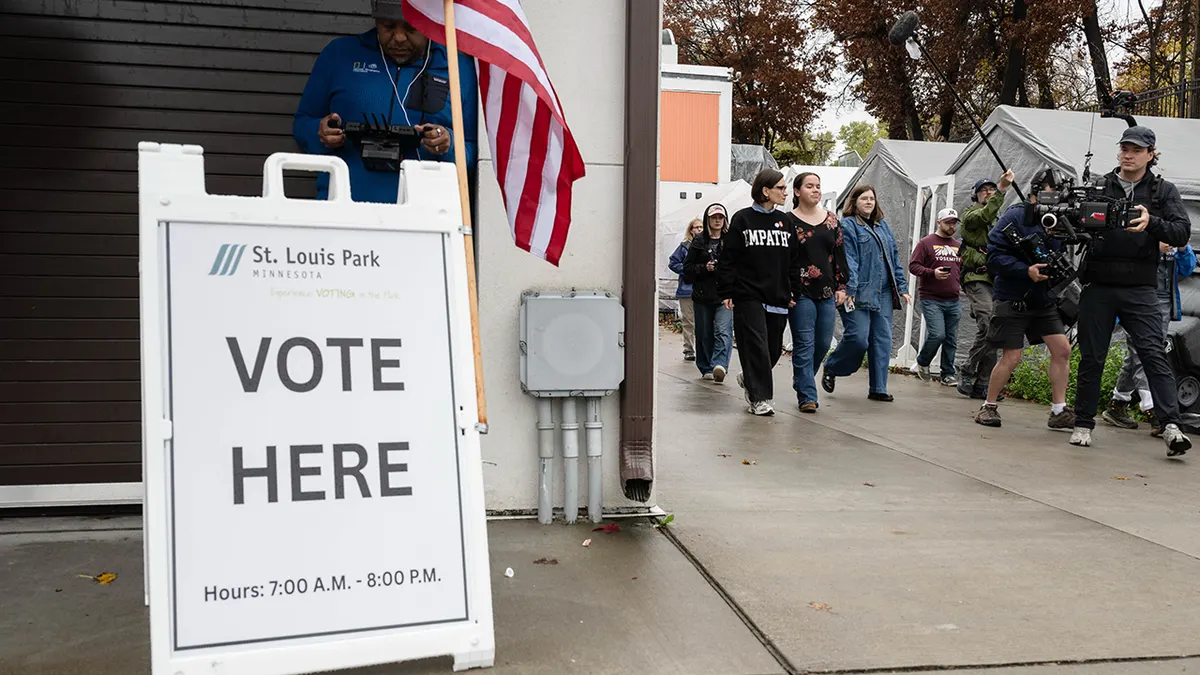
Democrats won decisive majorities in both chambers of Congress in the 2026 midterms, while President Donald Trump and the Republican Party suffered a major defeat. The article argues the result reflects voter dissatisfaction with the Iran war, high fuel costs and perceived unequal treatment by government, more than broad support for Democrats.
The author says Democrats face questions about whether their establishment and progressive wings can govern together, and warns they may rely on investigations instead of shared policy. He urges both parties to work constructively and address public concerns, arguing voters could punish Democrats in two years if they fail to deliver.
In short
- Democrats won majorities in both chambers.
- Trump and Republicans were the election’s biggest losers.
- Voters expect both parties to govern and deliver.
Steelman: both sides, in good faith
The strongest fair case each way — we don't pick a winner.
The case for
A decisive Democratic majority gives the party a mandate to respond to voters’ concerns about the Iran war, fuel costs and unequal treatment, and to show that it can govern effectively. Its establishment and progressive wings may be able to combine experience with reforms that address the reasons voters turned against the Republicans.
The case against
The result may reflect dissatisfaction with the administration more than broad support for Democrats, so the party should be cautious about treating it as a mandate for its full agenda. If its factions cannot agree on practical policies and rely chiefly on investigations, it risks failing to address voters’ concerns and losing their confidence at the next election.
Explained simply
The US Congress has two chambers: the House of Representatives, where seats are allocated by population, and the Senate, where each state has two senators. Midterm elections take place halfway through a president’s four-year term and decide who controls both chambers.
Control of Congress affects whether a president can pass laws and approve government spending. The Democratic Party includes both more centrist and more progressive politicians, whose priorities can differ; the Republican Party is the other major US party. Voters’ views on issues such as war, living costs and government policy can shape election results, while the party that wins faces pressure to show it can govern.
Elections Government Politics World