Dozens of House Democrats reject bill fusing congressional stock ban with federal voter ID
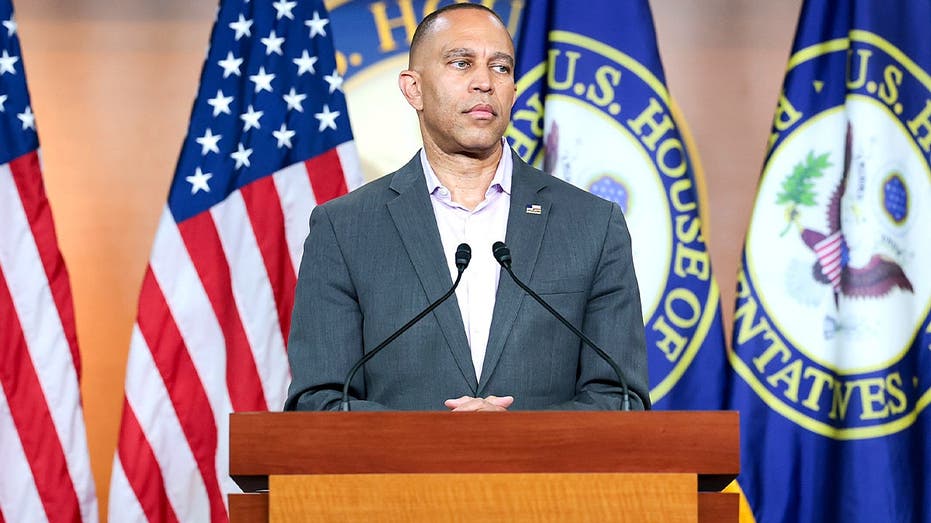
The US House of Representatives passed legislation combining a ban on lawmakers trading individual stocks with a federal voter ID requirement, a pairing that split House Democrats when the measure came to a vote on Wednesday. While the stock trading restriction has attracted bipartisan support in principle, tying it to voter identification rules proved contentious, prompting dozens of Democrats to vote against the combined bill despite backing the stock ban element on its own.
The vote highlighted deep divisions among Democrats over whether to accept Republican-favoured election integrity measures as the price for advancing ethics reform aimed at Congress. Voter ID requirements remain a politically charged issue, with Republicans generally supporting them as a safeguard against fraud and many Democrats opposing them over concerns about access to voting, meaning the bundled bill forced lawmakers to choose between two priorities they could not easily reconcile.
In short
- House passed bill combining stock trading ban with voter ID rules
- Dozens of Democrats rejected the bill despite supporting the stock ban
- Vote exposed Democratic splits over pairing ethics reform with voter ID
Steelman: both sides, in good faith
The strongest fair case each way — we don't pick a winner.
The case for
Combining these provisions represents a pragmatic compromise in which Republicans accept ethics reform of congressional stock trading in exchange for Democrats endorsing voter identification safeguards. Both measures have substantive policy support: stock trading restrictions address conflicts of interest whilst voter ID requirements protect against fraud. In a divided Congress, advancing important priorities from both sides through negotiated bundling is more realistic than expecting partisan agreement on controversial ethics reform in isolation.
The case against
Ethics reform should not be conditioned on voting restrictions, as these are fundamentally separate policy areas deserving independent consideration on their merits. Genuine concerns about voter access and potential suppression make voter ID requirements legitimately contentious, and bundling them with ethics reform forces Democrats to choose between advancing congressional accountability and protecting voting rights. This legislative approach prevents honest debate on whether each provision is justified by evidence rather than treating them as trading chips.
Explained simply
Members of the US Congress are permitted to buy and sell individual stocks whilst holding office, a practice some view as a conflict of interest. A proposed ban on congressional stock trading has attracted bipartisan support as an ethics measure to prevent lawmakers from exploiting their knowledge of potential regulations and policy changes.
Voter identification requirements have become a deeply divisive issue in American politics. Republicans generally support voter ID rules to prevent election fraud, whilst many Democrats oppose them on grounds that such requirements may prevent eligible voters from casting ballots.
Congress sometimes links different measures together in a single bill as a negotiating tactic. By combining the stock trading ban with voter ID requirements, the bill forced lawmakers to choose between supporting an ethics reform and accepting an election policy on which the two parties sharply disagree.
Art Business Culture Elections Government Markets Politics World