World news and discussion on TalkFuse.
Dr Fauci’s secret diaries told only half the story. Now White House insiders expose the REAL ‘media diva’… and the humiliating fame-obsessed antics he left out
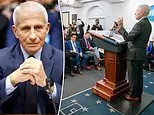
The Daily Mail reports that White House insiders have offered a fresh, less flattering account of Dr Anthony Fauci, the former US infectious disease chief, disputing the version presented in his own published diaries. The piece contends that Fauci's memoirs omitted embarrassing episodes revealing him to be a "media diva" preoccupied with his public image, adding to ongoing scrutiny of his conduct during his decades in government service, including the Covid-19 pandemic response.
According to the article, former colleagues and officials describe behaviour they say Fauci left out of his own account, focused on his pursuit of media attention and personal fame while serving in the White House. The report frames this as evidence that his self-authored record gave only a partial or self-serving picture of his time in public office, though the excerpt provided does not detail specific incidents or name the insiders making the claims.
In short
- Insiders dispute Dr Fauci's diaries, calling him a fame-seeking "media diva"
- Report claims his memoirs omitted embarrassing behind-the-scenes episodes
- Adds to wider scrutiny of Fauci's conduct during his government career
Steelman: both sides, in good faith
The strongest fair case each way — we don't pick a winner.
The case for
Dr Fauci exercised substantial influence during the pandemic, making accountability for his conduct crucial. If White House colleagues observed his behaviour prioritising personal image or media presence—factors potentially affecting decision-making—this deserves public examination. Memoirs notoriously sanitise their subjects; permitting power holders to present unchallenged self-portraits risks distorting public understanding of how policy decisions were made during a crisis when trust was essential. Accountability requires scrutiny of both decisions and character.
The case against
Vague accusations from anonymous sources about vanity lack the specificity required for fair accountability. Memoirs are inherently selective accounts; all authors choose what to include, and criticism based on claimed omissions of embarrassing moments is inherently subjective and unverifiable. If critics dispute Fauci's actual pandemic decisions or conduct, these should be debated publicly with evidence and named sources. Anonymous character attacks risk corrupting discourse and should not substitute for substantive, evidenced argument about decisions that actually mattered.
Explained simply
Dr Anthony Fauci served as director of the United States National Institute of Allergy and Infectious Diseases for nearly four decades. He became a highly visible public figure during the Covid-19 pandemic as he advised the White House on the government's disease response.
Fauci has recently published memoirs documenting his career in public health. These accounts have attracted scrutiny, with questions raised about whether they present a complete account of his conduct and decisions, particularly during the pandemic years.
Fauci remains a contested figure in discussions about the pandemic response and the role of public health officials. How he documents his own actions and decisions in his memoirs has become a subject of public debate and scrutiny.
Americas Health Medicine Offbeat Weird & Viral World