Dr. Oz addresses concerns about MMR vaccine after Trump calls shot ‘lethal’
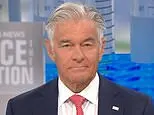
Dr Mehmet Oz, head of the US Centers for Medicare and Medicaid Services, publicly contradicted President Donald Trump's claim that the combined MMR vaccine could be "lethal", after being repeatedly pressed on CBS's Face the Nation. The exchange highlighted a rare instance of a senior administration health official correcting the president on record, and comes amid wider controversy over Trump's recent executive order calling for the measles, mumps and rubella vaccines to be split into separate shots.
Host Margaret Brennan questioned Oz three times before he gave a direct answer, stating unequivocally that "the MMR vaccine is not a lethal vaccine". Trump had claimed, without evidence, that the combined jab could be "quite lethal" while separate doses would not be, despite standalone versions not currently being available in the United States. The MMR vaccine has been in use for more than 40 years, with over 800 million doses administered across more than 75 countries since 2021. Oz instead sought to steer the discussion towards parents' ability to question vaccination requirements with their doctors.
- Dr Oz says MMR vaccine is "not lethal", contradicting Trump's claim
- Trump had suggested the combined shot could be "quite lethal"
- Separate MMR doses aren't currently available in the US
New here? Start with this
Dr Mehmet Oz runs the Centers for Medicare and Medicaid Services, the US government agency that oversees federal health insurance programmes, making him one of the country's senior health officials. President Donald Trump recently signed an executive order calling for the MMR vaccine, which protects against measles, mumps and rubella, to be given as three separate injections rather than one combined shot, and in doing so described the combined version as potentially "lethal". The MMR jab has been used safely worldwide for more than four decades, with hundreds of millions of doses given in recent years.
The story centres on an interview in which Oz was asked repeatedly whether he agreed with the president's description of the vaccine, on the American news programme Face the Nation. Such direct pushback from within an administration against a president's own public claims is unusual, which is part of what has drawn attention to the exchange.
This matters because childhood vaccination policy affects public health guidance followed by millions of families, and mixed messages from senior officials can shape how much confidence parents have in existing vaccines and vaccination schedules.
Both sides, in good faith
The strongest fair case each way — we don't pick a winner.
The case for
Advocates for splitting the MMR jab and voicing caution argue that parents deserve maximum choice and transparency when it comes to their children's health, and that public officials should take seriously the concerns of families who feel dismissed by the medical establishment. They contend that offering separate doses, as some other countries have done, allows for more flexibility without undermining overall vaccination rates, and that a president amplifying parental anxieties, however imprecisely worded, is engaging with a constituency that feels unheard rather than acting in bad faith.
The case against
Those defending the combined MMR vaccine and the administration's public correction argue that the shot has a four-decade safety record, with hundreds of millions of doses administered worldwide, and that consistent, evidence-based messaging from health officials is essential to prevent outbreaks of preventable diseases like measles. They hold that when senior officials such as Dr Oz clarify inaccurate claims on the record, this reflects a responsible commitment to public health over political loyalty, and that maintaining public trust in established immunisation science should take precedence over unproven alarm about splitting a vaccine that is not currently available in separate form.