DreamLab Films Boards Satirical Iranian TIFF Title ‘Head to Head’ In Which Male Cast Forced To Coverup + First Clip
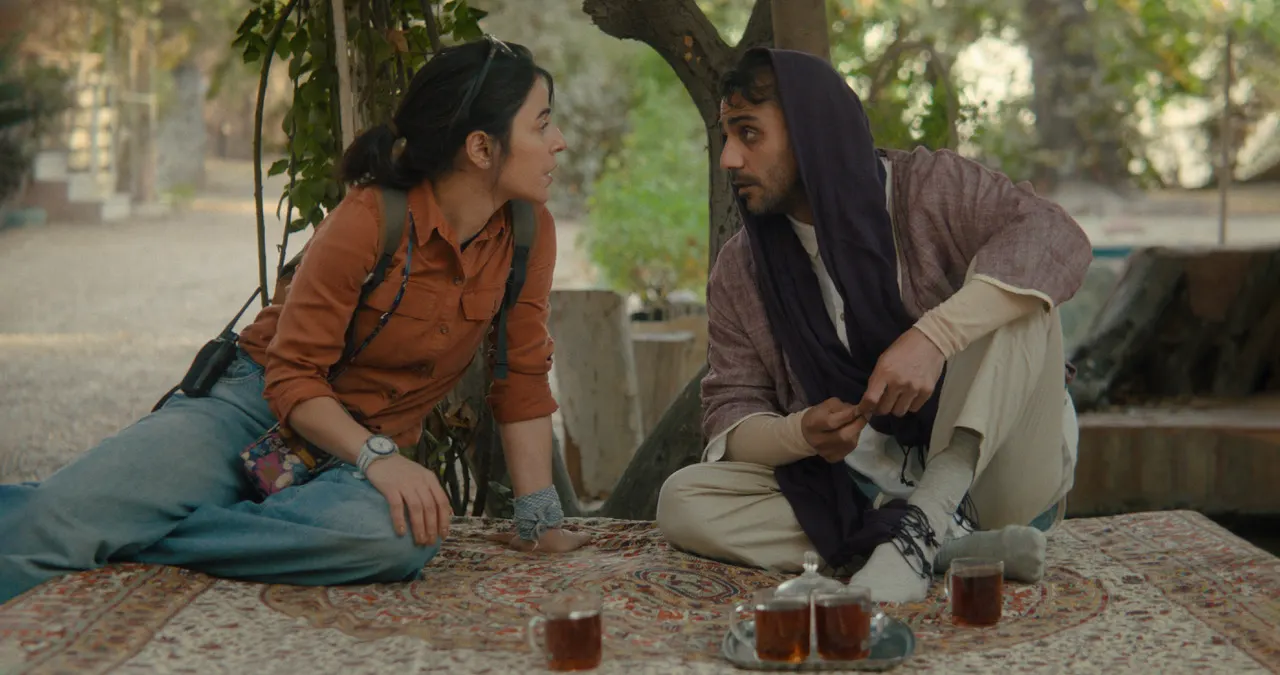
DreamLab Films has taken on international sales for "Head to Head" (Sar beh Sar), a satirical Iranian-German co-production ahead of its world premiere at the Toronto International Film Festival (TIFF). The film imagines a female director forcing her male cast to wear headscarves and skirts, mirroring the strict dress codes imposed on women in Iran, and marks writer-director Ghasideh Golmakani's feature debut following a series of internationally screened short films examining gender and power in Iranian society.
The story follows an acclaimed female writer-director who requires the men on her latest production to wear skirts and headscarves, prompting resistance and mounting tension as the male cast struggle with the restrictions. The cast includes Mehrnoosh Satari, Saeed Naderi, Ebrahim Azizi, Amir Hajimohammadi, Elaheh Farazmand and Lili Farhadpour, with Golmakani also writing and producing. Golmakani, who holds a Sorbonne PhD on Iranian women filmmakers, said the project reflects years of observing challenges faced by women in Iranian cinema and invites male colleagues to consider what women have endured to remain on screen. Paris-based DreamLab Films will handle worldwide sales and festival strategy.
- DreamLab Films sells satirical Iranian film "Head to Head" ahead of TIFF premiere
- Film flips Iran's dress codes, forcing male cast to wear headscarves
- Marks director Ghasideh Golmakani's feature debut after acclaimed shorts
Both sides, in good faith
The strongest fair case each way — we don't pick a winner.
The case for
Supporters see the film as a legitimate and pointed satirical device: by making men wear the headscarves and skirts Iranian women are legally compelled to wear, Golmakani forces an audience, including male colleagues, to viscerally feel restrictions they might otherwise only observe abstractly. Advocates would argue that role-reversal satire has a long, respected tradition for illuminating gendered power structures, that Golmakani's academic grounding and lived experience within Iranian cinema give her real authority to make this argument, and that provoking discomfort in men is precisely the point of a work meant to build empathy and spark honest conversation about a serious human rights issue.
The case against
Critics who value nuance in social commentary might worry that inverting a serious, state-enforced restriction into satire risks trivialising the real coercion, legal penalties and violence Iranian women face for non-compliance, reducing a grave issue to a premise that could read as gimmicky or played for discomfort rather than depth. They might also raise legitimate concerns about how the production itself treated its male cast, questioning whether requiring performers to undergo forced discomfort as a directorial exercise, even in service of empathy, sits well with fair on-set practice, and whether framing men's temporary inconvenience as illustrative of women's structural oppression somewhat flattens the asymmetry between a performance and a lived, inescapable reality.