Dreams of utopia and the 1972 hit that launched The Doobie Brothers: “I thought people would get along a lot better”
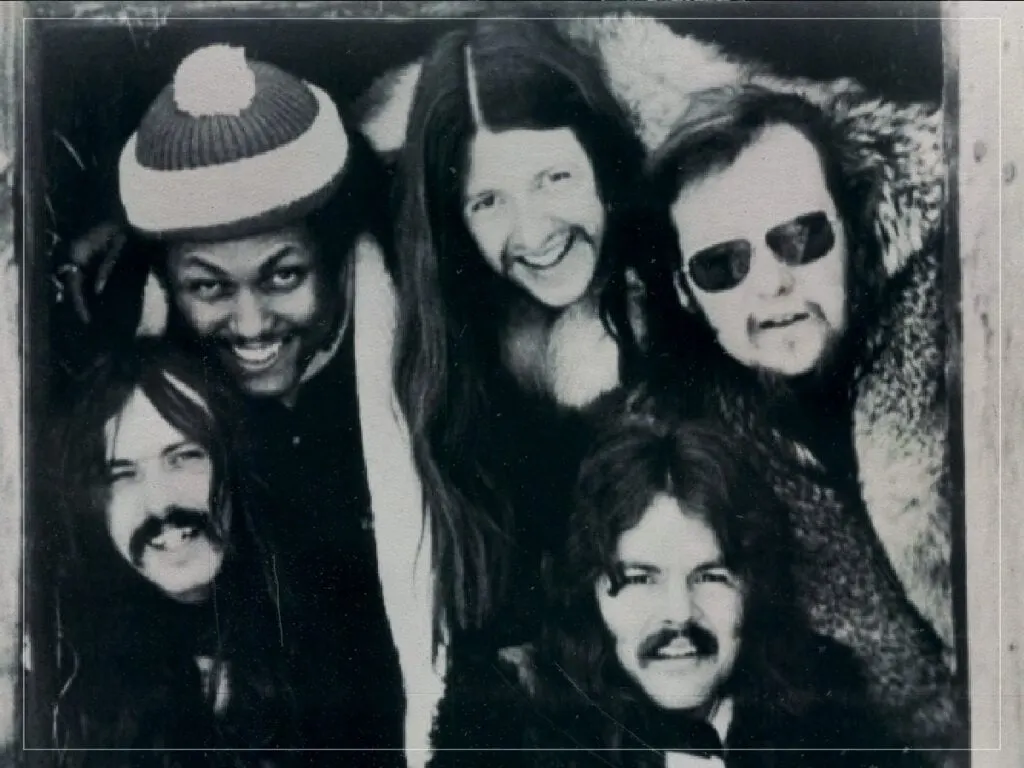
Tom Johnston drew on Alan Watts’ talks, opposition to the Vietnam War and campus protests when he wrote ‘Listen to the Music’, the Doobie Brothers’ first hit. The song proposed that music could help people find common ground, giving its upbeat sound a utopian message.
Released in July 1972 as the lead single from *Toulouse Street*, it reached number 11 on the US Billboard chart. Johnston said he knew immediately it could be a hit, and the band recorded it with producer Ted Templeman close to his original demo. In later reflections, he acknowledged that music could not simply make the world’s leaders get along, though he remained proud of the song.
- ‘Listen to the Music’ became the Doobie Brothers’ first hit.
- Tom Johnston drew on anti-war views and Alan Watts.
- The song reached number 11 in the US.
New here? Start with this
The Doobie Brothers are an American rock band formed in California in the early 1970s. Tom Johnston, one of the group’s founding members, wrote “Listen to the Music”, which became their first hit and helped bring the band to a wider audience.
Johnston was influenced by the Vietnam War protests and campus demonstrations of the era, as well as talks by philosopher Alan Watts. The song suggests that music might help people find common ground, reflecting a hopeful idea popular in a period of political conflict.
Released in 1972, the song reached number 11 on the US singles chart. Its message matters as an example of how popular music can express hopes for social harmony, even though Johnston later recognised that a song could not make political leaders agree.